10 Breathtaking Hikes in Caracas That Will Take Your Breath Away!
The Emerald Spine: A Love Letter to the Vertical Soul of Caracas
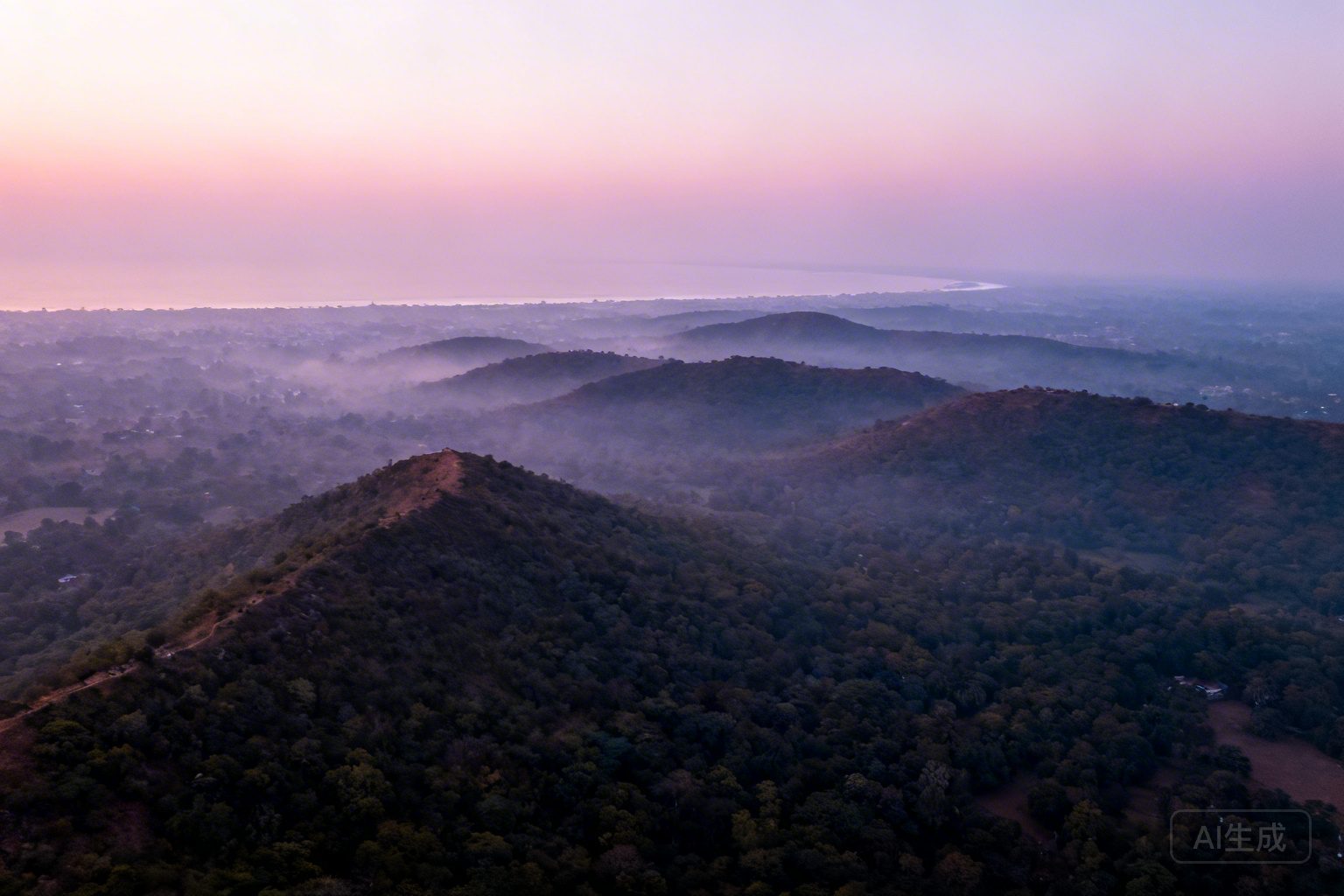
The dawn in Caracas does not arrive with a whisper; it breaks like a fever. At 5:30 AM, the valley is a bowl of bruised violets and charcoal shadows, smelling faintly of diesel exhaust and the burnt-sugar aroma of café con leche simmering in a thousand tiny tin pots. I am standing at the edge of Altamira, watching the mist cling to the thighs of the Avila—the mountain that does not merely border the city, but defines its very psyche. To the uninitiated, Caracas is a sprawling, chaotic tectonic plate of concrete and glass, a city that vibrates with the frantic energy of a thousand unmuffled motorbikes. But to those who know the ritual of the climb, the city is merely the foyer. The real Caracas lives up there, in the clouds, where the air turns thin and the noise of the megalopolis dissolves into the prehistoric silence of the cloud forest.
You cannot understand this city without understanding the verticality of its desire. Here, the mountains are not scenery; they are a sanctuary, a cathedral, and a gymnasium. To hike here is to participate in a collective, secular pilgrimage. We move from the smog-choked arteries of the valley floor to the oxygenated heights where the Caribbean Sea waits on the other side, a blue secret hidden behind a curtain of green.
1. Sabas Nieves: The Social Pulse of the Ascent
We begin where everyone begins. Sabas Nieves is the grand entryway, a wide, orange-dirt gash in the hillside that smells of pulverized sandstone and the sweat of five thousand weekend warriors. The texture of the path is treacherous—loose shale that skitters under your boots like spilled marbles. Here, the characters of the city are laid bare. I pass a “frantic office worker,” his expensive moisture-wicking shirt already darkened with salt, checking his smartwatch with a grimace that suggests he is racing against his own mortality. Behind him, a “brusque waiter” from a nearby tasca, still wearing his grease-stained trousers but moving with the effortless grace of a mountain goat, carries a gallon of water as if it weighed nothing.
The wind at the first lookout point, the Mirador, is a fickle thing—warm and smelling of dry grass, then suddenly cool as it catches a draft from the higher canyons. You stand there, chest heaving, looking down at the Parque del Este, which looks from this height like a child’s forgotten Lego set. The street vendors’ cries from the entrance below have faded to a rhythmic hum, a staccato “¡Agua, agua, agua!” that pulses like a heartbeat. This is the first breath the city allows you to take.