10 Extraordinary Macau Experiences You Won’t Believe Exist!
The Gilded Palimpsest: A Fever Dream in the Pearl River Delta
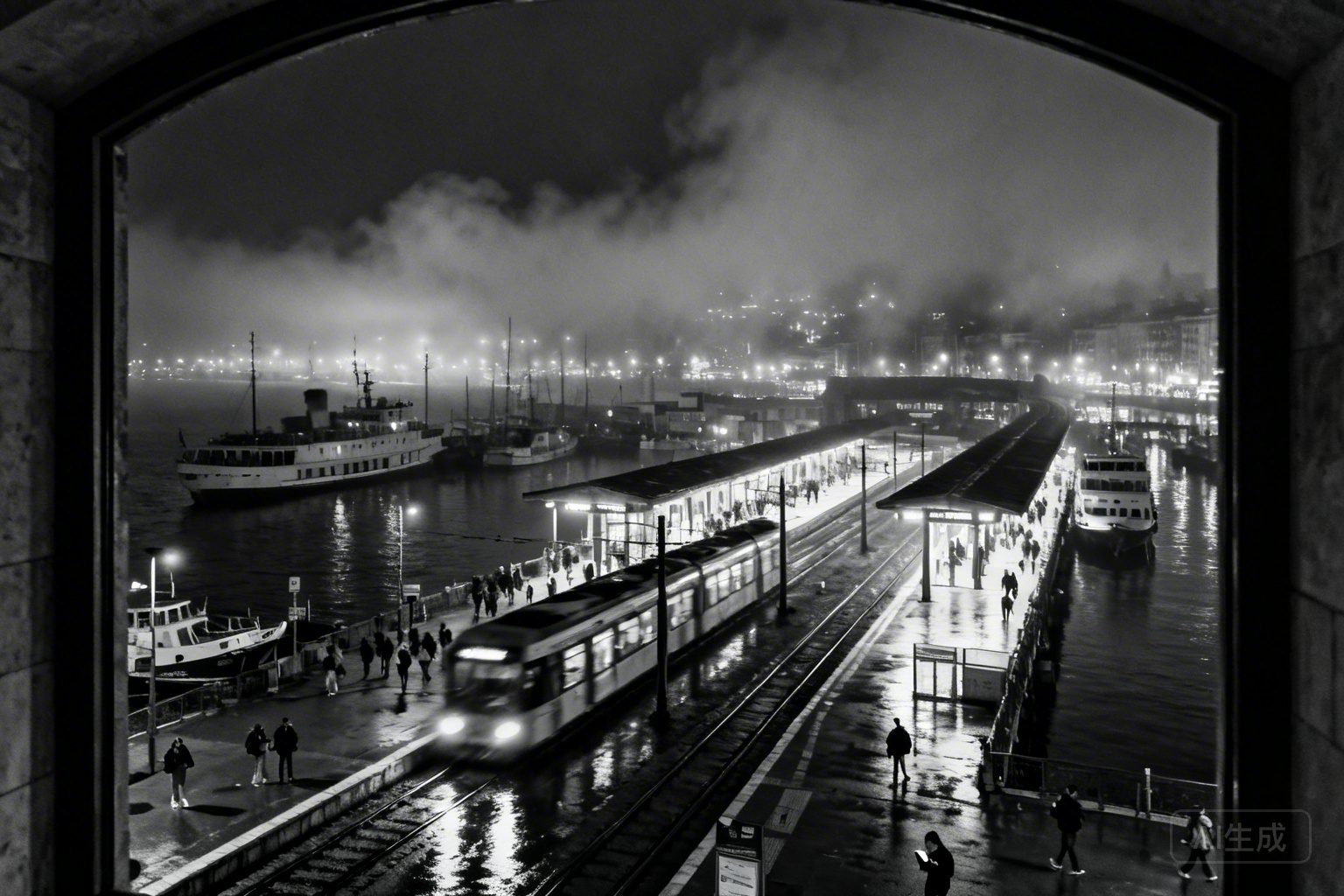
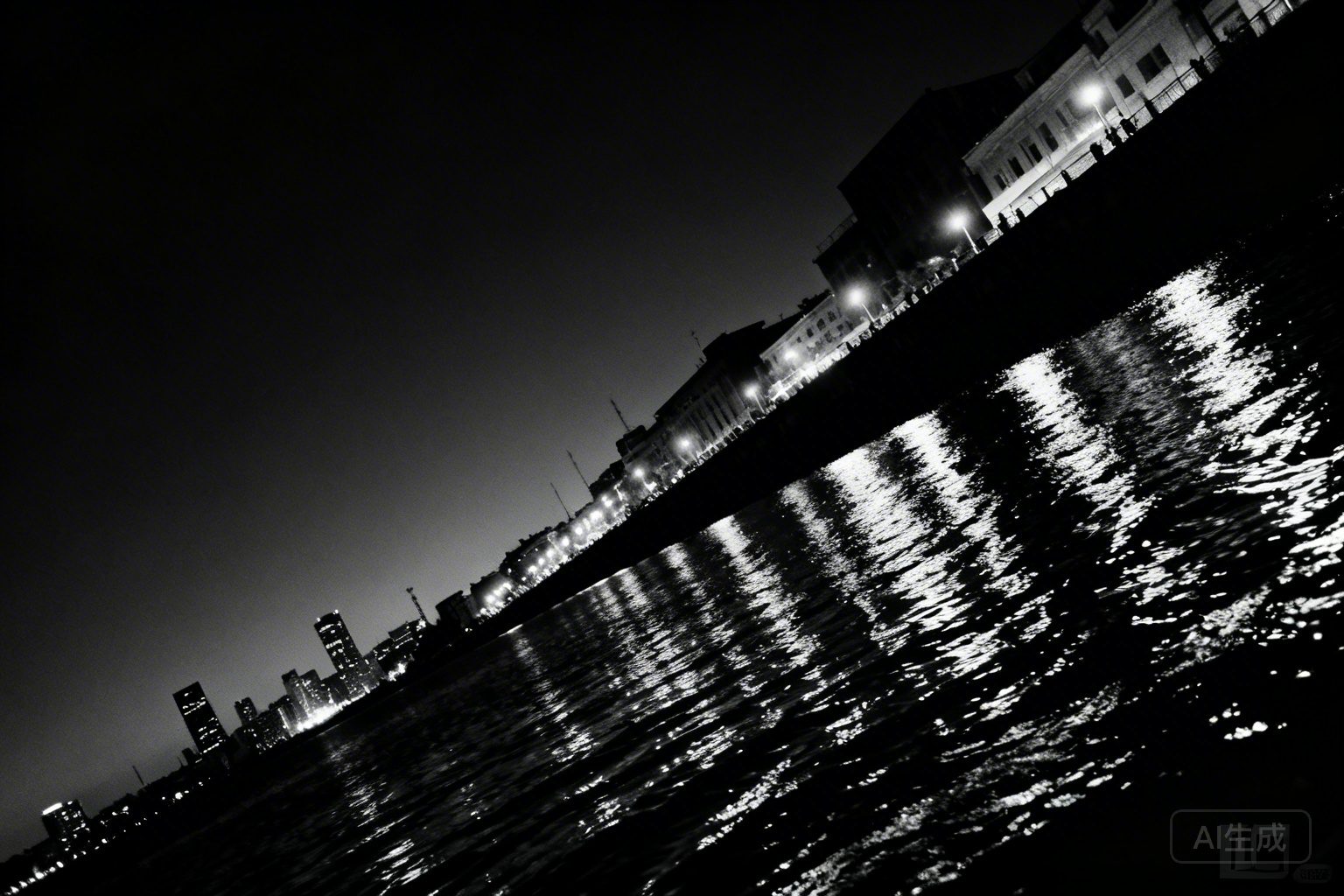
To enter Macau is to surrender the very concept of a linear timeline. It is a city that refuses to be just one thing, a jagged coastline where the scent of almond cookies collides with the sterile, ionized air of billion-dollar baccarat pits. The ferry from Hong Kong cuts through a turgid, tea-colored sea, and as the skyline rises—a jagged silhouette of gold-leafed lotuses and crumbling Mediterranean facades—you realize that you aren’t just arriving in a Special Administrative Region. You are entering a hallucination curated by four centuries of Portuguese sailors and five decades of casino moguls.
The air here is heavy, a humid wool that clings to your skin, carrying the metallic tang of the South China Sea and the faint, sweet ghost of incense burning in hidden alcoves. This is not the sterile neon of Las Vegas. This is something older, stranger, and infinitely more textured. It is a place where the 100-year-old door of a pawnshop boasts paint so thick and cracked it looks like topographical maps of forgotten continents, and where the street vendors cry out in a rhythmic, Cantonese staccato that sounds like dice rattling in a cup.
1. The Silent Liturgy of the Ruins of St. Paul’s at 4:00 AM
Most see the stone facade of the Cathedral of St. Paul’s as a backdrop for a selfie, a stone skeleton bleached white by the unforgiving midday sun. But to understand its soul, you must arrive when the city is suspended in that liminal space between the last gambler’s exit and the first baker’s arrival. At 4:00 AM, the granite carvings—Japanese chrysanthemums entwined with Portuguese caravels and Chinese lions—seem to vibrate with a suppressed energy.
The wind at this specific corner of the Santo António district is cooler, funneled through the narrow alleys of the Rua de São Paulo. It carries the smell of wet stone and charcoal. I watched a silent monk, his robes a faded saffron that looked grey in the moonlight, trace the outlines of the bronze statues with a finger that appeared as weathered as the metal itself. He didn’t pray; he simply witnessed the silence. Here, the Jesuit ambition of the 17th century remains a hollowed-out shell, a theatrical flat that guards nothing but the wind. It is a monument to the magnificent futility of trying to colonize the Chinese spirit.