10 Extraordinary Mexico City Experiences You Won’t Believe Exist!
The Gilded Labyrinth: Ten Days in the Heart of the Anáhuac
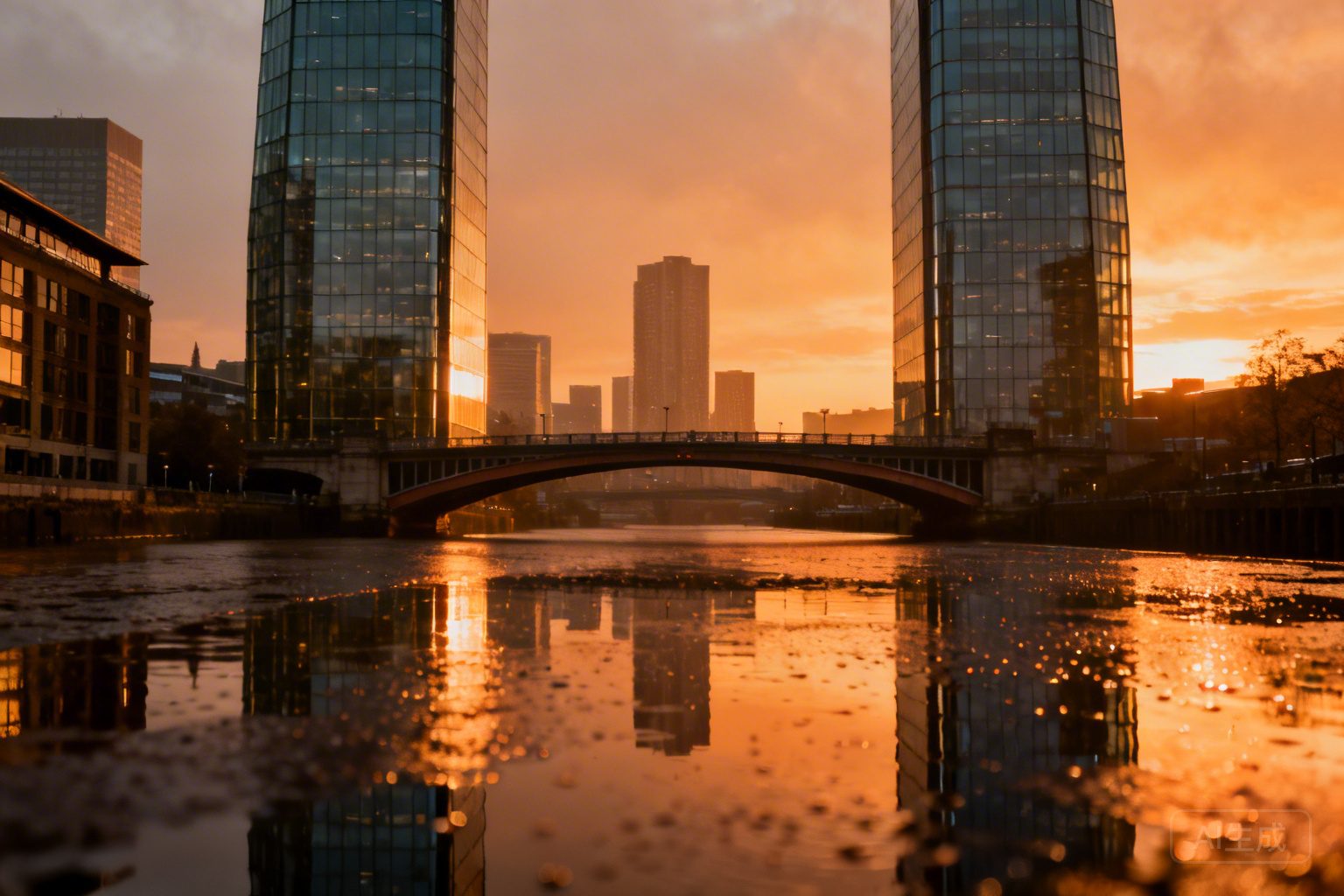
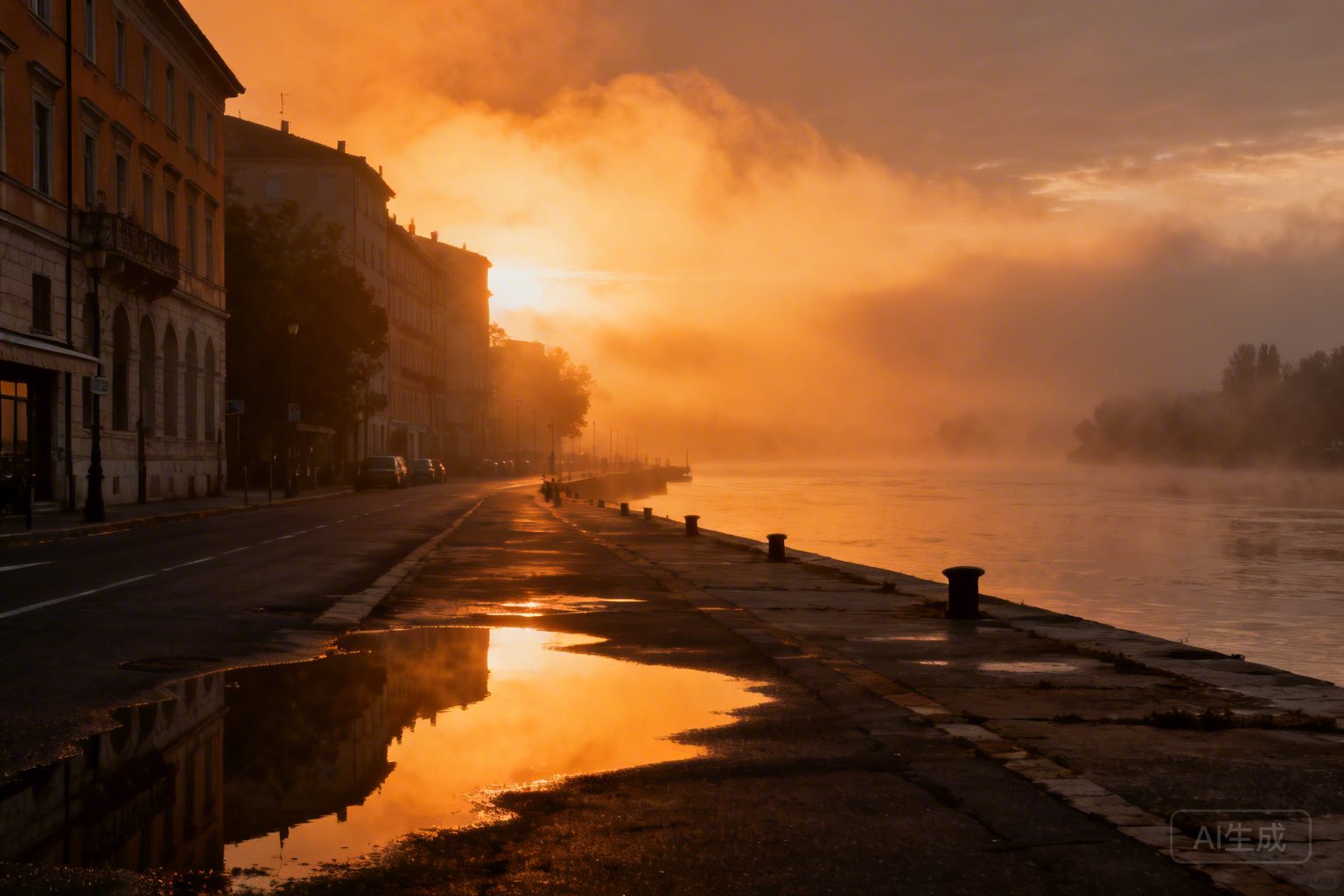
The dawn in Mexico City is not a visual event so much as it is a sonic collision. It begins with the metallic rattle of rolling steel shutters—the rhythmic percussion of the cortinas—sliding upward to reveal the guts of a million small businesses. It is the sound of the city clearing its throat. Before the sun has even managed to pierce the lavender smog that hugs the edges of the Ajusco mountains, the air is already thick with the scent of toasted corn and the burnt-sugar musk of diesel. This is the valley of the moon, a sprawling, tectonic monster built atop a ghost lake, where the pavement swells and buckles like a living thing, and history is not a memory but a physical weight pressing down on your shoulders.
To enter CDMX—Ciudad de México—is to surrender the illusion of control. You do not visit this city; you are metabolized by it. It is a place of brutalist concrete and baroque gold leaf, where a centuries-old church might lean five degrees to the left, slowly sinking into the soft volcanic mud of a dying aquifer, while a teenager in a Supreme hoodie sells counterfeit AirPods beneath a statue of an Aztec emperor. Here are ten fragments of that beautiful, terrifying tapestry—experiences that feel less like tourism and more like a fever dream etched in stone.
I. The Liturgy of the Comal in Santa María la Ribera
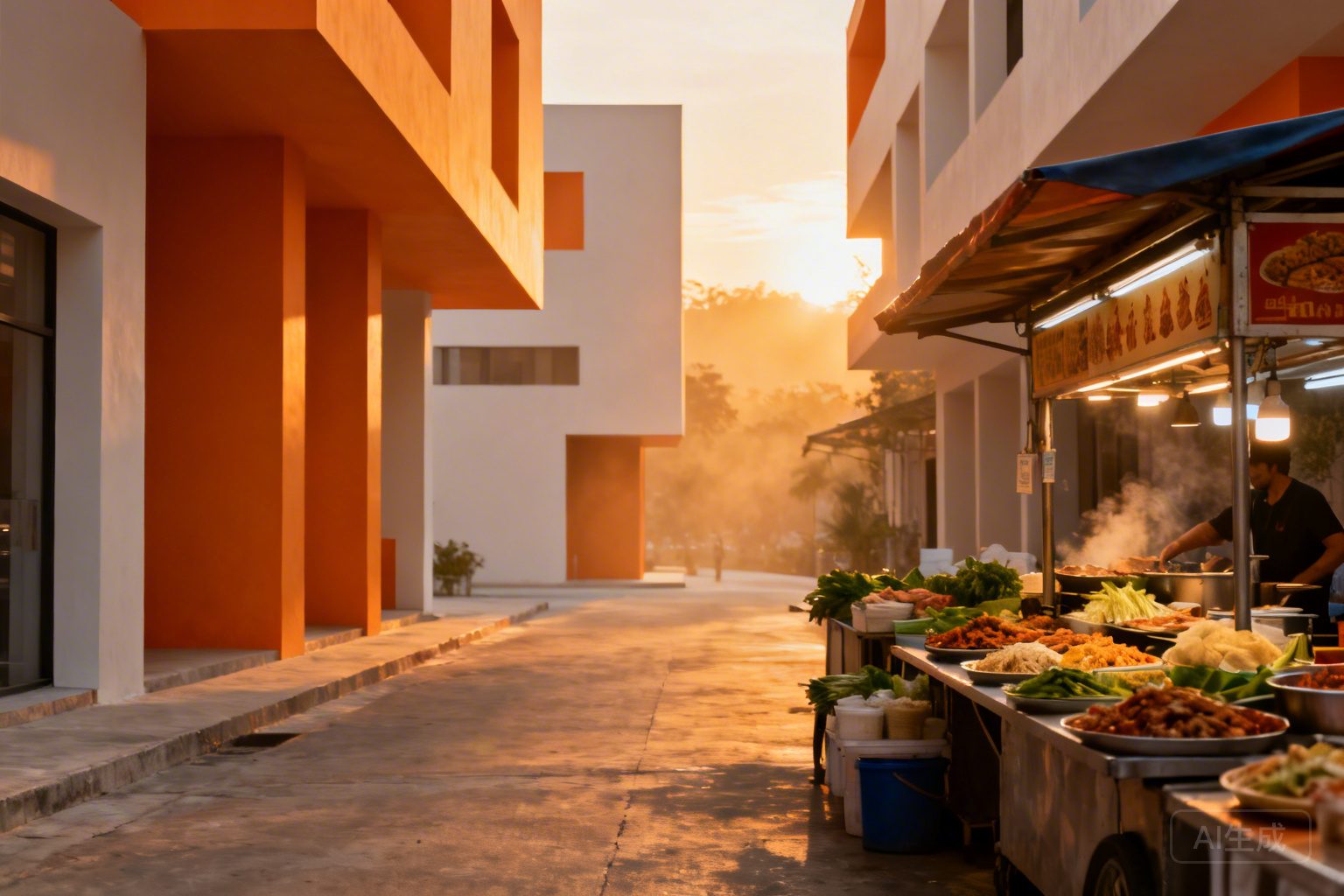
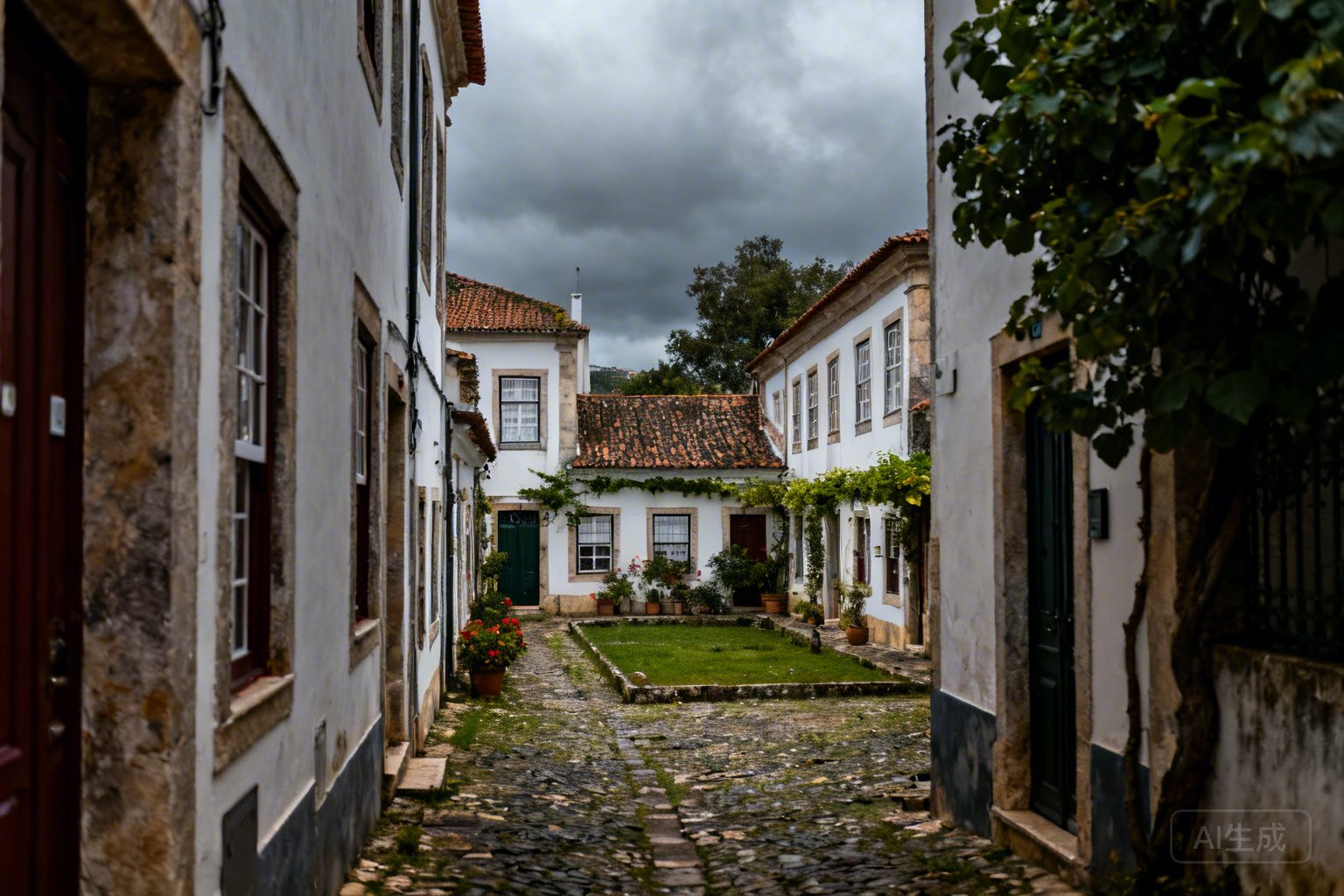
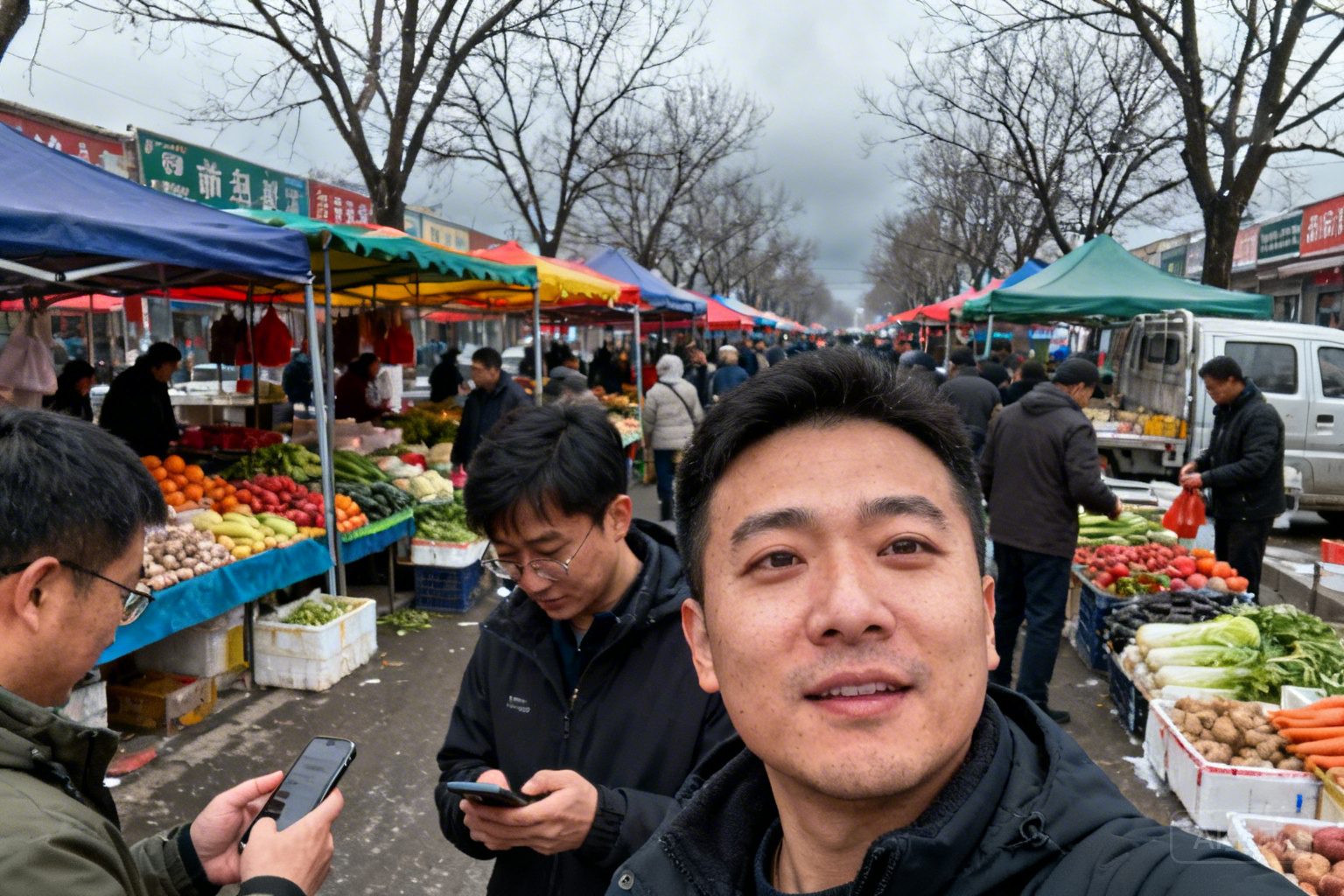
I found myself standing on a street corner in Santa María la Ribera, a neighborhood that feels like a fading aristocrat clutching a fraying silk handkerchief. The houses here are adorned with Moorish arches and peeling paint that reveals layers of ochre, teal, and a dusty, bruised purple. A man sat on a plastic crate, his fingers stained dark by the charcoal he was feeding into a blackened metal drum. This is where the tlacoyo is born. He didn’t look at me; he looked at the masa. He pressed the blue corn dough into an oblong disk with the practiced indifference of a god, stuffing it with a smear of fava bean paste that looked like wet clay.
The texture of the finished product is a revelation. It is not “soft.” It is resilient. The outer crust has the crunch of parched earth, while the interior remains steaming and vegetal. I watched a frantic office worker—her heels clicking like gunfire against the cracked sidewalk—stop mid-stride, her composure evaporating as she waited for her salsa verde. She took a bite, closed her eyes, and for ten seconds, the chaos of the six-lane intersection behind her simply ceased to exist. In this city, the street stall is the only true cathedral.