10 Hidden Places to See in Boracay Away from the Tourist Crowds!
The Calcified Ghost: Beyond the Bone-White Shore
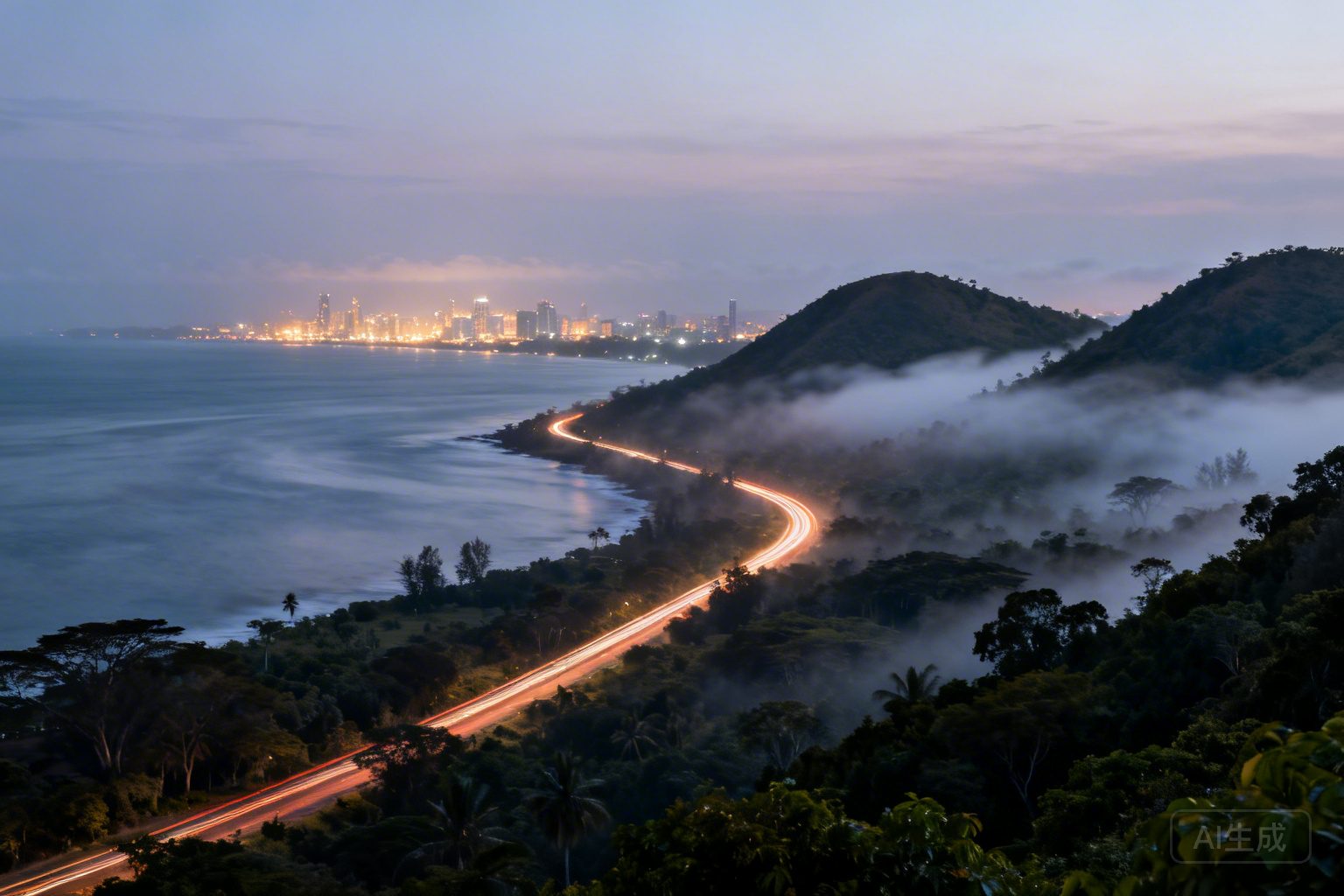
Boracay is a victim of its own impossible beauty, a four-mile stretch of calcium carbonate sand so blindingly white it feels like a glitch in the earth’s crust. Most travelers are content to drown in the neon-soaked hum of White Beach, where the scent of coconut-scented tanning oil mingles with the greasy exhaust of diesel-powered “hop-on” shuttles. They see the postcard. They see the filtered reality. But beneath the veneer of the “World’s Best Island” tag lies a jagged, limestone skeleton, a place where the wind tastes of salt and ancient rot, and where the true pulse of the Visayas beats in a syncopated, hidden rhythm.
To find the real Boracay, one must retreat from the polished marble lobbies of Station 1 and push toward the northern and eastern fringes—the places where the paint peels in long, parchment-like strips from the doors of sari-sari stores and the ghosts of the Ati ancestors still whisper through the banyan roots. This is not the Boracay of the brochure; this is the Boracay of the bone.
1. The Forgotten Mangroves of Lugutan
At the edge of the Lugutan Creek, the air thickens. It loses the crisp, saline quality of the open sea and takes on the heavy, fermented musk of anaerobic mud and decaying leaves. Here, the boardwalk is a skeletal affair of weathered timber, some planks groaning with a pitch that mimics a low cello note under the weight of a footfall. This is the Lugutan Mangrove Eco-Park, a labyrinth of twisted stilt roots that look like the arthritic fingers of a buried giant reaching for the sky.
I watched a woman there, perhaps in her seventies, her skin the color of a cured tobacco leaf and etched with a thousand topographical lines. She sat on a low stool, de-shelling small mollusks with a rhythm that felt older than the island’s tourism industry. She didn’t look up as I passed. Her focus was absolute—a silent monk of the mudflats. In this cathedral of green silt, the sound of the main road’s “e-trike” sirens fades into a muffled heartbeat. The temperature drops five degrees as the canopy swallows the sun, leaving only dappled, emerald light to illuminate the crabs scuttling across the slick, black earth.