10 Hidden Places to See in Chiang Mai Away from the Tourist Crowds!
The Amber Hours of the Rose of the North
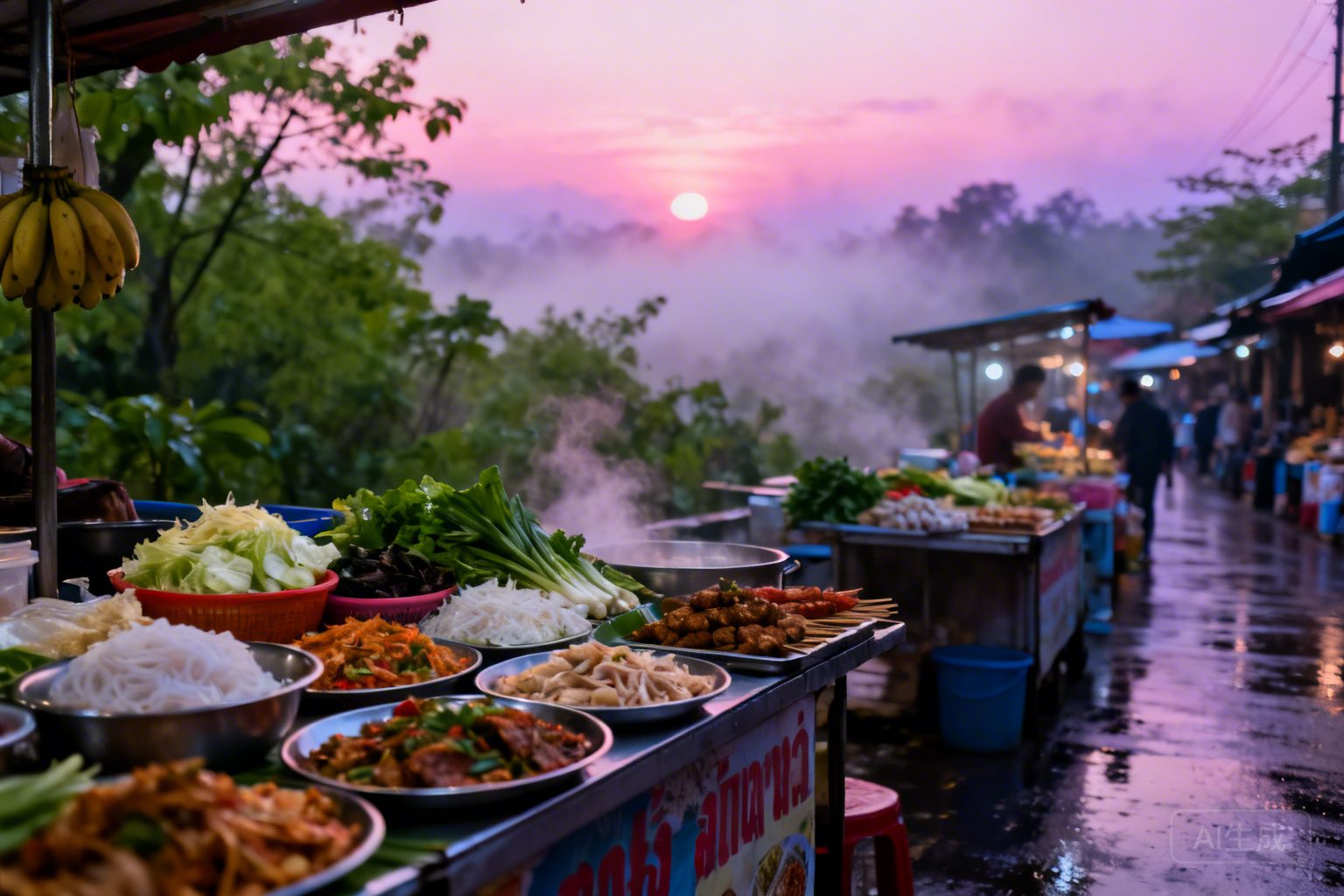
The dawn in Chiang Mai does not arrive with a shout, but with a collective, humid exhale. It is a bruised purple sky, the color of a crushed mangosteen rind, settling over the Moat. While the backpackers on Loi Kroh Road are still drowning in the neon hangover of cheap SangSom buckets, a different city—the real city—is beginning to pulse. Most travelers see the “Rose of the North” through a smear of exhaust and the frantic orange of the tuk-tuks. They tick off the gilded excess of Wat Phra Singh and the selfie-saturated corridors of the Sunday Night Market, never realizing they are merely skimming the surface of a deep, dark well. To find the soul of this place, one must develop a taste for the dust, the damp, and the silence that waits just behind the roar of the ring roads.
I found myself standing at the edge of the Ping River, watching the silt-heavy water churn like caffeinated silk. The air smelled of wet earth and frying garlic. This is where the narrative begins, not in the guidebooks, but in the spaces they forgot to map.
1. The Labyrinth of Wat Umong’s Underground Tunnels
Deep in the foothills of Doi Suthep, where the jungle begins to reclaim the concrete, lies Wat Umong. Most visitors see the massive chedi and leave, but the secret is beneath the earth. Entering the brick-lined tunnels is like stepping into the throat of a cool, mossy beast. The walls are slick with a century of condensation; the air carries the metallic tang of damp soil and ancient incense.
I encountered a monk there—Phra Sunai. He didn’t speak. He simply pointed toward a faded mural of a bird, its wings etched in peeling ochre paint that looked like dried blood. His robes were a sun-bleached saffron, frayed at the hem, smelling faintly of woodsmoke and mothballs. In the silence of the tunnels, the sound of your own heartbeat becomes a rhythmic intrusion. The statues of Buddha, tucked into candle-lit niches, wear expressions of profound indifference to the passage of time. Outside, the “talking trees” have proverbs nailed to their trunks, their leaves whispering in a language of dry friction as the mountain breeze descends.