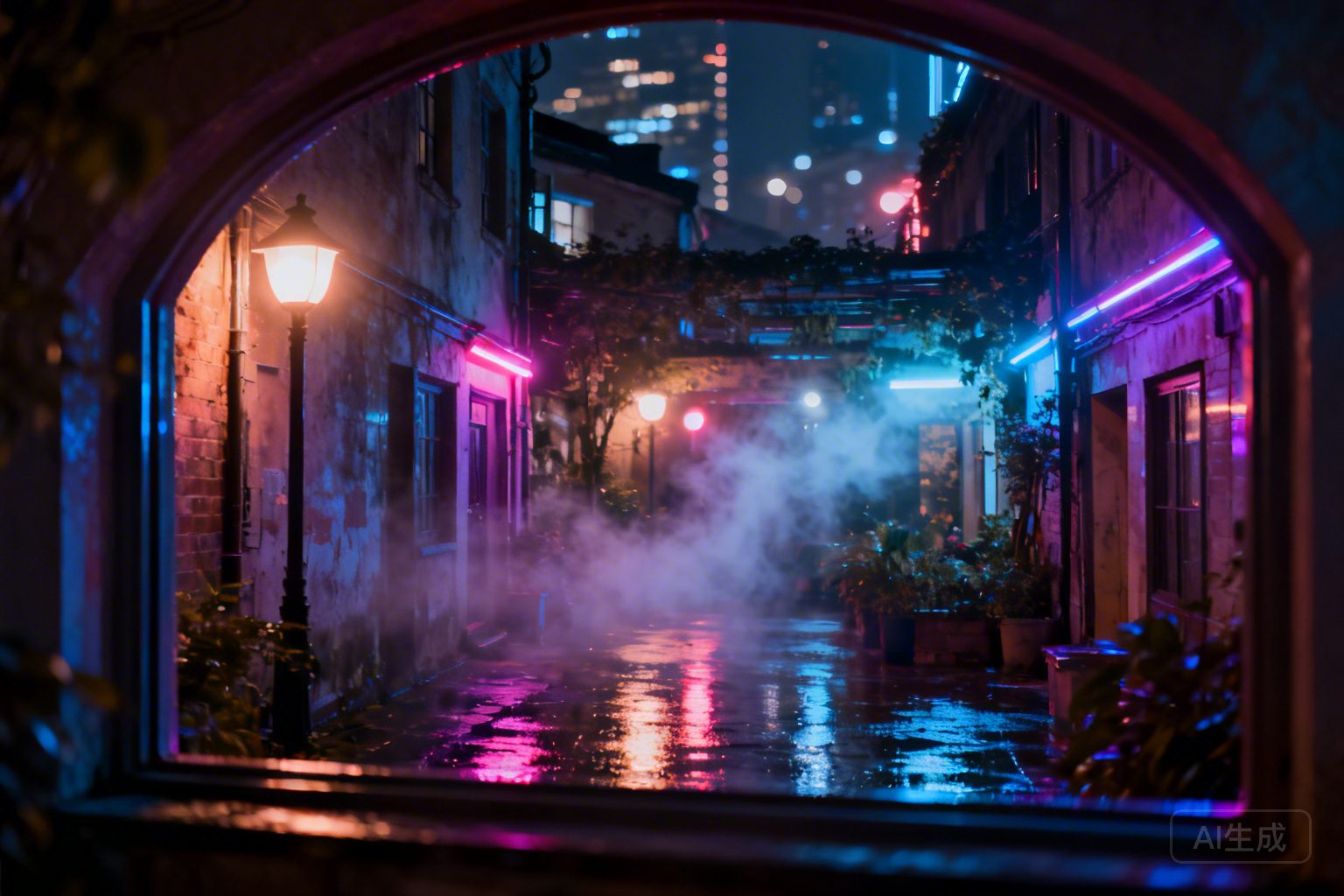
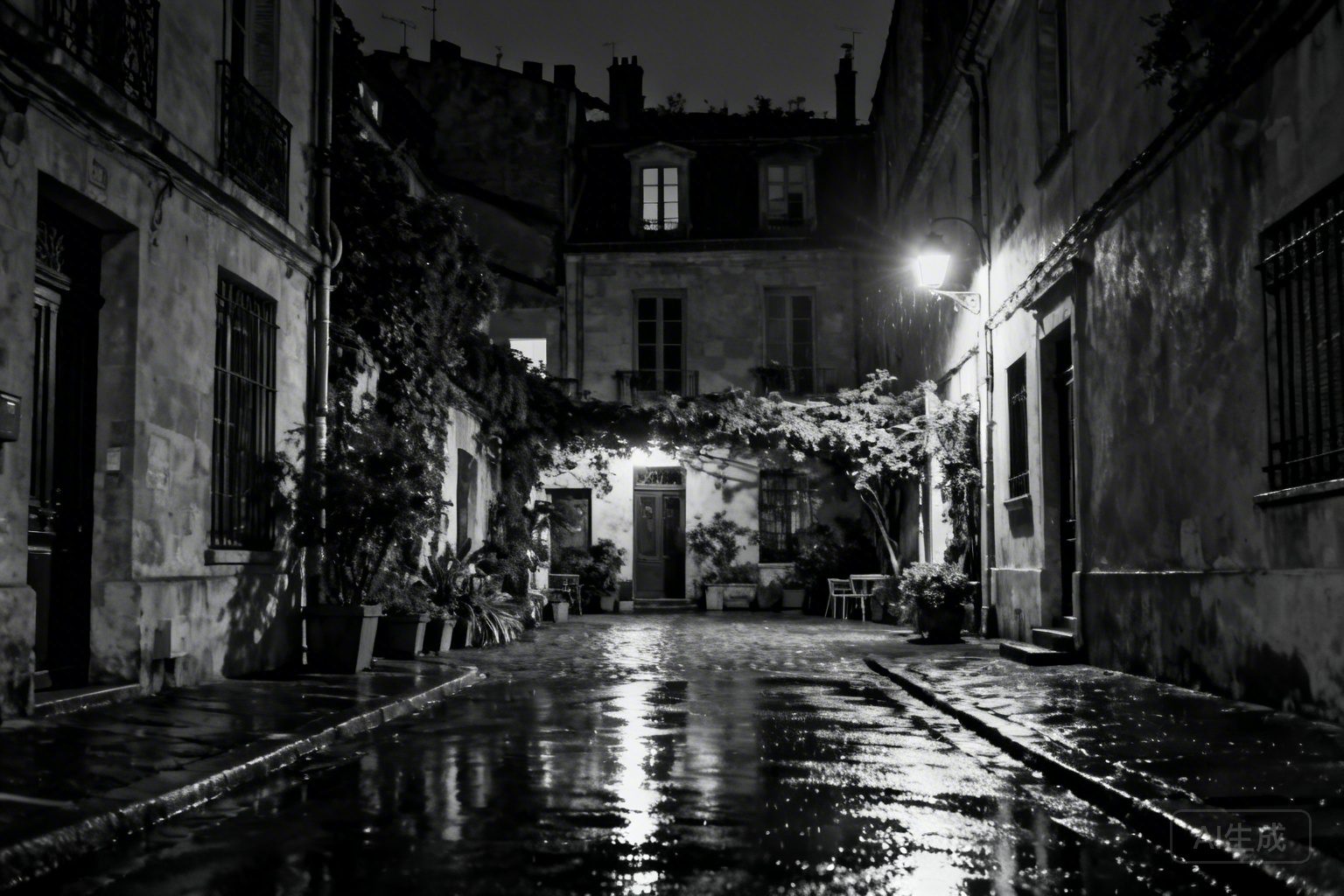
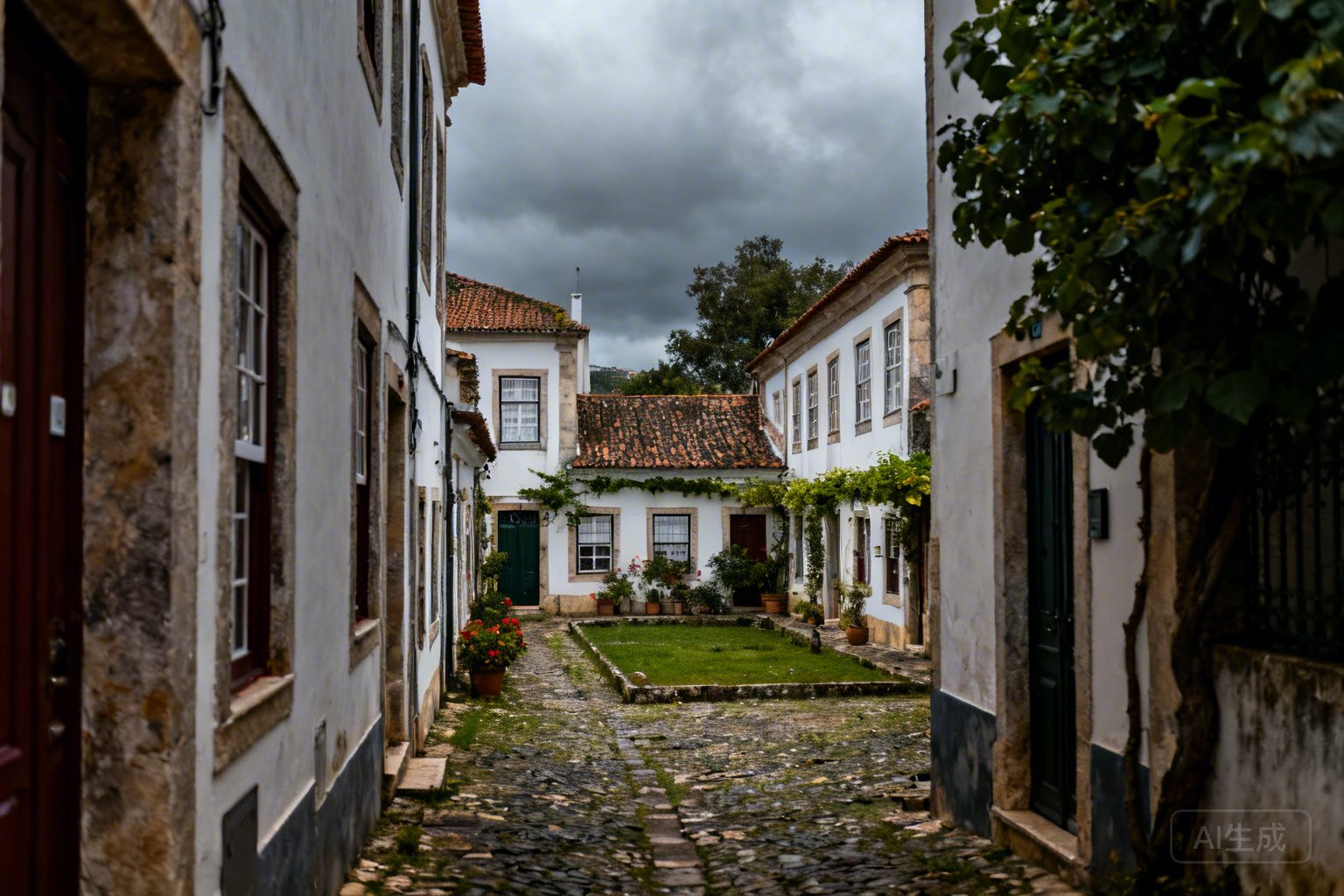
10 Hidden Places to See in Jeju Away from the Tourist Crowds!
The Basalt Ghost: A Requiem for the Unseen Jeju
The propeller plane from Gimpo descends through a curdled layer of Pacific fog, and for a moment, the world is nothing but a bruised, oceanic grey. Then, Jeju rises. Not the Jeju of the glossy brochures—the neon-lit K-pop cafes or the crowded basalt statues of the “stone grandfathers” draped in kitschy orange scarves—but a jagged, prehistoric spine of volcanic rock rising from the froth. The air that greets you at the terminal is heavy, smelling of brine, fermenting tangerines, and the ancient, mineral breath of the earth’s crust. Most travelers turn right, toward the sprawling resorts of Jungmun. We are turning left, into the silence.
To understand Jeju is to understand the wind. It is a persistent, nagging entity that peels the paint from the doors of 100-year-old farmhouses in Aewol, leaving behind a texture like sun-dried fish skin. Here, the landscape is a conversation between the black volcanic rock and the turquoise violence of the sea. To find the soul of this island, one must look away from the crowds and toward the places where the ghosts of the past still linger in the tall pampas grass.
1. The Whispering Forest of Bijarim’s Outer Rim
Deep within the interior, away from the cordoned-off boardwalks where tourists snap selfies with ancient nutmeg trees, lies the forest’s ragged edge. Here, the ground is a sponge of damp moss and decaying needles. The silence is not empty; it is a physical weight. You encounter the silent monk, a man whose grey robes are stained with the dampness of the morning. He does not look at you. He moves with a rhythmic, gliding pace, his eyes fixed on the twisted roots that snake across the path like frozen lightning.
The air is five degrees cooler here. It tastes of damp stone and crushed pine. Every few meters, a spiderweb, heavy with dew, catches the stray light, shimmering like a silver net. It is a place where time feels circular rather than linear, a sanctuary from the frantic hum of the modern world.