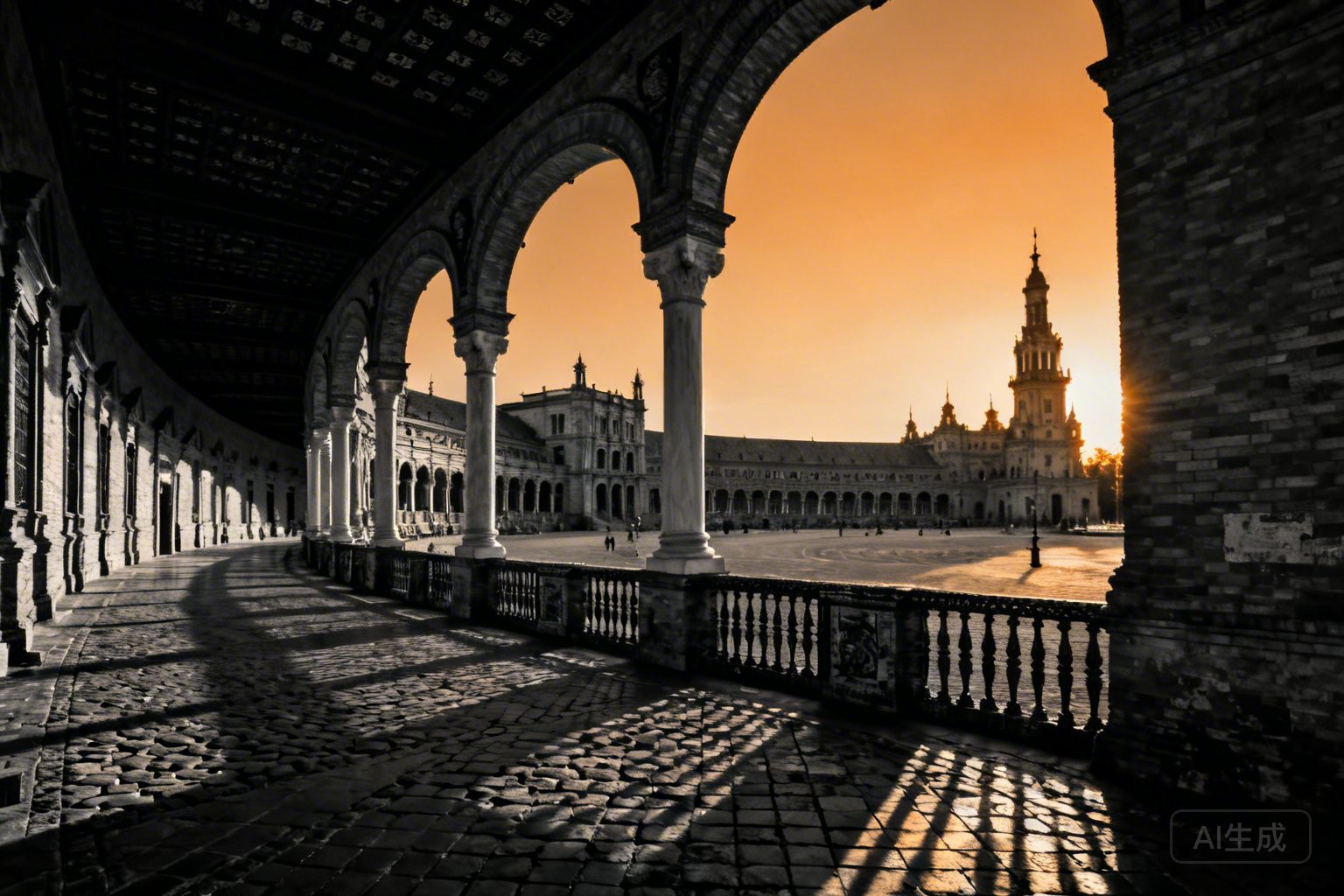
10 Hidden Places to See in Phuket Away from the Tourist Crowds!
The Amber Ghost of the Andaman
Phuket is a victim of its own luminescence. It is a word that, in the global lexicon, has become synonymous with the neon shriek of Bangla Road and the repetitive thrum of long-tail boat engines ferrying sun-scorched bodies to Maya Bay. But look closer. Beneath the veneer of “The Pearl of the Andaman” lies a fractured, beautiful, and deeply weathered soul. To find it, you must ignore the glossy brochures and follow the scent of damp salt air and fermenting shrimp paste. You must look for the Phuket that exists in the shadows of the limestone karsts, away from the selfie sticks and the scent of chemical sunscreen.
I arrived in Old Town as the dawn was a bruised purple, the air so thick with humidity it felt like walking through a warm, wet curtain. The architecture here—Sino-Portuguese—is a riot of fading pastel and stubborn decay. It is the texture of a life lived long and hard. I found myself staring at a door on Soi Rommanee, its paint peeling in rhythmic flakes like the scales of a dying fish. Red underneath, then a sickly mint green, then the raw, grey timber beneath. This door had seen the tin boom of the 19th century and the tsunami of the 21st. It didn’t care for my presence.
1. The Walled Silence of Sang Tham Shrine
Tucked behind a narrow alleyway that smells of diesel and jasmine, the Shrine of the Serene Light (Sang Tham) is easy to miss. It is a secret kept by the Hokkien descendants. As I stepped through the gate, the roar of the motorbikes vanished, replaced by the low, gutteral hum of a ceiling fan struggling against the heat. The air inside was heavy with the incense of a thousand prayers, a dry, peppery scent that clung to the back of my throat.
I watched an old man—his skin the texture of crumpled parchment—methodically trim the wicks of oil lamps. He didn’t look up. His movements were hypnotic, a slow-motion dance of devotion. The walls were covered in faded murals depicting scenes from Chinese mythology, the gold leaf worn thin by the touch of countless hands. Here, time is not a line, but a circle. The temple offers no souvenirs, only the crushing weight of history and the sound of your own heartbeat.