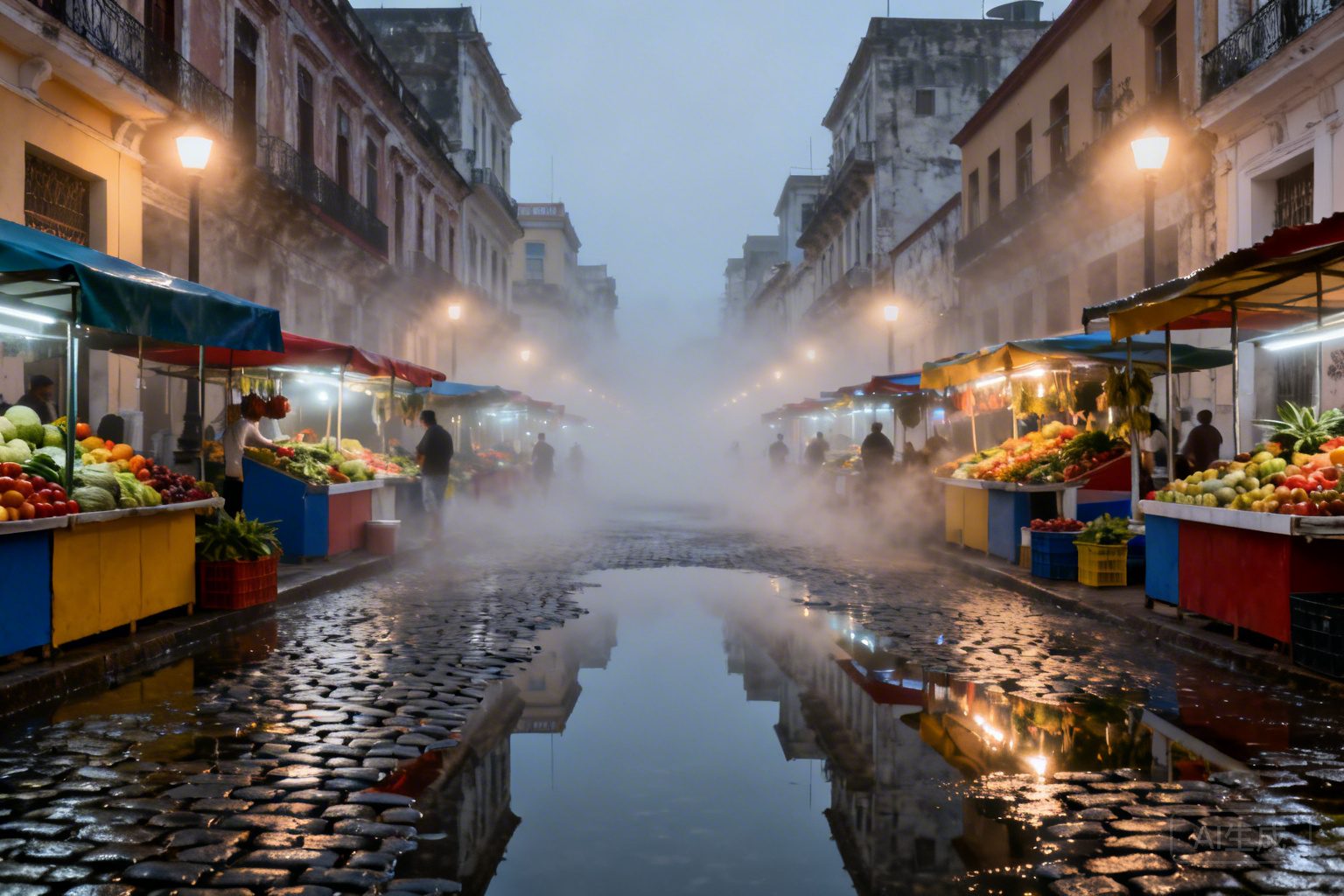
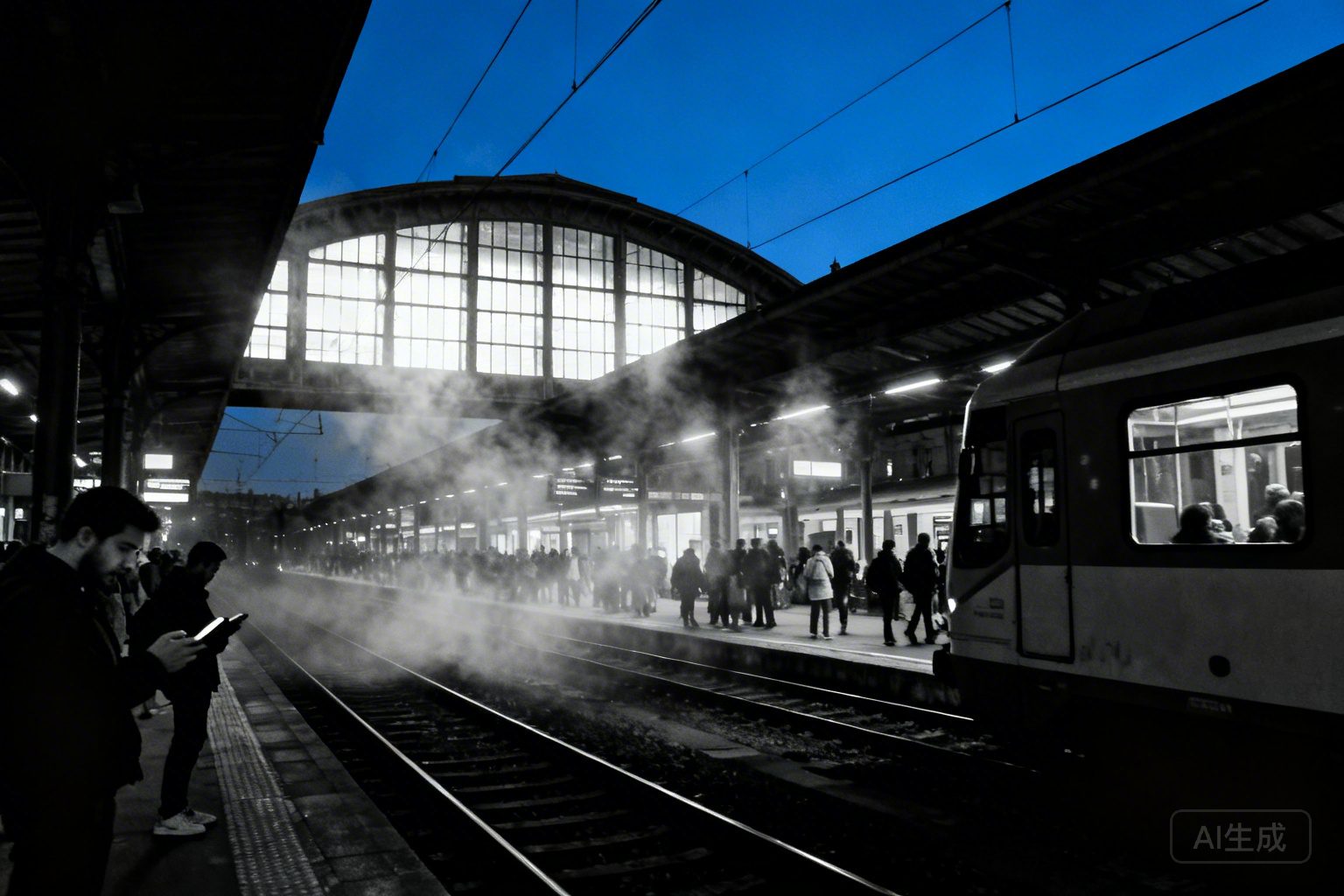
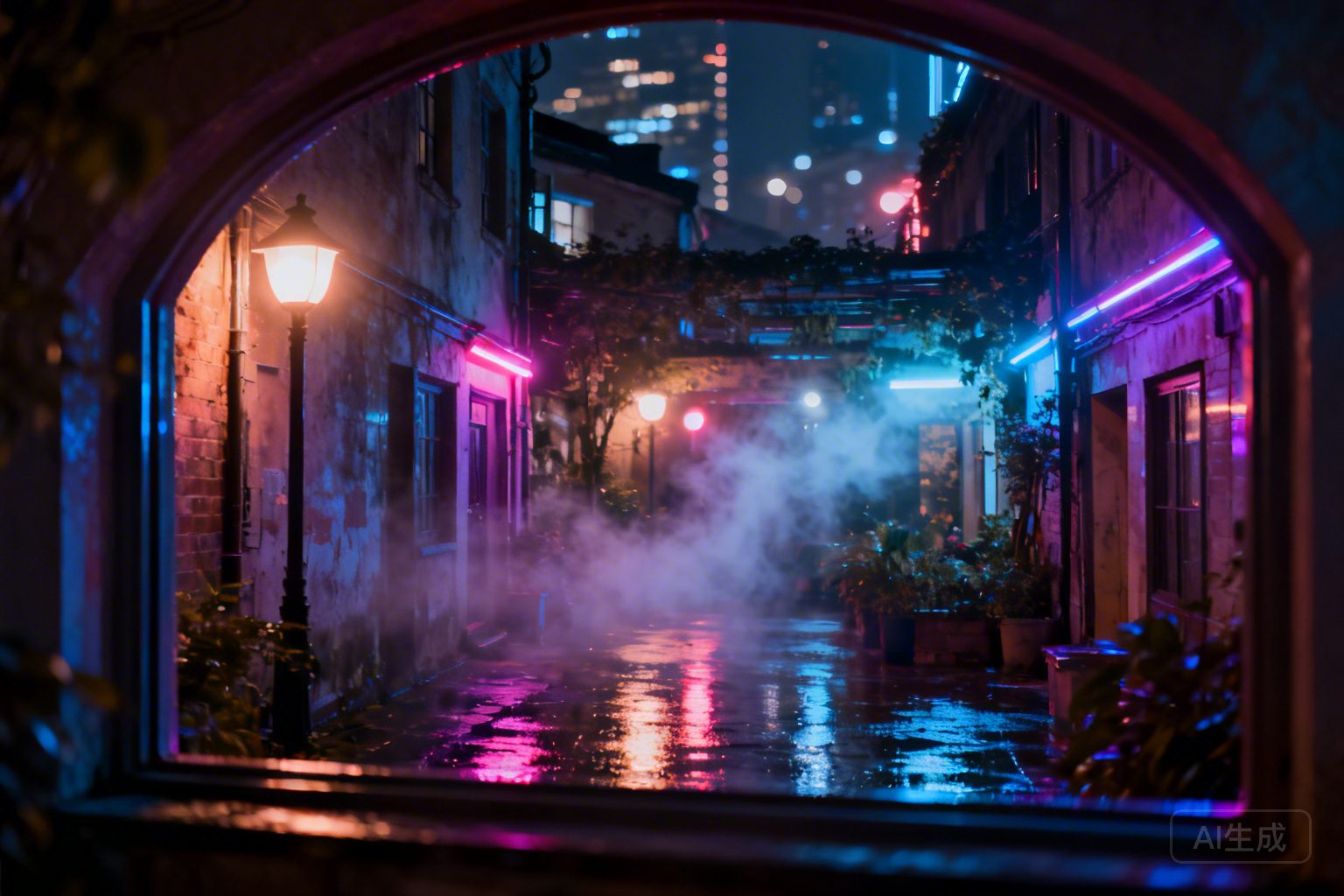
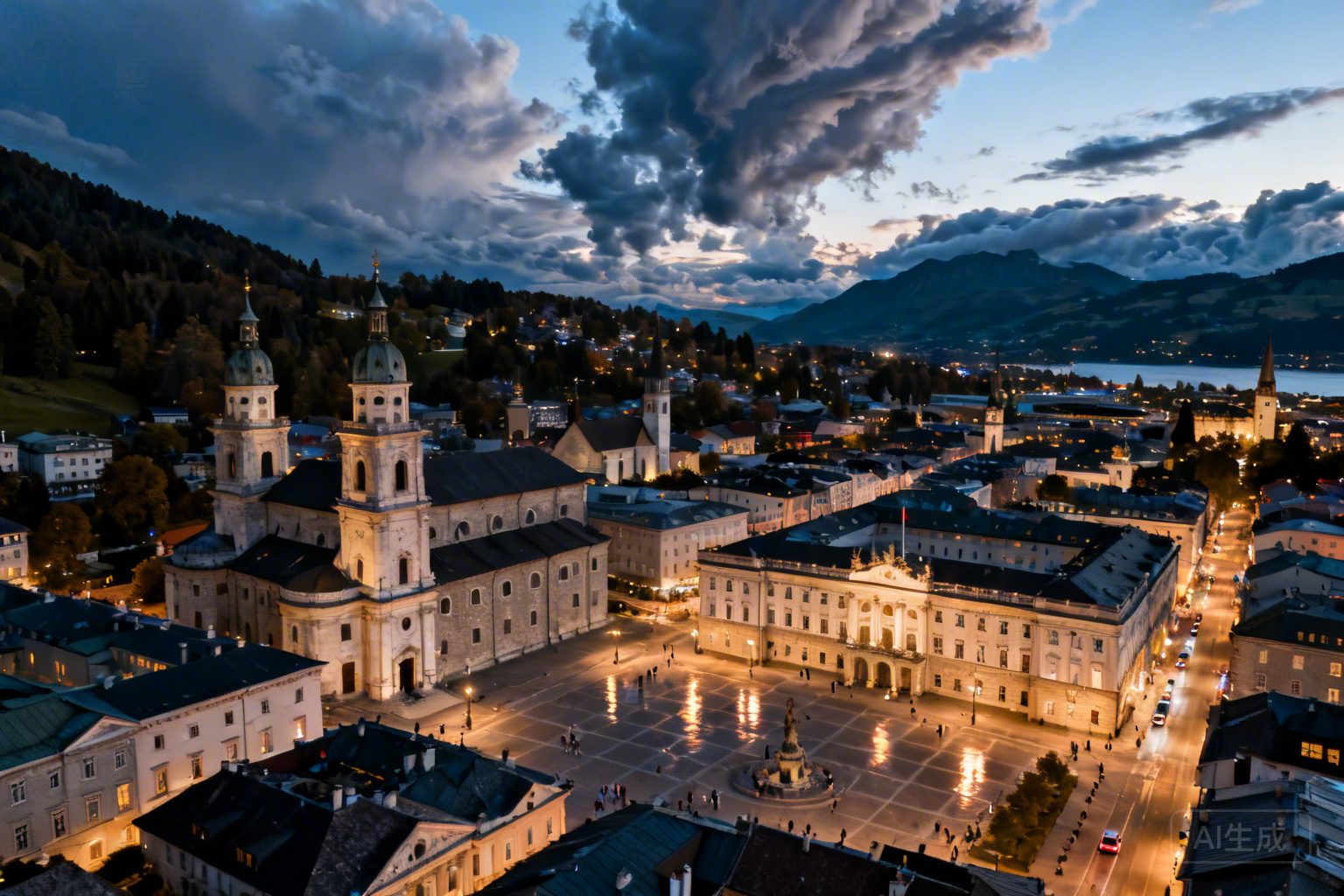
10 Jaw-Dropping Architecture Marvels in Bordeaux You Need to Photograph!
The Stone Whisperer: A Slow Drift Through Bordeaux’s Architectural Fever Dream
The dawn in Bordeaux does not break; it dissolves. It is a slow, chemical reaction where the indigo of the Atlantic night bleeds into a pale, bruised violet, eventually surrendering to the honeyed hue of 18th-century limestone. I am standing at the edge of the Garonne, a river the color of milky tea, watching the mist wrap its damp fingers around the iron skeletons of the bridges. The air smells of silt, roasted chicory, and the ghost of a million oak barrels. Here, the city isn’t just built; it is exhaled from the marshy earth, a testament to the ego of kings and the obsession of merchants.
To photograph Bordeaux is to engage in a rhythmic dance with shadow and scale. It is a city of “blonde stone,” a calcarenite that feels porous and warm to the touch, like the skin of a sleeping giant. But beneath this neoclassical elegance lies a tension—a friction between the medieval shadows and the glass-and-steel defiance of the new millennium. If you seek the soul of the Port of the Moon, you must look where the light hits the masonry at an oblique angle, revealing the scars of centuries.
1. Le Miroir d’Eau: The Liquid Ego of the Place de la Bourse
I begin where the city stares at itself. The Place de la Bourse is a symmetrical masterpiece of the 1700s, a horseshoe of grandeur designed by Ange-Jacques Gabriel to open the city to the river. But its modern soul lies in the Miroir d’Eau. This is the world’s largest reflecting pool, a granite slab covered in two centimeters of water that turns the sky into a floor.
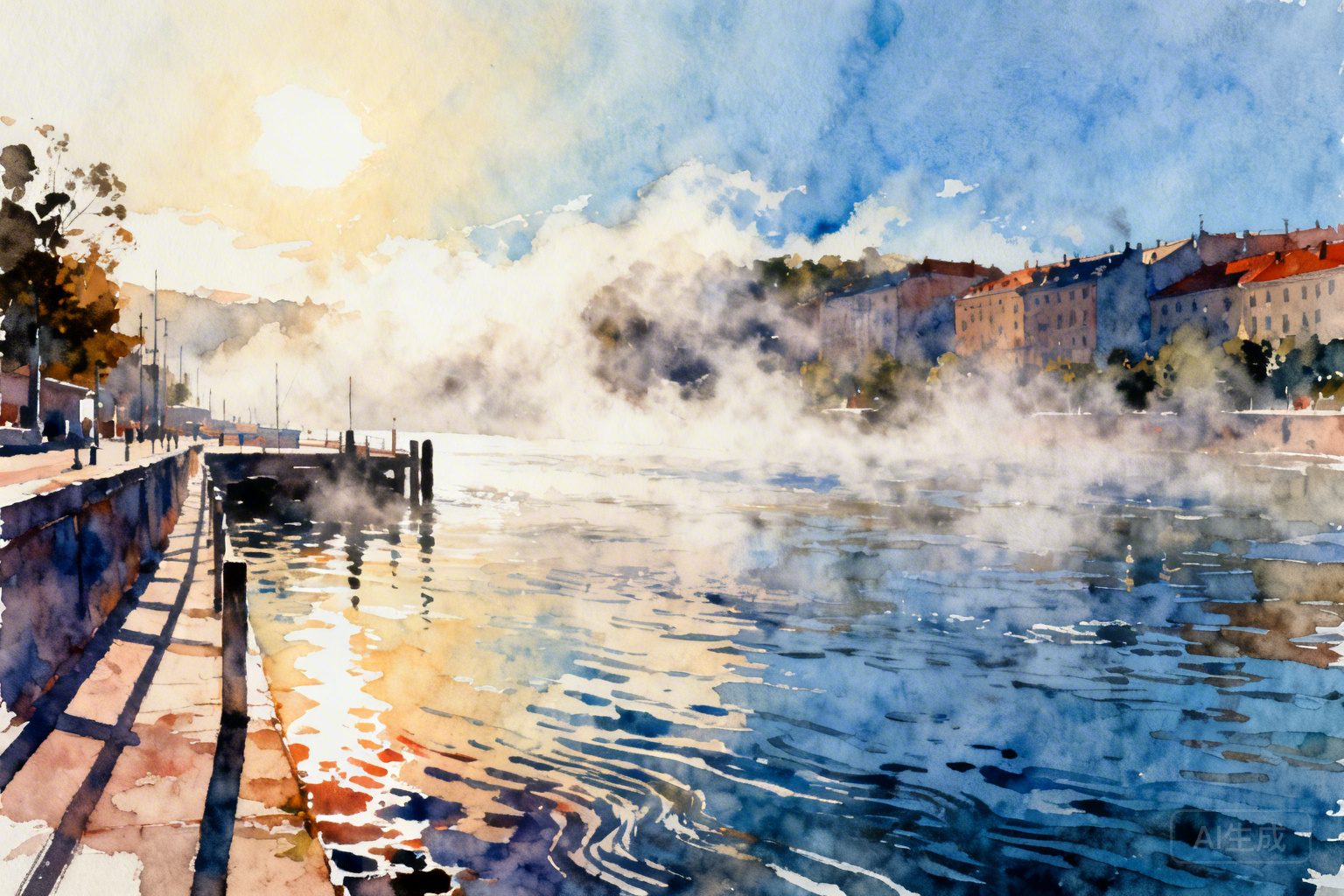
The granite is cold underfoot, slick with a microscopic patina of algae. Every fifteen minutes, the water retreats, replaced by a thick, waist-high fog that erupts from hidden nozzles. I watch a frantic office worker—his tie askew, smelling of stale espresso and expensive tobacco—sprint through the mist, his leather soles clicking rhythmically against the stone before he vanishes into the white vapor. It is a cinematic erasure. When the mist clears, the reflected facade of the Bourse is so sharp it feels like a hallucination. The sculptures of the Three Graces on the fountain seem to shiver in the morning breeze. The wind here is sharp, a salt-tinged gust that whistles through the arches of the quay, carrying the faint, metallic tang of the tram tracks.