10 Jaw-Dropping Architecture Marvels in Dar es Salaam You Need to Photograph!
The Swahili Palimpsest: Chasing Shadows and Concrete in the Haven of Peace
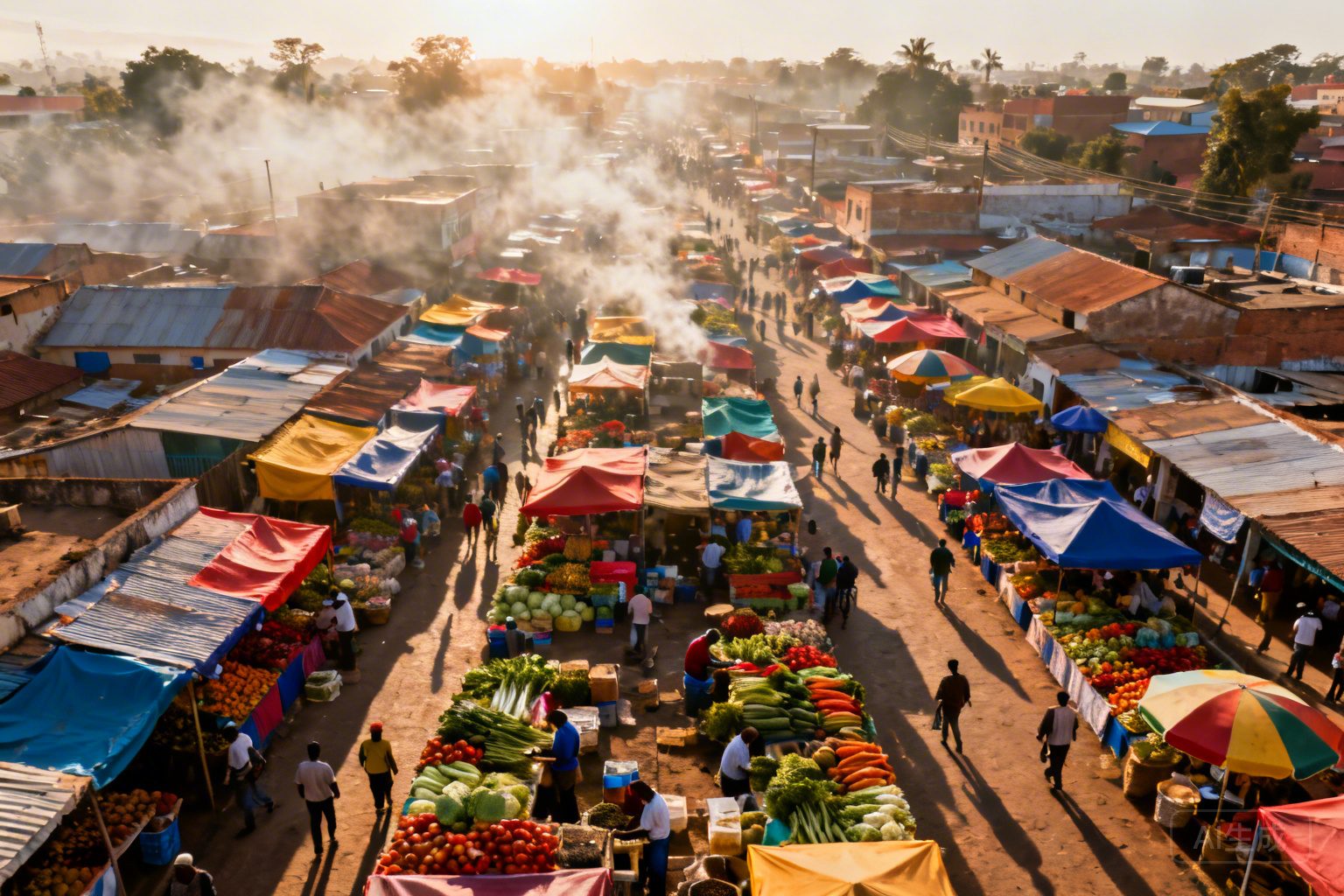
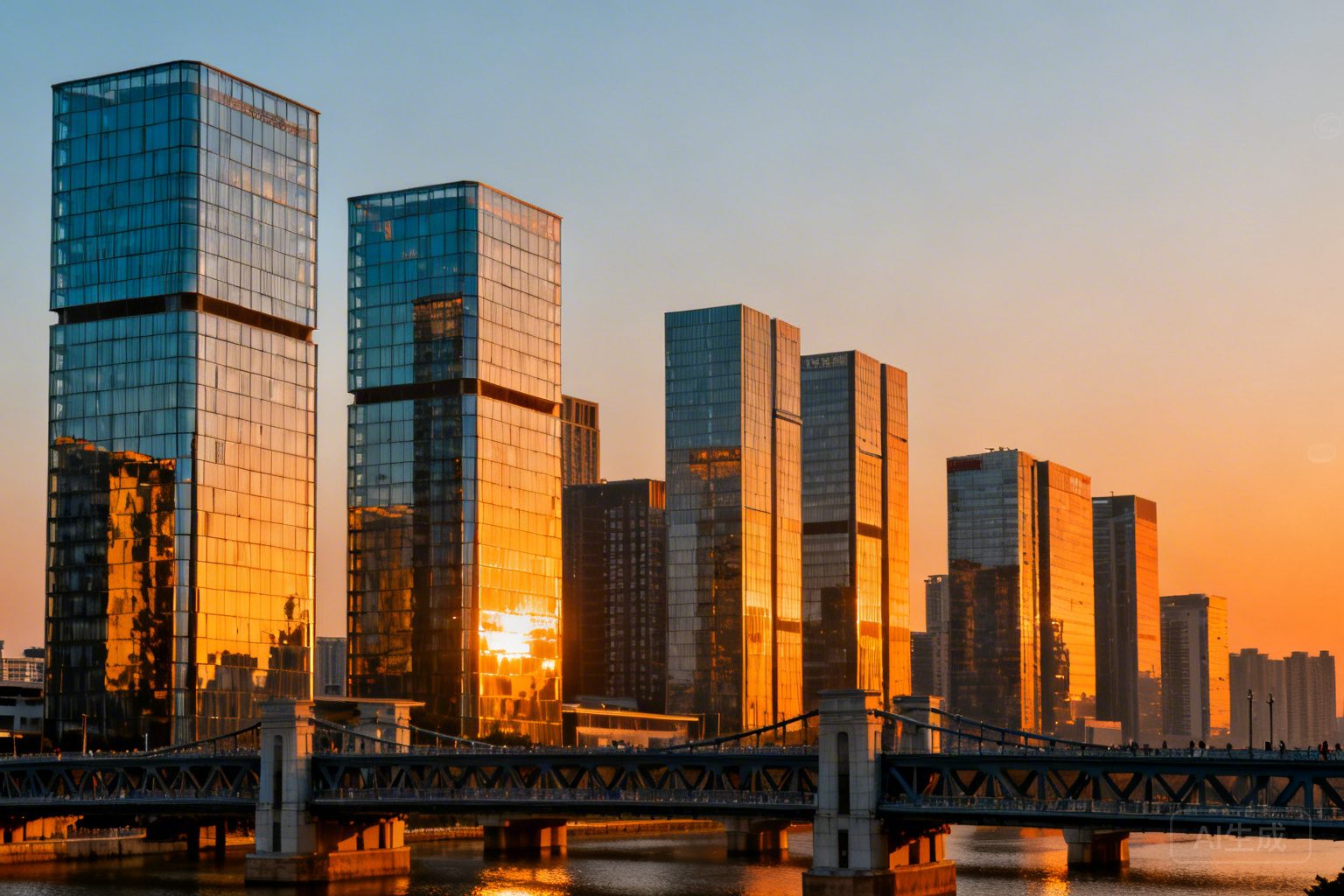
The humidity in Dar es Salaam is not a weather condition; it is a physical entity, a warm, damp towel draped over the shoulders the moment you step onto the tarmac at Julius Nyerere International. It smells of kerosene, charred maize, and the salt-heavy breath of the Indian Ocean. I am here to find the bones of the city—the stone, the steel, and the sun-bleached coral—that hold up this sprawling, chaotic metropolis of six million souls. To photograph Dar is to attempt to capture a ghost. The city is a palimpsest, a parchment that has been written upon, erased, and overwritten by Sultans, German colonizers, British administrators, and Socialist visionaries. Every corner is a collision. Every building is a witness.
I begin where the city began, at the water’s edge, as the dawn light turns the harbor into a sheet of hammered silver. The dhows are already moving, their triangular sails like shark fins cutting through the mist, while in the distance, the skeletal cranes of the modern port groan under the weight of global commerce. This is a city that never decided what it wanted to be, and so it became everything at once.
1. The Azania Front Lutheran Church: A German Winter in the Tropics
Standing before the Azania Front Lutheran Church, one is struck by the sheer audacity of its presence. Built in 1898 by German missionaries, its red-tiled canopies and stark white walls look like a fragment of Bavaria that fell from the sky and landed on the equator. The architecture is a frantic attempt to recreate home in a land that felt alien. I run my hand along the thick masonry; the lime-wash is cool to the touch, despite the rising sun.
I watch a silent monk—or perhaps just a very contemplative sexton—sweep the front steps with a broom made of bundled twigs. Swish. Swish. The sound is hypnotic. He doesn’t look up as the city wakes around him. To photograph this, you must wait for the moment the sun hits the clock tower, illuminating the red tiles against a sky so blue it feels bruised. The contrast is violent. It is a monument to a colonial dream that rusted away, yet the building remains, stubborn and immaculate, its bells tolling with a heavy, Germanic resonance that cuts through the frantic honking of the nearby daladalas.