10 Jaw-Dropping Architecture Marvels in Jaipur You Need to Photograph!
The Rose-Colored Fever Dream: A Cartography of Pink
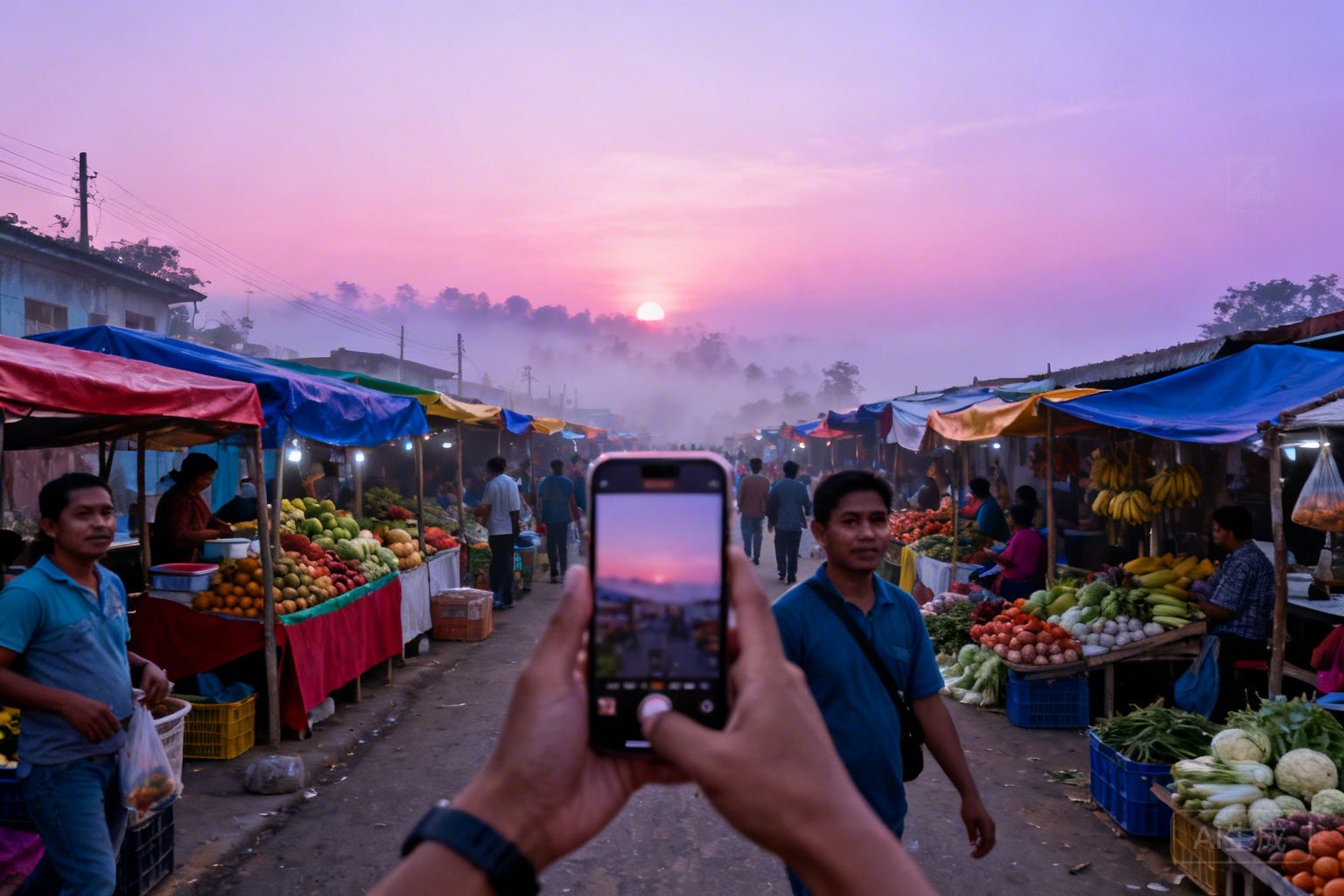
The dawn in Jaipur does not break so much as it dissolves, a slow bleed of turmeric yellow into the dusty, particulate haze of the Rajasthan desert. I am standing at the edge of the Sireh Deori Bazaar, and the air tastes of burnt sugar and diesel exhaust. The city is waking up with a collective rattle—the sound of iron shutters scraping upward against stone, the rhythmic thwack-thwack of a dhobi washing linens against a concrete slab, and the distant, tinny trill of a Bollywood ballad from a radio that has seen better decades. To photograph Jaipur is to engage in a frantic negotiation with light and history; the city is a living organism, a sprawling, terracotta-hued maze where every corner feels like a deliberate stage set designed three centuries ago by a visionary king with an obsession for symmetry.
I feel the grit of the sandstone beneath my fingertips. It is porous, warm, and slightly abrasive, vibrating with the low-frequency hum of a million passing motorbikes. This is the “Pink City,” though the color is more of a weathered terracotta, a shade born in 1876 to welcome the Prince of Wales, preserved now by law and stubborn tradition. My camera feels heavy, a black anchor against my chest as I begin a pilgrimage through the ten structural miracles that define this skyline.
1. Hawa Mahal: The Screen of Whispers
The Hawa Mahal does not look like a building. It looks like a petrified honeycomb, or perhaps a rigid lace curtain turned to stone. Standing before its five-story facade, I watch the morning sun hit the 953 jharokhas—those tiny, intricate windows—and the pink sandstone seems to glow from within, as if it has been holding its breath all night. The texture here is dizzying. The lime-plastered borders are peeling in microscopic flakes, revealing layers of ochre and dust.
A frantic office worker rushes past me, his briefcase clutched like a shield, his eyes fixed on a destination I cannot see, completely indifferent to the masterpiece looming over his left shoulder. He represents the Jaipur of the present: the kinetic, impatient energy that thrives in the shadow of the monumental past. I climb the narrow, winding ramps of the interior. There are no stairs, only inclines built for the palanquins of royal ladies who once peered through these very screens. The wind—the Hawa—whistles through the apertures. It is a specific, haunting pitch, a mournful G-flat that carries the scent of marigolds from the street market below. To capture this, you must wait for the exact moment when the sun sits at a forty-five-degree angle, casting long, geometric shadows that turn the facade into a rhythmic exercise in chiaroscuro.