10 Jaw-Dropping Architecture Marvels in Kyoto You Need to Photograph!
The Geometry of Silence: A Decalogue of Stone and Cedar
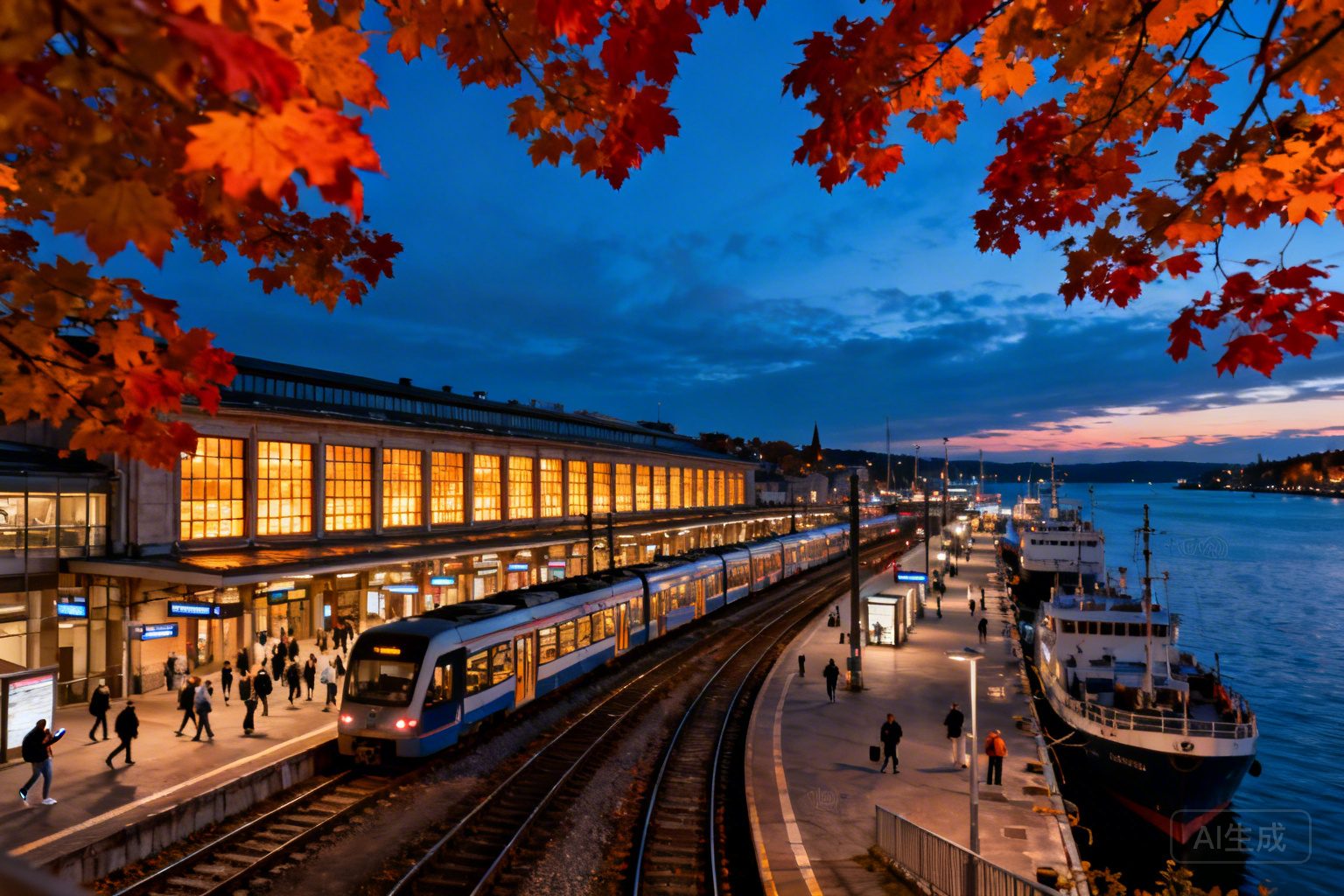
Kyoto does not reveal itself; it surrenders in increments. To arrive at Kyoto Station is to be spat out of a silver bullet into a cathedral of glass and steel that feels like a hallucination of the future dreamed up in 1994. The air here tastes of ozone and expensive roasted green tea. Above, the sky is gridded by a massive lattice of dark girders, a space so cavernous it seems to generate its own internal weather. This is where our pilgrimage begins, not in the antiquity of the shogunate, but in the brutalist embrace of the Kyoto Station Building.
I watch a salaryman, his suit a shade of charcoal so precise it looks like a shadow, sprint across the concourse. He doesn’t look up at the soaring 17-story atrium. He is immune to the vertigo. But for those of us with cameras slung like talismans around our necks, the station is the first marvel. It is a masterpiece of reflective surfaces. The glass facades catch the bruised purple of a Kansai dusk, fracturing the city into a thousand jagged pixels. Hiroshi Hara, the architect, designed this to be a “geographical gate,” and as the wind whistles through the high catwalks—a sound like a flute played by a giant—you feel the threshold being crossed.
1. The Labyrinthine Ascent: Fushimi Inari-taisha
Southward, the city’s rhythm shifts. The neon hum of the station fades into the rhythmic clack-clack of the Keihan line. At Fushimi Inari, the architecture is not a single building, but a kinetic sculpture of four thousand vermillion torii gates. They bleed into the hillside like a trail of wet ink. The paint on the older pillars is not merely red; it is the color of a dried scab, peeling away in delicate flakes to reveal the grey, weathered cedar beneath.
I follow a monk—his robes a startling saffron against the orange wood—as he climbs with a silent, terrifying efficiency. He does not pant. He does not stop to adjust his focal length. The air here is five degrees cooler than the street, smelling of damp moss and the metallic tang of incense. Every few meters, a stone fox stares you down, its neck draped in a bib of faded crimson silk. To photograph this is to chase the flicker of light that manages to pierce the canopy, hitting the curved lintels of the gates and creating a perspective tunnel that seems to stretch into a different century. It is a geometry of repetition that induces a fever dream.