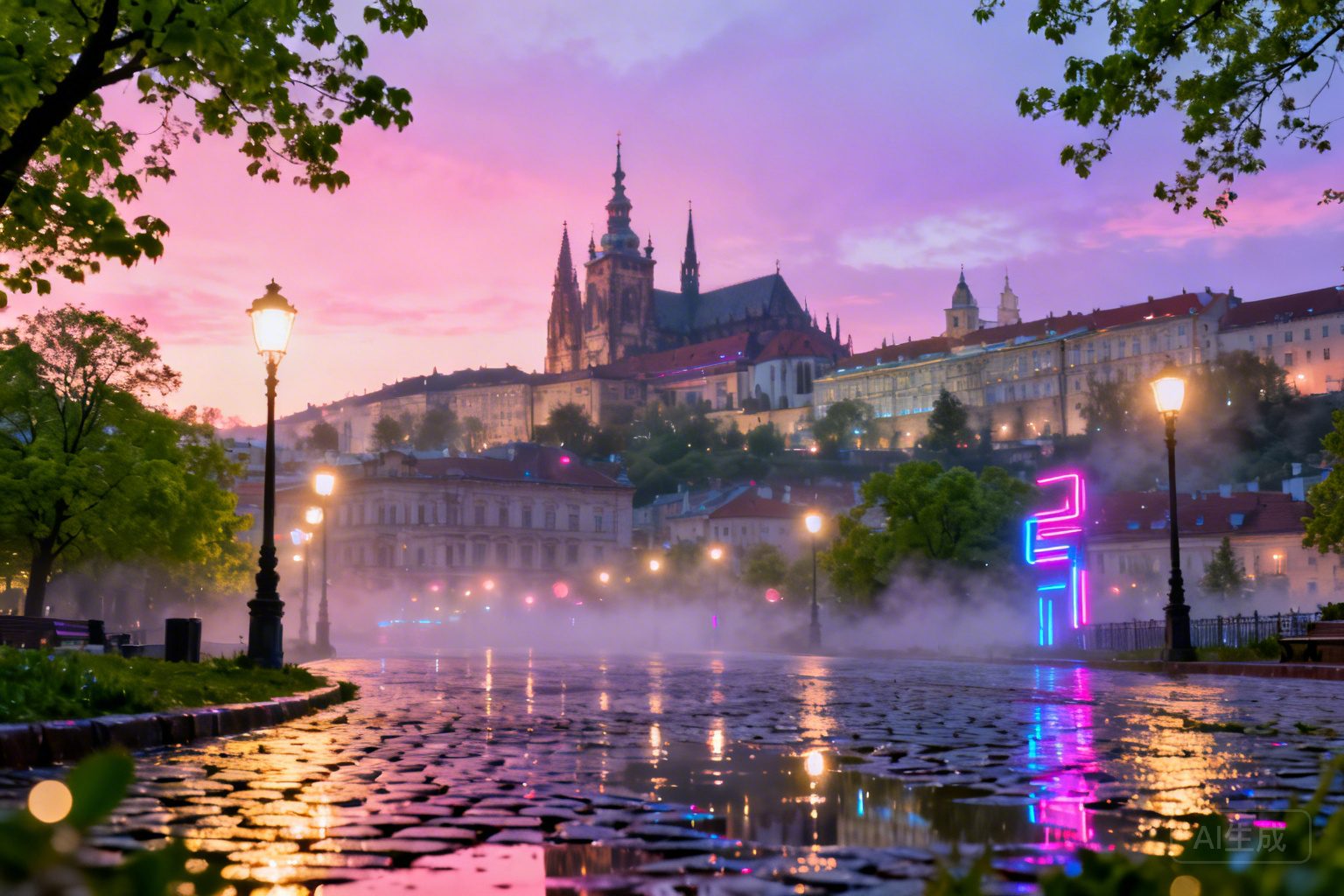
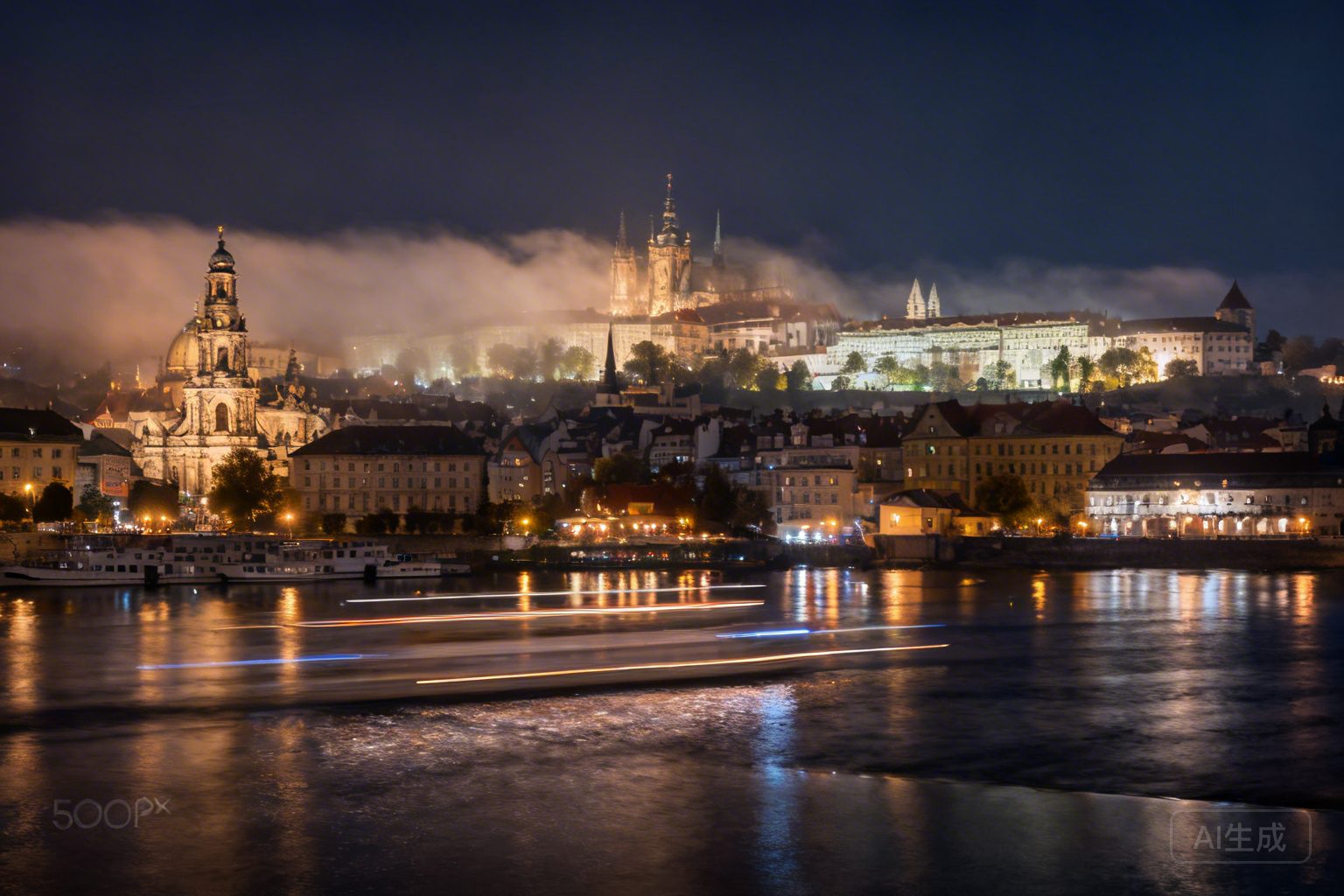
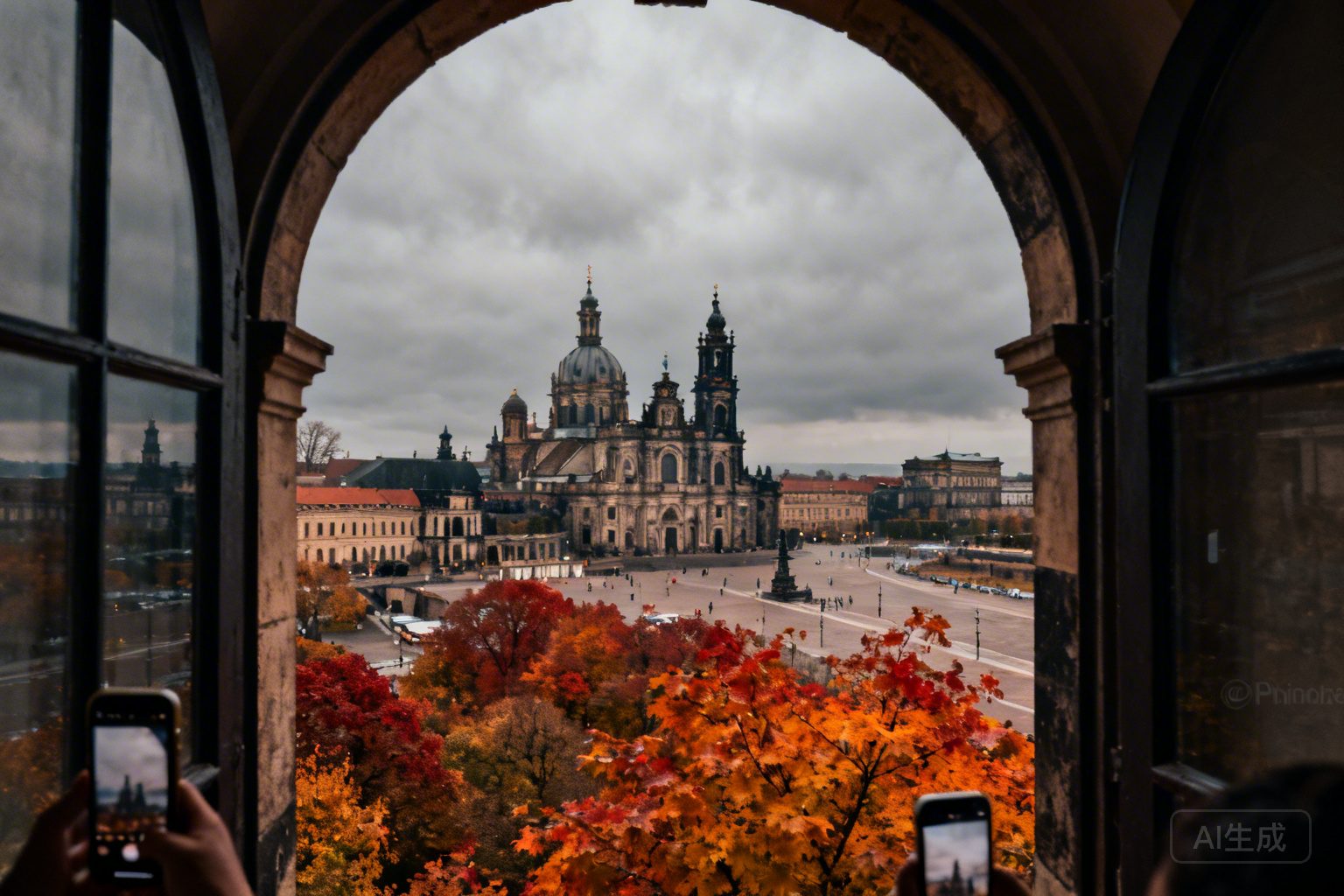
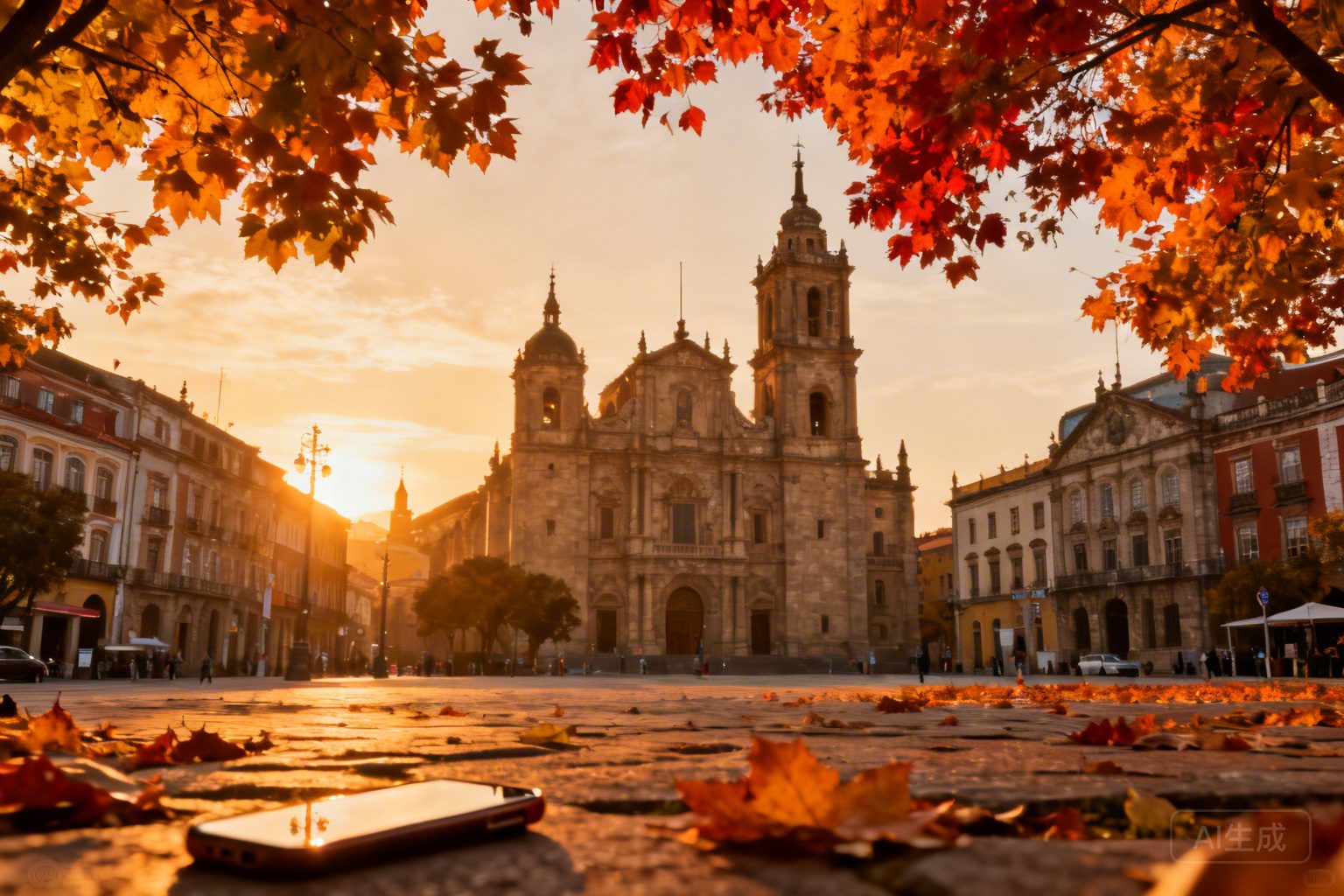
10 Jaw-Dropping Views of Brussels You Need to See to Believe!
The Granite Mirror: Awakening in the Grand-Place
The dawn over the Grand-Place does not arrive with a shout, but with the wet, rhythmic slap of a mop against seventeenth-century cobblestones. It is 5:45 AM. The air tastes of damp stone and the faint, ghosts-of-yesterday scent of spilled Leffe and expensive diesel. This is the first view, and perhaps the most deceptive: a panoramic sweep of the most beautiful square in Europe, stripped of its tourist armor. The gilded filigree on the Maison des Boulangers catches the first bruised light of a Belgian morning, shimmering like the discarded jewelry of a giant. Here, the architecture is a physical manifestation of Flemish pride—an architectural “f*** you” to the French kings who once reduced this square to rubble in 1695. They rebuilt it in four years. That is the Brussels temperament: a stubborn, quiet defiance etched in grey stone.
I stand near the King’s House, watching a lone street sweeper. He is a man of indeterminate age, wearing a neon vest that has seen better decades, his movements as precise as a watchmaker’s. He ignores the gargoyles. He ignores the gold leaf. To him, this is not a UNESCO World Heritage site; it is a floor that needs cleaning. The wind at this corner—the junction of Rue des Harengs—is a sharp, metallic draft that tunnels through the narrow medieval arteries, carrying the temperature of a butcher’s freezer. It smells of the North Sea, hundreds of miles away, yet strangely present in the humidity that clings to your eyelashes.
The view here is a vertical climb for the eyes. Start at the uneven, mud-slicked ground, follow the soaring gothic lines of the Hôtel de Ville, and end at the tip of the spire where Saint Michel slays a dragon that looks suspiciously like a disgruntled taxpayer. It is a view of power, reclaimed.
The Vertigo of History at the Mont des Arts
By 9:00 AM, the city begins to vibrate. I move toward the Mont des Arts, the “Hill of the Arts,” where King Leopold II—a man whose ambition was as vast as his cruelty—decided to tear down a crowded neighborhood to create a vista of imperial grandeur. The view from the top of the monumental staircase is the postcard shot, yes, but look closer at the textures. The concrete balustrades are weeping white calcium tears. The formal gardens below are manicured to a degree that feels almost violent; every boxwood hedge is a prisoner of geometry.