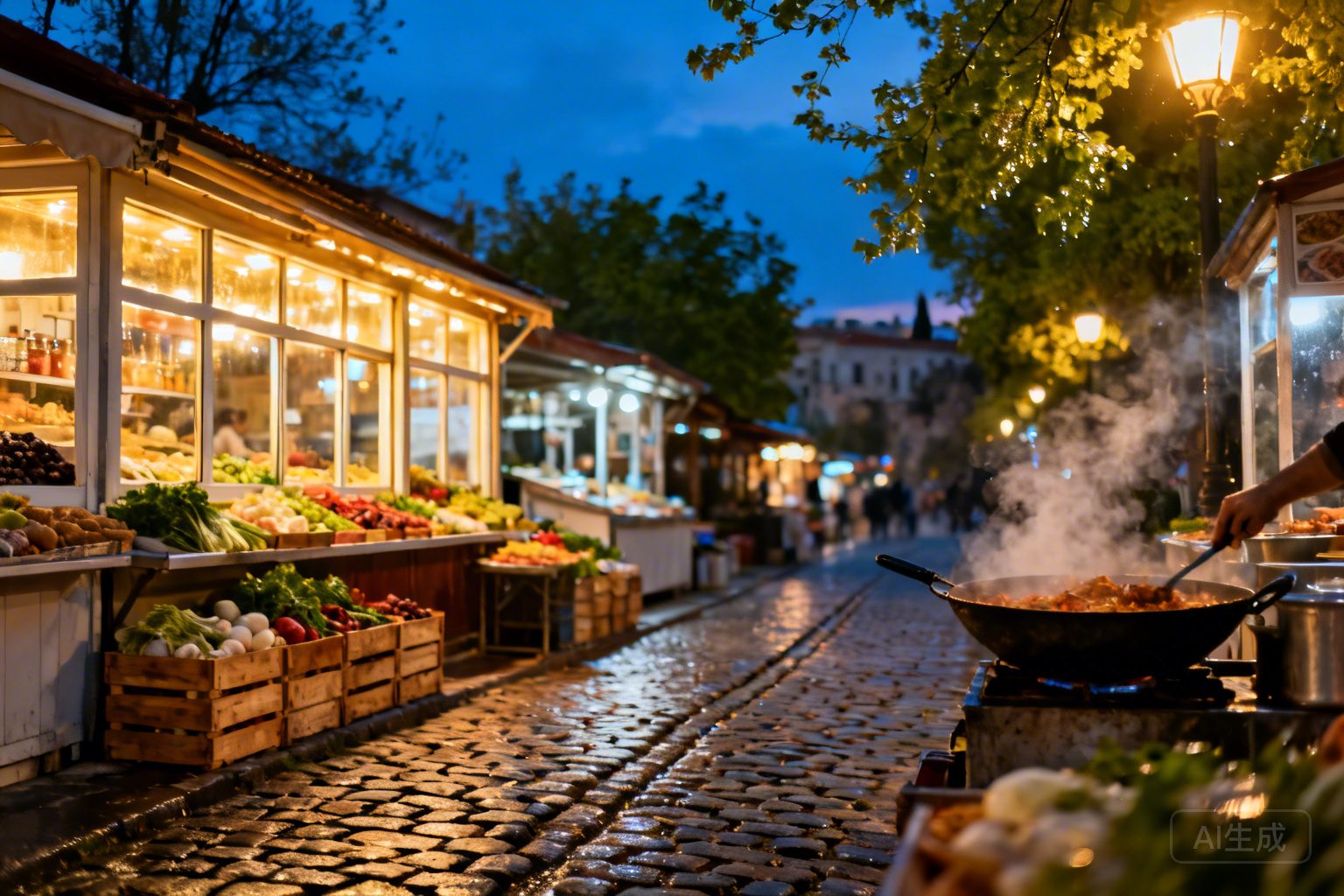
10 Jaw-Dropping Views of Palermo You Need to See to Believe!
The Gilded Fever Dream: Ten Perches Above the Chaos of Palermo
Palermo does not welcome you so much as it consumes you. It is a city of layered trauma and exquisite, defiant beauty, a place where the air smells of diesel fumes, fried chickpea flour, and the ancient, salty breath of the Tyrrhenian Sea. To see Palermo is to understand the physics of collapse; to see it from its heights is to witness a gold-leafed miracle rising from the rubble of a thousand years of conquest. I arrived when the heat was a physical weight, a humid blanket that smelled of overripe lemons and damp stone, carrying a notebook that would soon be stained with espresso and the dust of Baroque cathedrals.
You do not navigate this city with a map; you navigate it with your skin. You feel the temperature drop five degrees when you step into the shadow of a limestone palazzo, the peeling ochre paint flaking off like the skin of a sunburnt god. Here, the past isn’t a memory—it’s the foundational masonry. We begin at the crust, the street level, before ascending into the ether where the views turn the stomach and soothe the soul in equal measure.
1. The Rooftop of the Cattedrale di Palermo: A Forest of Stone
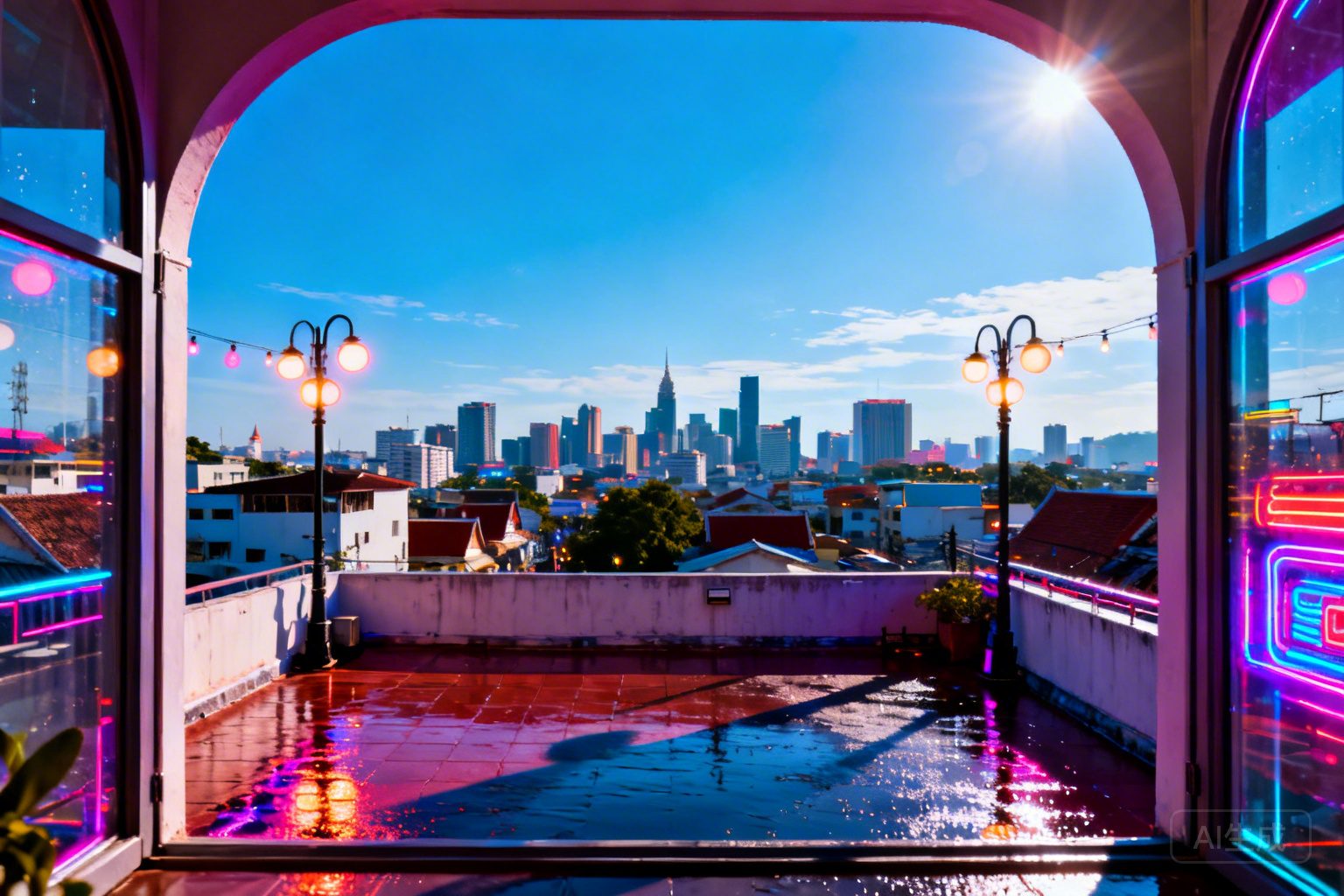
The climb is a claustrophobe’s penance. The spiral staircase is narrow, the stone steps worn into smooth, precarious bowls by centuries of pilgrim feet. My shoulder blades brushed against cold, damp masonry that felt like the interior of a ribcage. But then, the door opens. The light doesn’t just shine; it shouts. From the roof of the Cathedral, Palermo reveals itself as a terracotta sea. To the north, the domes of the city rise like the breasts of a sleeping giantess, clad in glazed tiles of emerald and lapis lazuli.
I stood next to a group of German tourists who looked remarkably distressed by the lack of guardrails. Near the edge, a young priest—his cassock fluttering like a raven’s wing—stood perfectly still, staring toward the sea. He didn’t look at the architecture; he looked at the horizon, his face a mask of practiced stoicism. Below us, the Corso Vittorio Emanuele was a narrow canyon of chaos. From this height, the frantic honking of Fiats was reduced to a melodic hum, a civic heartbeat. The texture of the roof itself is a marvel—weathered marble that feels like sun-warmed bone under your palms.