10 Places in Oaxaca That Will Steal Your Heart Forever!
The Indigo Hour in the Valley of the Clouds
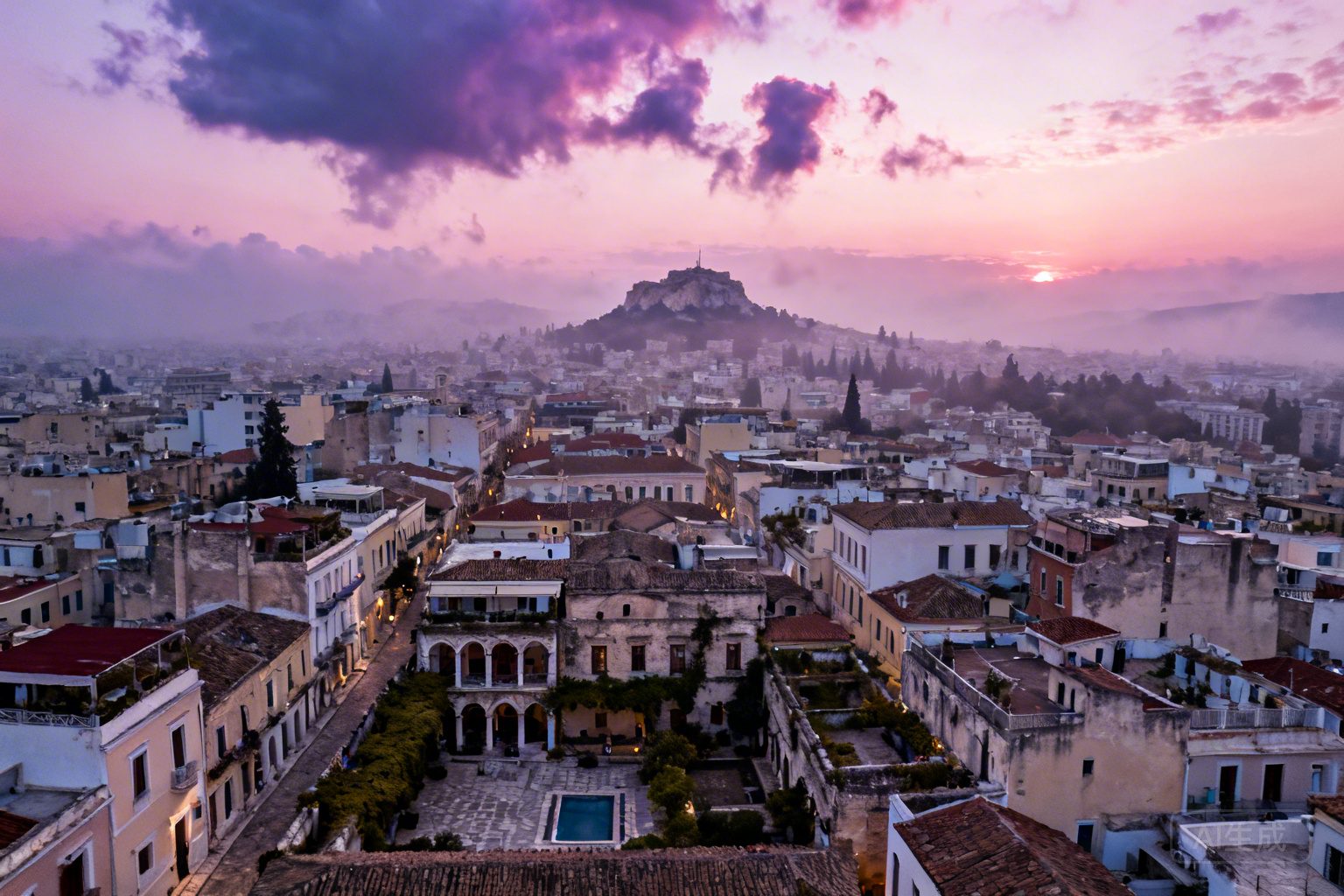
The light in Oaxaca City does not simply fade; it dissolves like an heirloom sugar cube into a glass of mezcal. It is a thick, amber syrup that coats the green volcanic stone—the cantera rosa—turning the architecture into something edible, something ancient and breathing. I am standing on the corner of Calle de Belisario Domínguez, where the wind smells of scorched corn husks and the exhaust of a rusted 1984 Volkswagen Beetle. The air here has a weight to it, a pressure that suggests centuries of prayers and revolutions are pressing against your chest. This is not a city you visit; it is a city that colonizes your senses until your own pulse begins to beat in time with the rhythmic thwack-thwack of palms against masa.
To understand Oaxaca, one must accept that time is a circular concept. The shadows of the Zapotec kings are just as present as the frantic office worker in a crisp white guayabera, checking his Rolex as he weaves through the crowds toward the Palacio de Gobierno. He is a blur of modernity against a backdrop of eternity. Oaxaca is a thief. It steals your cynicism, your itinerary, and eventually, your heart, leaving you with nothing but a handful of copal ash and a thirst for the smoke of the agave.
1. The Templo de Santo Domingo de Guzmán: A Gilded Fever Dream
The facade is a fortress of baroque defiance, but inside, the world turns to gold. I watched a silent monk—his habit a coarse, chocolate-colored wool that seemed to absorb the stray sunlight—move across the nave with the grace of a ghost. He didn’t look up at the Tree of Jesse sprawling across the ceiling, its branches heavy with polychrome figures of saints and ancestors. He didn’t need to. He knew the geometry of this devotion by heart. The air inside is ten degrees cooler than the street, smelling of ancient dust and the waxy, floral sweetness of spent candles.
Outside, on the ethno-botanical grounds, the cacti stand like green sentinels. Their needles are silvered by the midday glare. I ran my thumb over the peeling paint of a side door, a deep oxblood red that had flaked away to reveal layers of pale ochre underneath—a visual archaeology of the city’s aesthetic soul. This is the first place that takes a piece of you: the realization that beauty, when concentrated to this degree, is a form of violence.