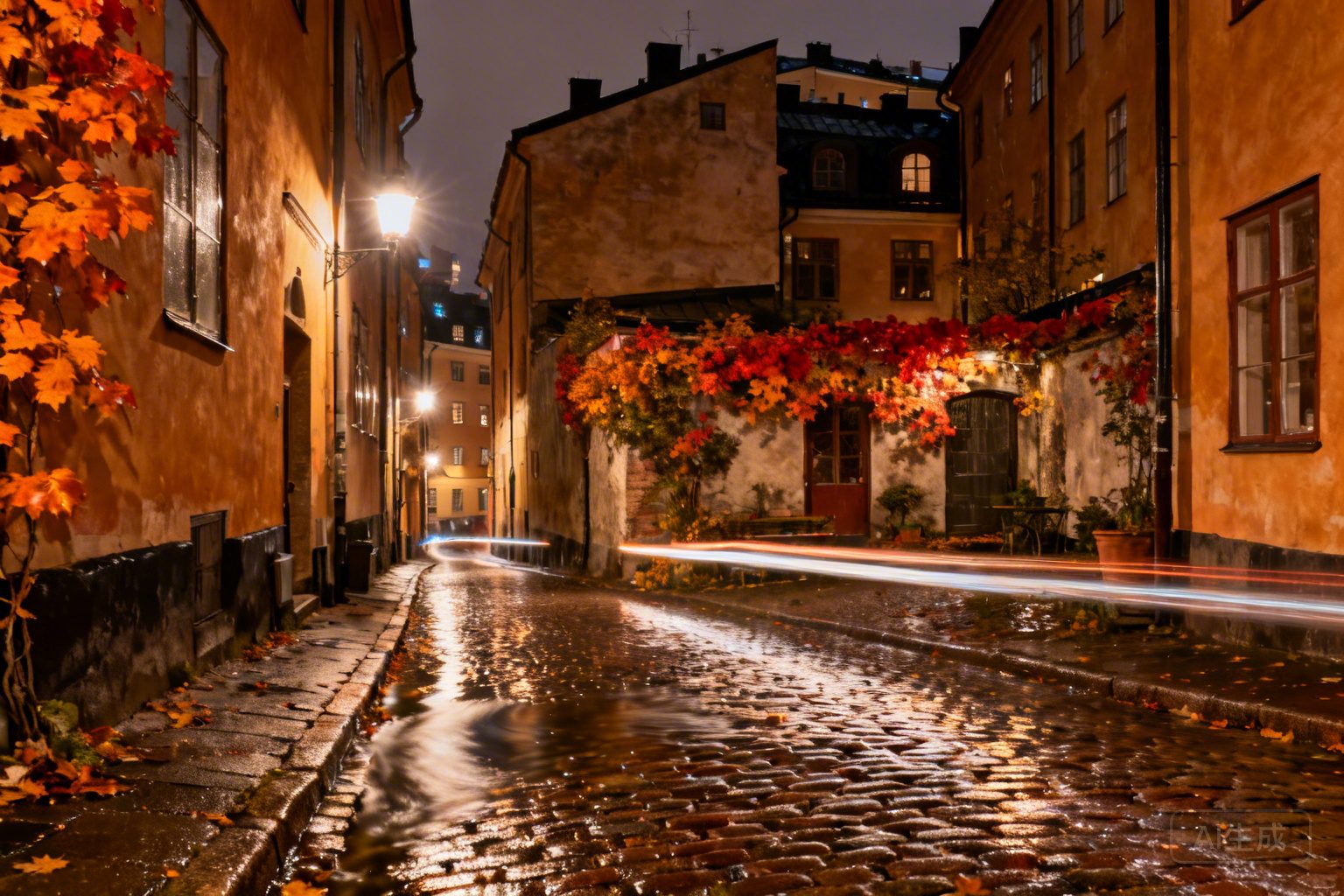
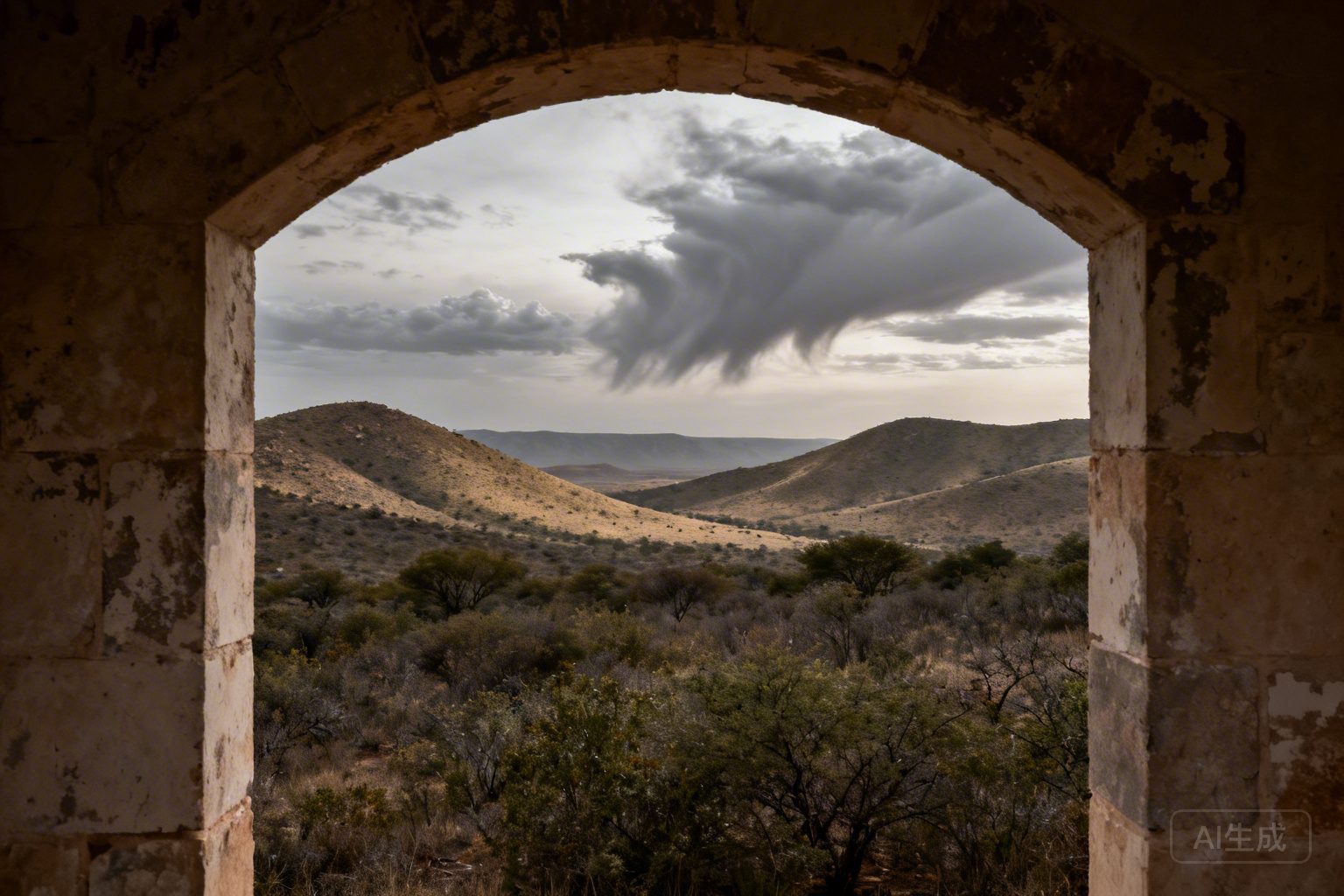
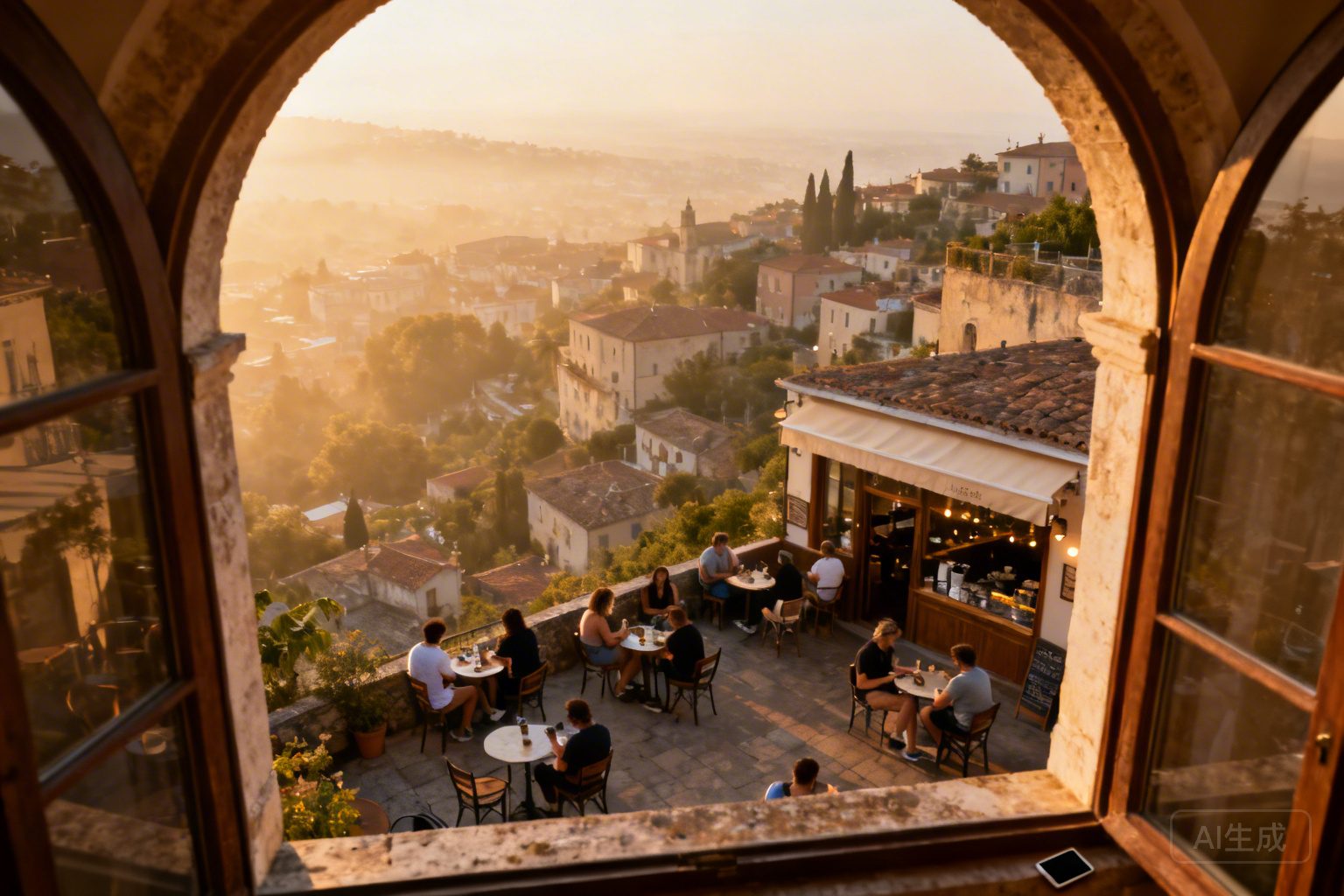
10 Reasons Why Arequipa is Even More Magical Than the Pictures!
The White City’s Slow Burn
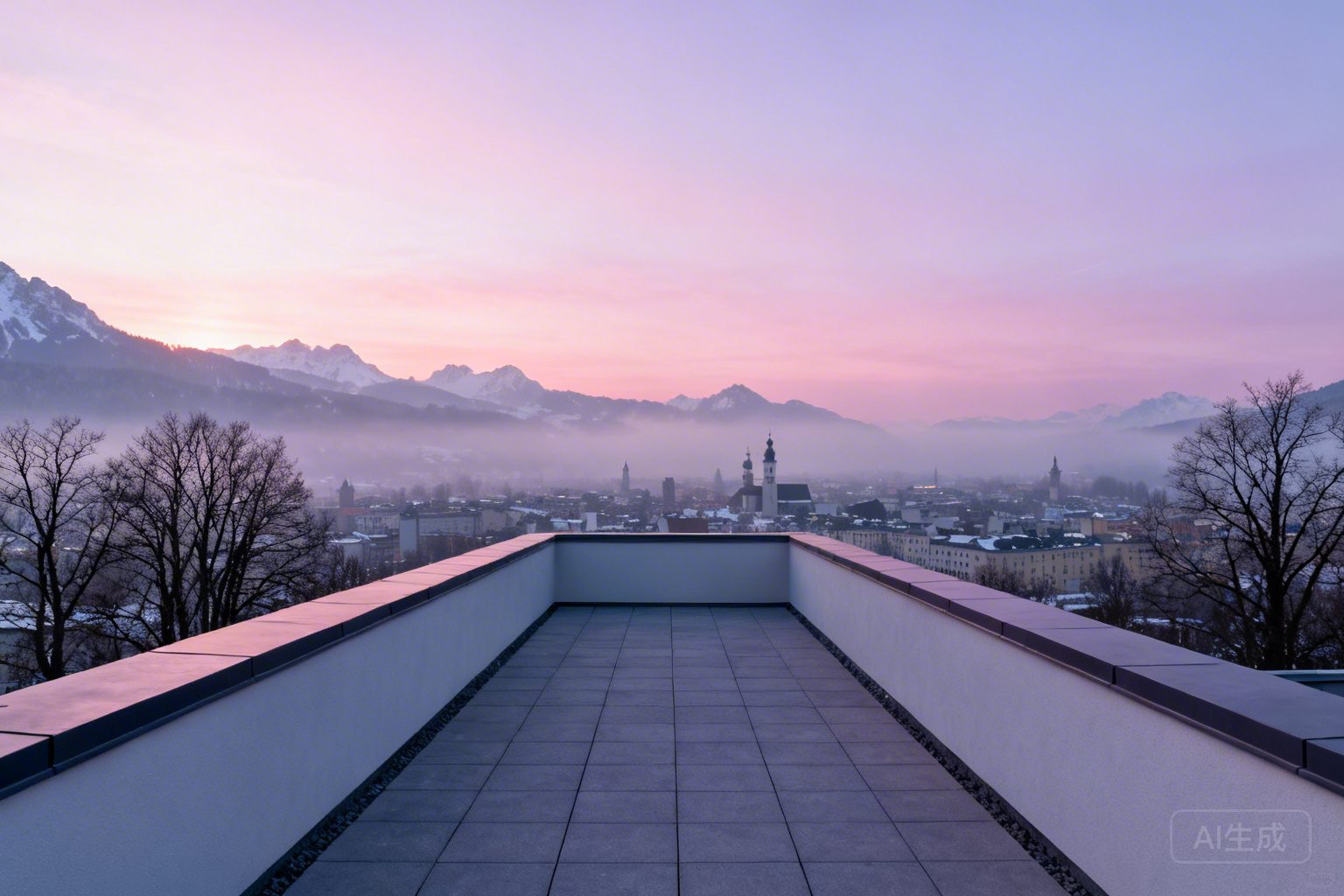
The descent into Arequipa is a lesson in geographical audacity. As the plane dips below the bruised purple clouds of the Andes, the Earth seems to crack open, revealing a valley of lush, stubborn green trapped within a fortress of volcanic fury. To the east, Misti looms—a cone so perfect it feels like a child’s drawing of a mountain, its peak dusted with a casual sprinkle of snow. But it is only when you step onto the tarmac, feeling the thin, crystalline air prickle your lungs, that the “White City” begins its seduction. It starts with the light. At 2,300 meters, the sun doesn’t just shine; it vibrates, bouncing off the sillar—that porous, volcanic rhyolite—until the city feels like it is glowing from some internal, radioactive heat. People tell you the pictures are beautiful. The pictures are lies. They are two-dimensional ghosts of a place that demands to be smelled, tasted, and felt against the palm of your hand.
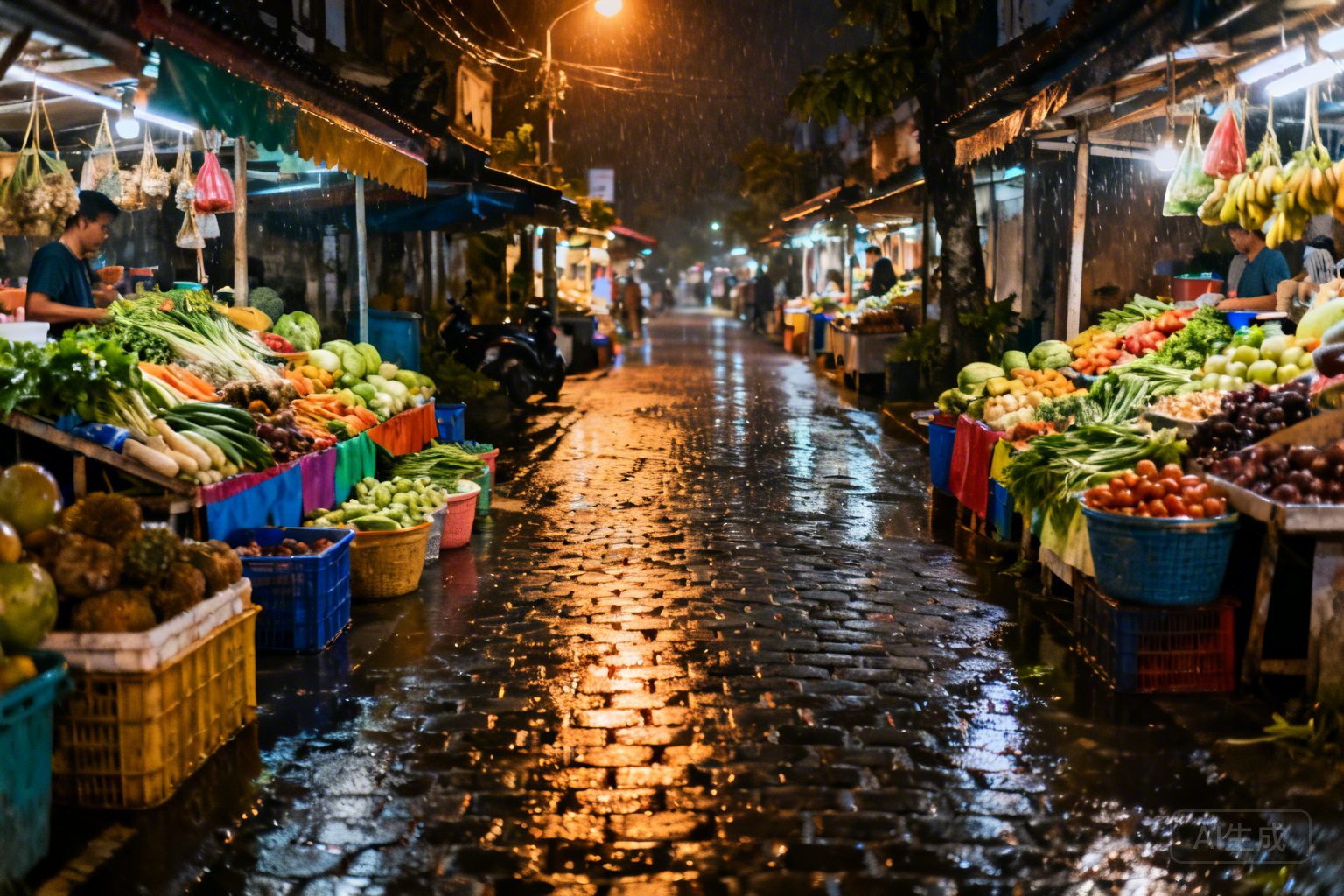
The first thing you notice isn’t the architecture, but the sound. It is a cacophony of small lives: the rhythmic shhp-shhp of a broom made of dried twigs against a stone patio, the distant, metallic whine of a taxi horn, and the melodic, rising inflection of a street vendor selling queso helado. “Leche, canela, coco!” she cries, a rhythmic liturgy that anchors the morning. This is not the Cusco of neon trekking jackets and oxygen canisters. This is Arequipa. It is older, prouder, and infinitely more complicated.
1. The Tactile Geometry of Sillar
To understand Arequipa, you must touch the walls. Sillar is not merely a building material; it is the city’s frozen soul. It is white, yes, but a white that contains a thousand secrets—flecks of grey ash, microscopic bubbles of trapped volcanic gas, and the occasional fossilized imprint of a leaf that died centuries before the Spanish arrived. As you walk down Calle Santa Catalina, run your fingers along the facades. The stone is cool, despite the sun. It has a texture like petrified sponge, slightly abrasive, porous enough to drink the humidity of your skin.
In the Plaza de Armas, the sillar takes on a regal arrogance. The arches of the portals are carved with a precision that defies the brittle nature of the rock. Here, the architecture is “Andean Baroque,” a fever dream where Catholic iconography crashes into indigenous mysticism. Look closely at the pillars. You will see angels with the faces of Quechua children and jungle vines entwining Spanish crosses. It is a visual representation of a city that was conquered but never truly tamed.