10 Reasons Why Bogotá is the Perfect Destination for a Girls’ Trip!
The High-Altitude Hum of the Athens of the South
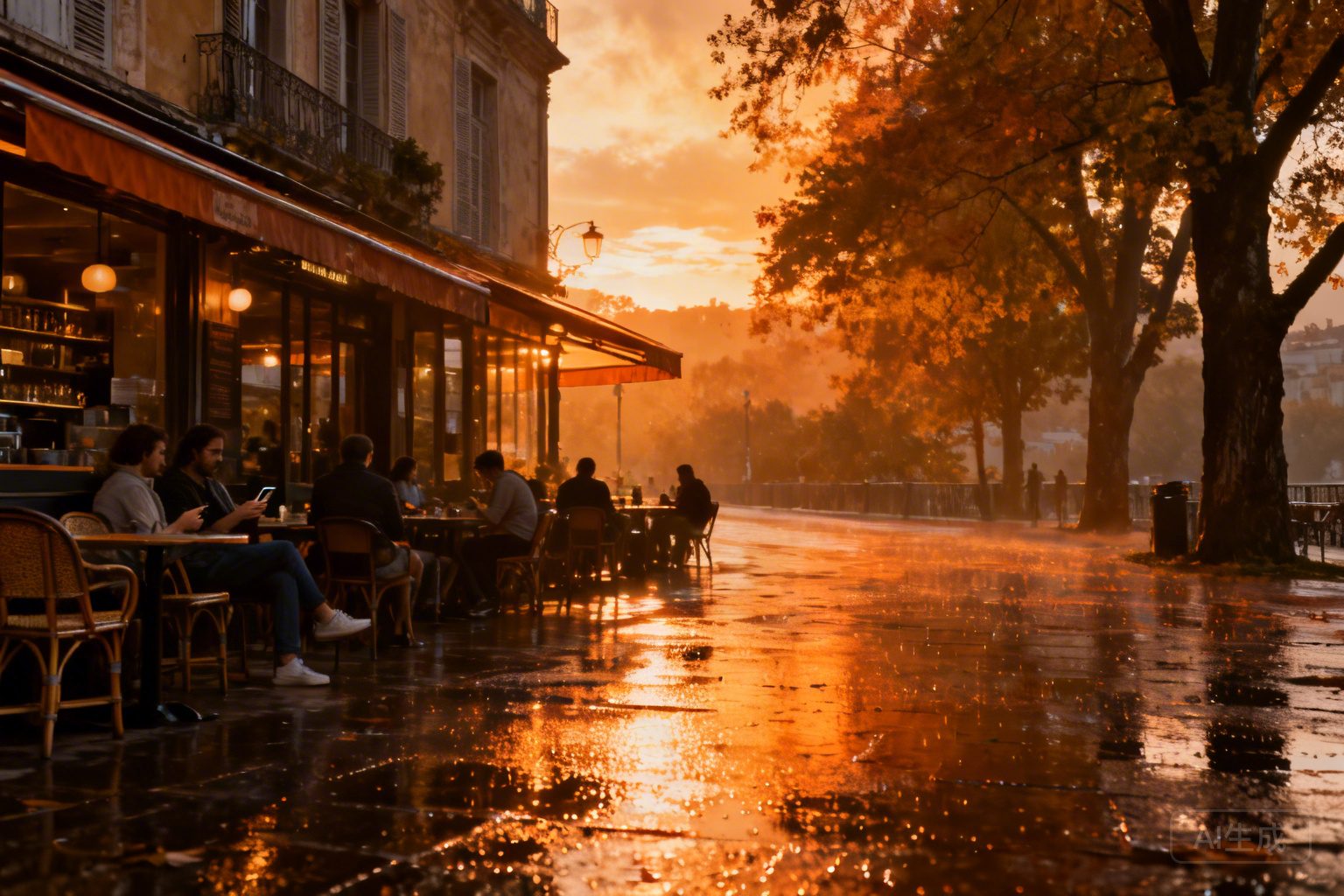
The air in Bogotá does not merely sit; it vibrates. At 2,640 meters above the brine of the sea, the atmosphere possesses a thin, metallic clarity that makes every color punch harder against the retina. We arrived as a trio—three women carrying the residual exhaustion of northern winters—and were immediately met by a wind that tasted of eucalyptus and diesel. It is a city that requires a certain lung capacity and a specific kind of surrender. You do not conquer Bogotá; you let its chaotic, sophisticated, and soot-stained rhythm colonize your heartbeat. For a girls’ trip, it is the ultimate crucible: a place where the coffee is dark enough to solve existential crises and the nightlife is a fever dream of brass instruments and aguardiente.
1. The Vertical Geometry of Monserrate
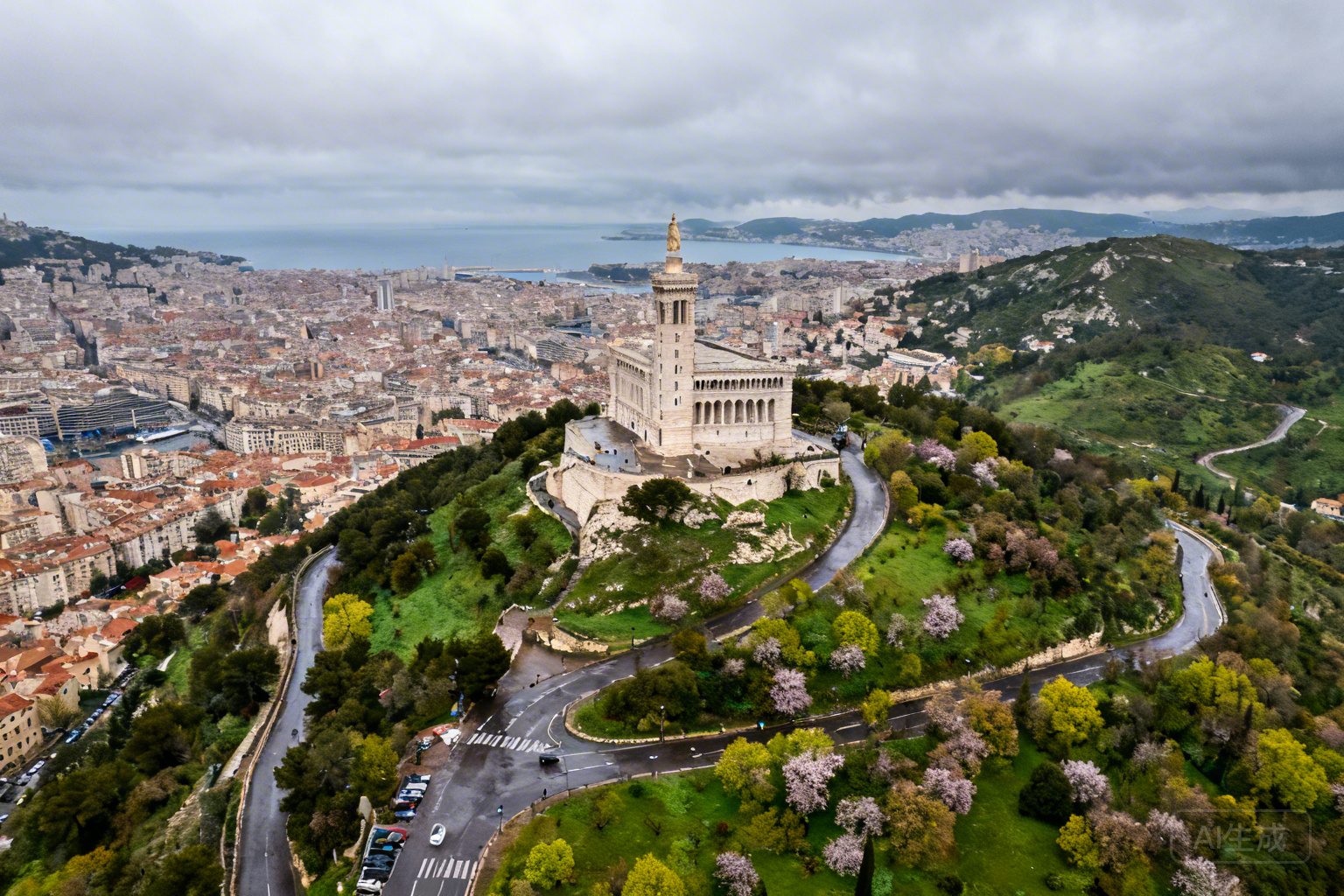
The morning is a pale wash of grey-blue. We stand at the base of the funicular, watching the cable cars ascend into the mist like small, mechanical beetles. To the left, a street vendor with skin the texture of a sun-dried plum is hacking the top off a green mango with a machete that has seen three decades of service. He sprinkles salt and lime with a practiced, dismissive flick of the wrist. The climb is a sensory transition. As the city floor recedes, the roar of the TransMilenio buses—those red articulated veins of the city—fades into a muffled hum. At the summit, the 17th-century shrine sits heavy and white against the darkening clouds. We walk through the gardens where the air is five degrees colder, sharp enough to make the nostrils sting. A silent monk passes us, his robes the color of wet earth, his eyes fixed on a point three inches in front of his sandals. He represents the old Bogotano soul: ascetic, enduring, and unmoved by the frantic snapping of selfies by teenagers in neon puffer jackets. From this height, the city is an infinite carpet of terracotta and concrete, stretching toward the savanna until it dissolves into the haze. It is the perfect place to realize how small your problems are.
Gravity feels different here.
2. The Polished Chaos of La Candelaria
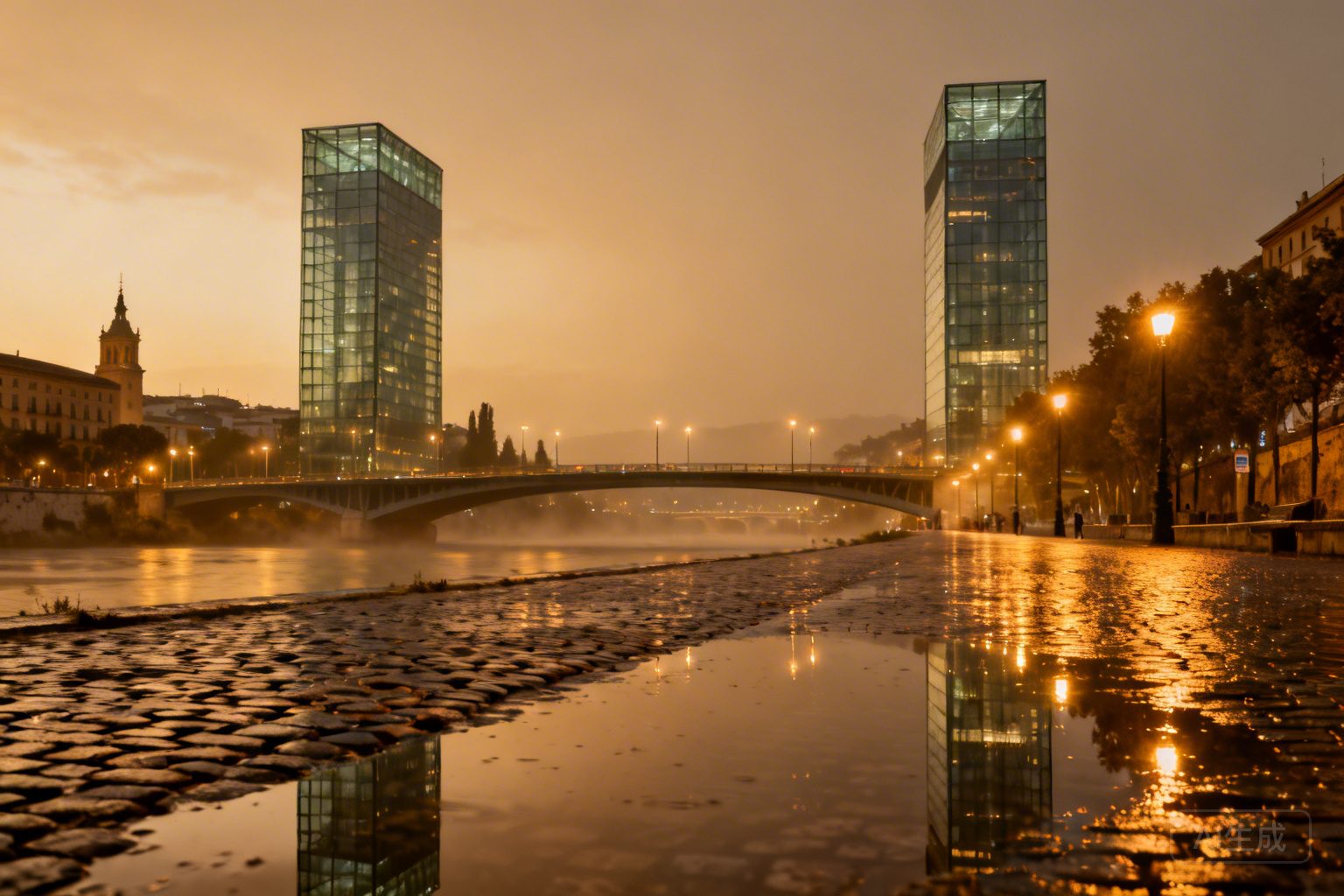
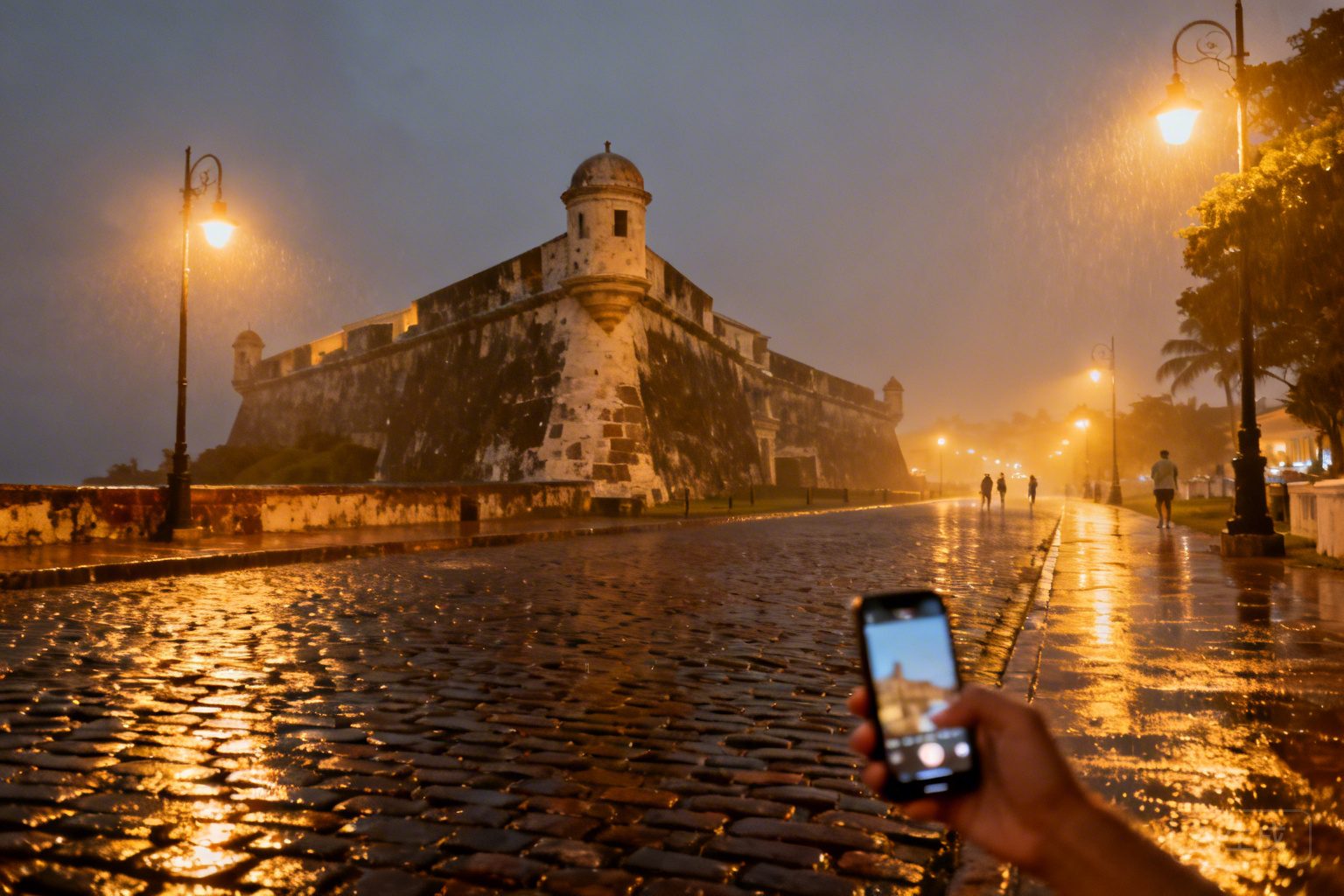
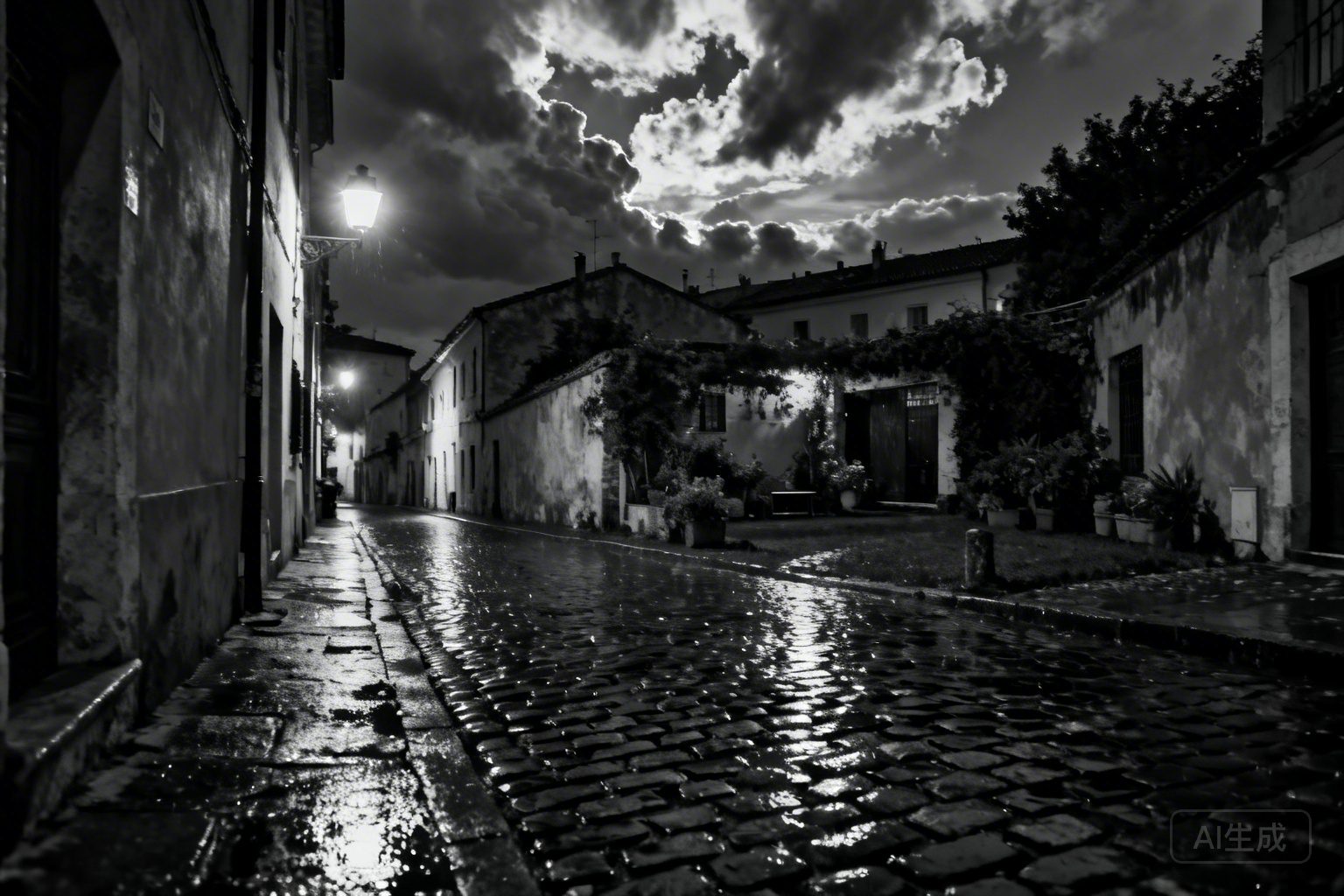
We descend into the historic heart, where the cobblestones are slick with a sudden, ephemeral drizzle—the “prizúa” that defines Bogotá’s temperamental climate. La Candelaria is a labyrinth of gravity-defying colonial houses painted in shades of bruised plum, turmeric, and oxblood. The paint on a hundred-year-old door peels back in curls, revealing layers of history like the rings of a tree. We pass a wall where a mural of an indigenous woman with emerald eyes stares back at us, her face rendered in spray paint so vibrant it seems to pulse. A brusque waiter, wearing a waistcoat that has lost its sheen but none of its dignity, gestures us into a doorway. He doesn’t smile; he merely exists as a gatekeeper to a courtyard filled with the scent of damp ferns and woodsmoke. Here, the “Chicha”—a fermented corn liquor—tastes of fermented earth and ancient secrets. We drink it from ceramic bowls, feeling the slow burn of the Andes in our throats. The conversation turns to the ghosts of the viceroyalty, the whispers of revolution that still seem to echo off the thick stone walls. It is a district for poets and conspirators.
3. The Liquid Gold of the Museo del Oro
Inside the Museum of Gold, the lighting is surgically precise. We move through darkened chambers where thousands of pre-Hispanic gold artifacts float in the gloom. It is not just the wealth that stuns, but the craftsmanship—the delicate hammered wings of a golden bird, the fierce geometry of a pectoral ornament meant to turn a chieftain into a sun god. The air is climate-controlled and sterile, a sharp contrast to the grit of the street outside. We find ourselves standing before the Muisca Raft, a tiny, intricate masterpiece that birthed the legend of El Dorado. It is a silent testament to an obsession that nearly destroyed a continent. As we stare at the tiny gold figures, a frantic office worker in a sharp grey suit rushes past, checking a shimmering smartwatch. The juxtaposition is jarring: the eternal gold and the fleeting schedule. For a group of women, this space is a masterclass in the power of adornment as an expression of the divine.