10 Reasons Why Busan is the Perfect Destination for a Girls’ Trip!
The Salt-Stung Jewel: Why Busan is the Only Answer for the Modern Sisterhood
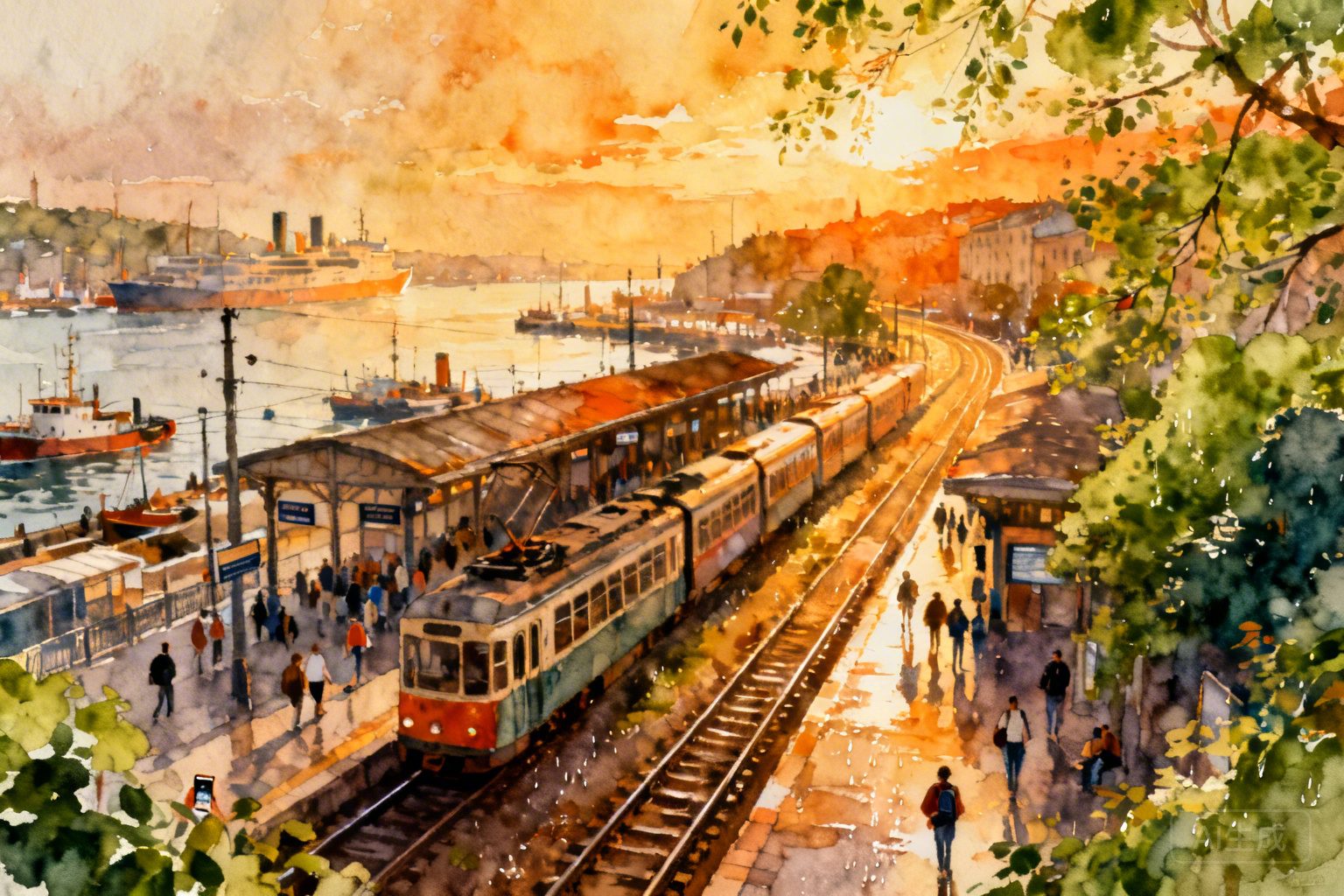
The KTX bullet train from Seoul doesn’t just transport you; it recalibrates your internal clock. As the sleek, white nose of the locomotive slices through the humid air of the peninsula, the frantic, neon-slicked anxiety of the capital begins to dissolve. By the time we pull into Busan Station, the air has changed. It is thicker here, heavy with the scent of drying kelp, diesel exhaust, and the sharp, alkaline tang of the East Sea. My three companions—women who have weathered a decade of corporate skirmishes and broken hearts alongside me—step onto the platform, squinting against a sun that feels more honest than the one in the north. This is a city of granite mountains diving headlong into the surf, a place where the dialect is gruff and the hearts are famously warm. It is the perfect stage for a girls’ trip because Busan does not demand performance; it demands presence.
1. The Vertical Kaleidoscope of Gamcheon
We began our pilgrimage at the foot of Gamcheon Culture Village. To call it the “Machu Picchu of Busan” is a tired cliché that does a disservice to its gritty, technicolor reality. We ascended the staircases—steep, unforgiving things carved into the hillside—where the paint on the banisters peeled like sunburnt skin, revealing layers of mint green, salmon pink, and a blue so deep it mimicked the horizon. In the 1950s, this was a place of refuge for those fleeing the war, a huddled mass of shacks built on hope and desperation. Today, it is a labyrinth of art, but the ghosts of the past still linger in the narrowness of the alleys.
I watched an elderly woman, her back curved like a shrimp, methodically hang laundry on a line that stretched across a gap no wider than a doorway. Her movements were silent, practiced, a stark contrast to the giggling teenagers posing in rented 1920s-era school uniforms three meters away. The wind at the summit caught the scent of woodsmoke and laundry detergent. It was here, overlooking the chaotic tumble of pastel houses, that we realized the first rule of Busan: beauty is earned through the climb.
The city doesn’t hide its scars.
2. The Gospel of the Gukbap
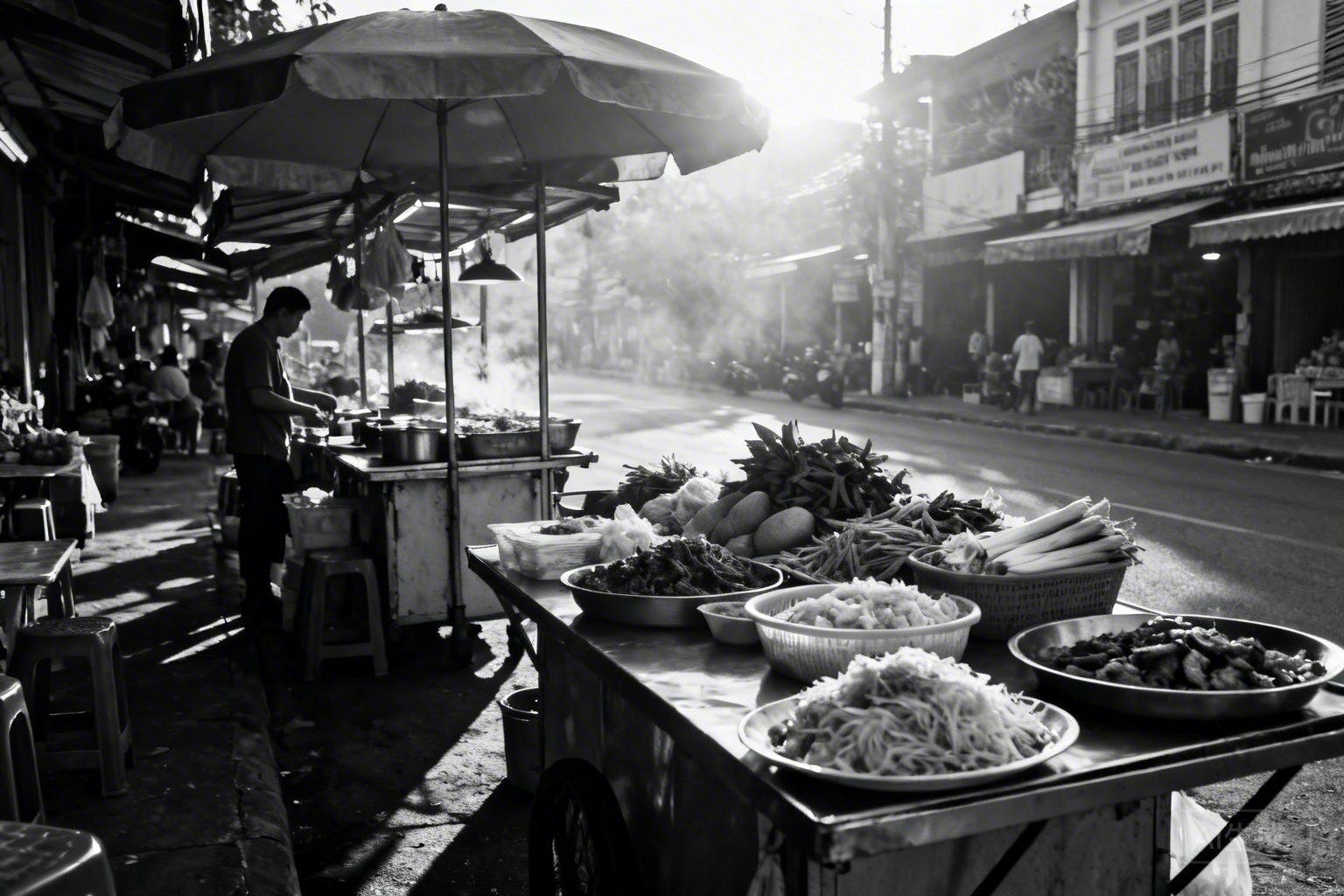
Breakfast in Busan is not an avocado-toast affair. It is a baptism in pork broth. We found ourselves in a cramped stall near Seomyeon, the walls yellowed by decades of steam and the rhythmic thunk of a heavy cleaver against a weathered wooden block. The waiter, a man whose face was a map of deep-set wrinkles and whose apron was a canvas of splatter-marks, didn’t ask for our order. He simply pointed to the simmering cauldron and grunted, “Dwaeji Gukbap.”