10 Reasons Why George Town is Even More Magical Than the Pictures!
The Humidity of History: Why George Town Defies the Lens
The plane touched down at Bayan Lepas in a blur of bruised purple clouds and the kind of humidity that doesn’t just sit on your skin—it introduces itself, shakes your hand, and moves into your lungs. To look at a photograph of George Town, Penang, is to see a curated postcard of pastel-hued shophouses and whimsical street art. The camera lens, however, is a notorious liar. It filters out the scent of fermented shrimp paste blooming in the midday heat and the cacophony of a thousand rusted motorbike mufflers competing with the rhythmic thwack-thwack-thwack of a street vendor chopping roasted duck. To truly understand why this UNESCO World Heritage site is more magical than its digital ghost, you must be willing to sweat. You must be willing to get lost in the labyrinth where the 18th century bumps shoulders with the 21st, and the paint peels in patterns that no Instagram filter could ever replicate.
I stepped out of a battered taxi onto Chulia Street, the asphalt still radiating the afternoon’s solar anger. Here, the air is thick with the ghosts of East India Company sailors and Hokkien merchants, a maritime trade legacy that carved this city out of the jungle. It is a place of beautiful decay. The magic isn’t in the perfection; it is in the spectacular, unapologetic entropy.
1. The Patina of Authentic Decay
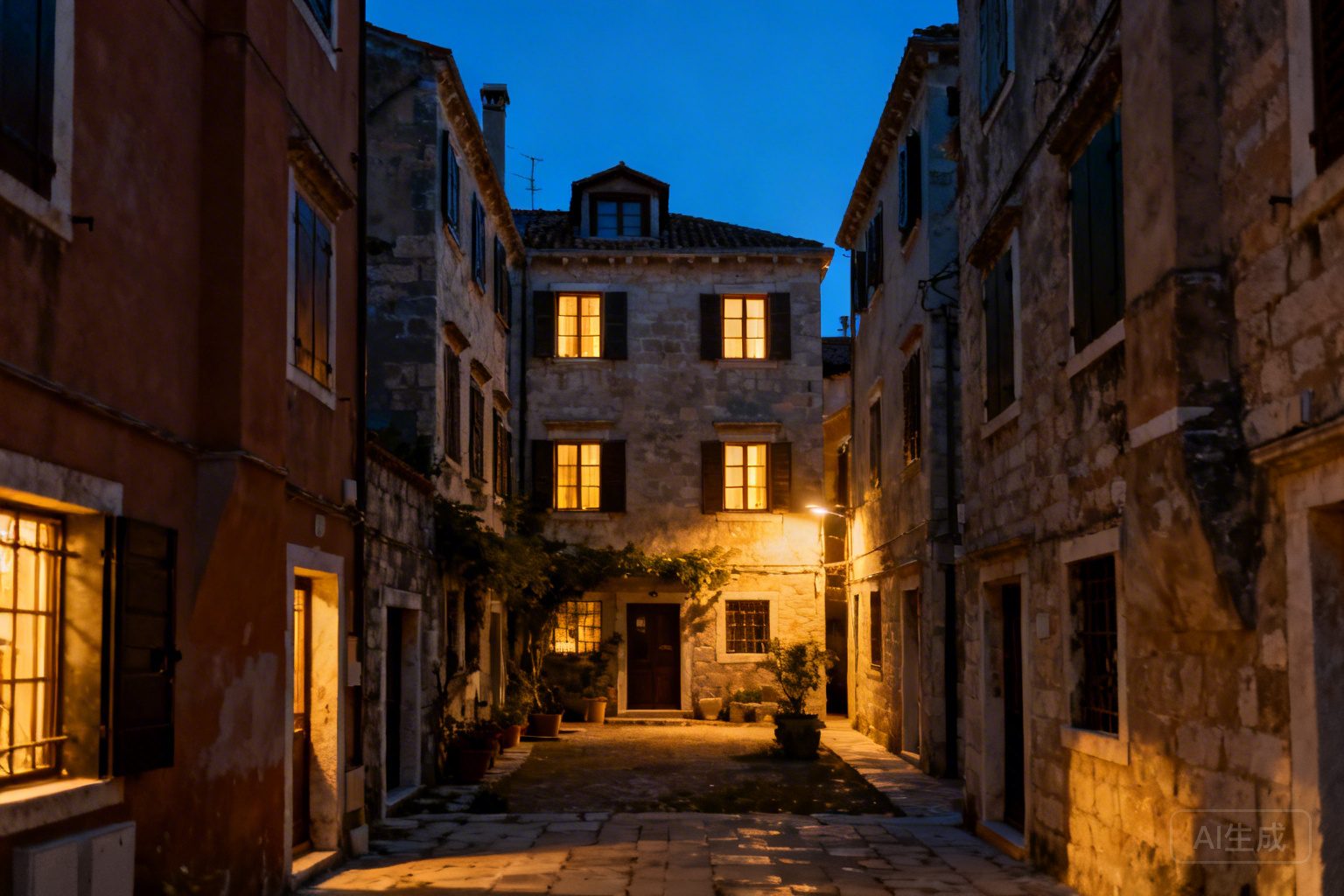
In the digital world, George Town looks pristine. In reality, it is a glorious mess of crumbling lime plaster and exposed brick. Walk down Love Lane—a street whose name belies its gritty, mercantile roots—and run your hand along a 100-year-old door. The wood is often teak, scarred by decades of monsoons and salt air, the grain rising like a topographical map. The paint doesn’t just flake; it sheds its history in thick, brittle scales of cerulean and ochre.
I watched an elderly man, his skin the color of polished mahogany and mapped with just as many lines as the walls around him, lean against a pillar. He was smoking a hand-rolled cigarette, the grey plume rising to meet the tangled bird’s nest of black electrical wires overhead. The wires are everywhere—chaotic, pulsing veins of energy that the cameras usually crop out. But they are essential. They hum with the literal current of the city, a sharp contrast to the silent, stoic stone of the clan houses.