10 Reasons Why Hamilton is the Perfect Destination for a Girls’ Trip!
The Steel and the Silk: A Long-Form Odyssey into the Heart of Hamilton
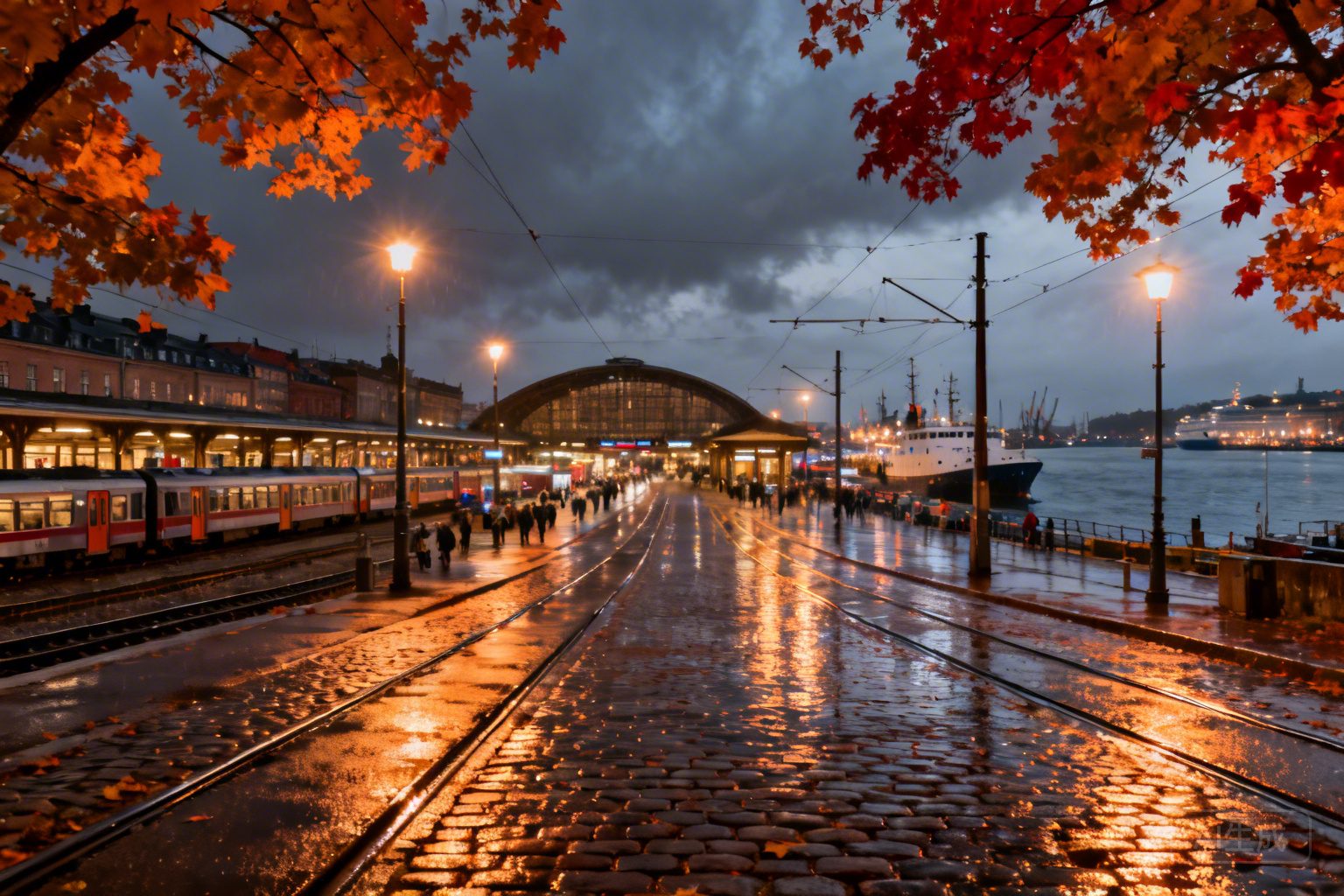
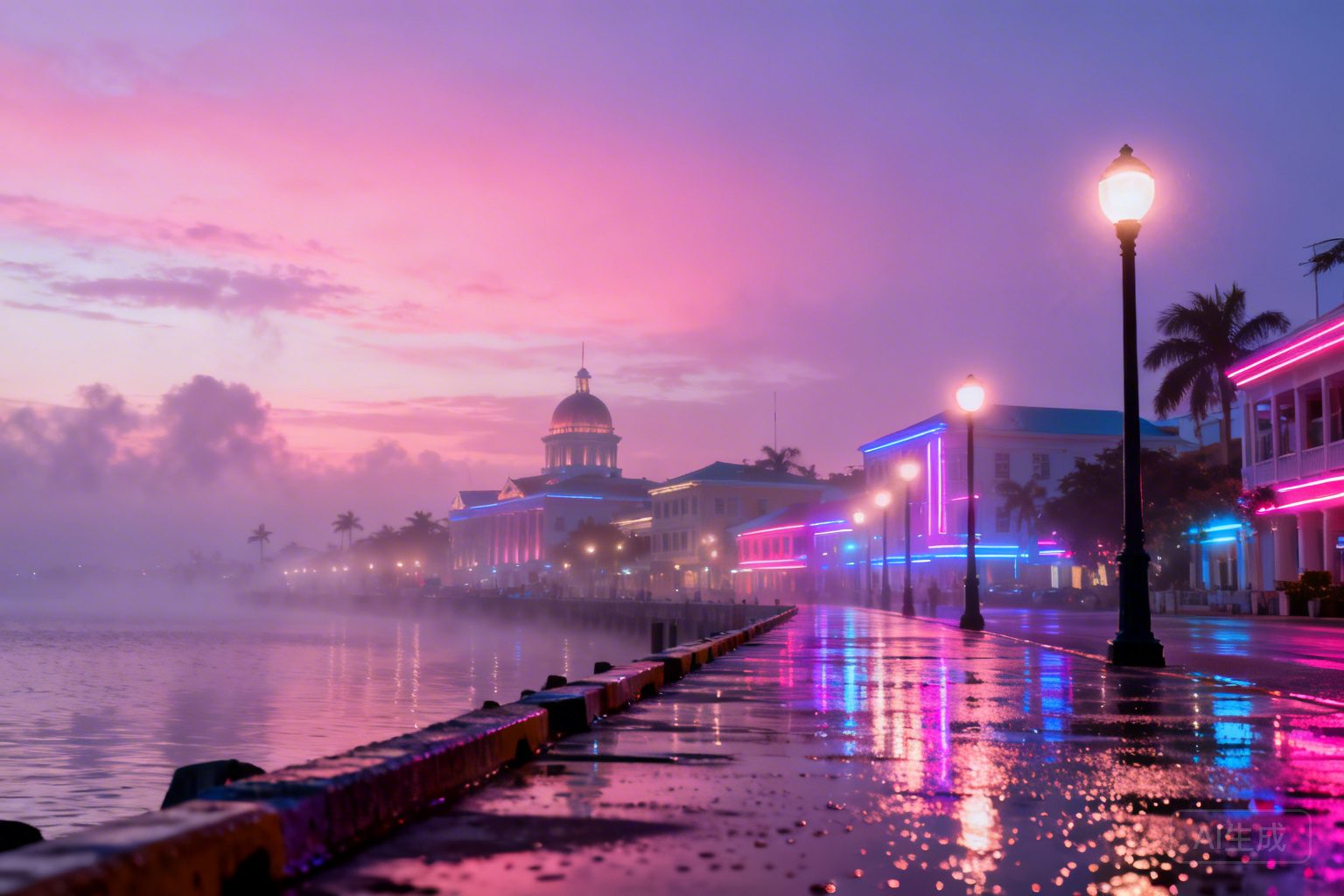
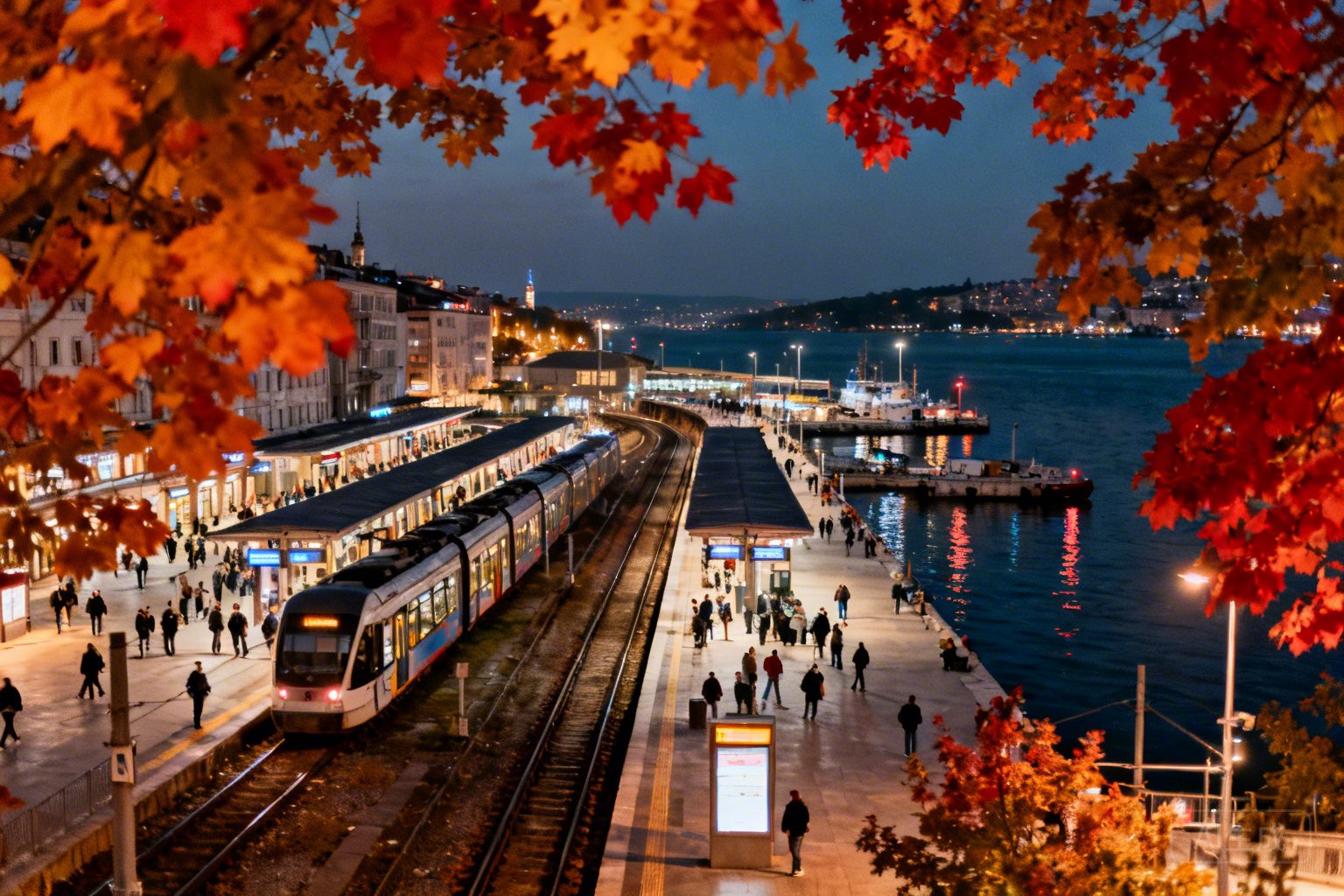
The dawn over Burlington Bay does not break; it hemorrhages, a slow-motion spill of violet and bruised apricot leaking across a horizon punctuated by the skeletal silhouettes of industry. To the uninitiated, the skyline of Hamilton, Ontario, is a jagged graph of mid-century ambition and rust-belt grit. But as the GO train sighs to a halt at the West Harbour station, the air carries a scent that defies the steel-town cliché—a sharp, bracing cocktail of lake water, roasting espresso beans, and the faint, vegetal musk of the Escarpment’s damp limestone. My three companions, draped in oversized cashmere and clutching leather weekenders with the weary grace of seasoned travelers, step onto the platform. We aren’t here for the polished artifice of Toronto’s glass canyons. We are here for the friction. Hamilton is a city of layers, a place where the patina of 19th-century brick meets the neon pulse of a modern renaissance.
1. The Geographic Ambiguity of the James North Corridor
We begin where the pulse is loudest. James Street North is a tectonic plate of culture, shifting beneath our feet. The sidewalk is a mosaic of cracked concrete and artisanal slate. Here, the “Hamilton Gentleman”—a specific breed of silver-bearded man wearing a heavy denim apron and smelling of cedar shavings—nods brusquely as he buffs a vintage motorcycle. He is silent, his hands stained with oil and ink, a living monument to the city’s manual lineage.
Walking this stretch is an exercise in sensory whiplash. One moment, you are passing a storefront where the paint is peeling in long, curled ribbons like dried cinnamon, revealing the pale ghost of a 1920s grocery sign. The next, you are ushered into a white-walled gallery where the silence is so profound it feels pressurized. This is the first reason Hamilton seduces the female traveler: it demands an attention to detail. It is not a city that hands you its beauty on a silver platter; it makes you hunt for it in the shadows of the alleyways. We stop at Saint James, where the steam from the espresso machine hisses like a cornered cat. The waiter, a man whose brusqueness feels like a localized dialect, slides plates of eggs across the marble with the efficiency of a croupier. He doesn’t ask if we want more water; he simply perceives the void and fills it.
2. The Ghost of the Royal Connaught
History here isn’t kept in museums; it is lived in. The Residences of Royal Connaught stand as a sentinel of Edwardian grandeur, its lobby a cavern of polished marble and whispers. We find ourselves tracing the brass railings, our fingers catching on the cool, pitted metal. Local legend suggests that the spirits of gala-goers from the 1930s still linger in the ventilation shafts, their laughter muffled by decades of drywall.