10 Reasons Why Jaipur is the Perfect Destination for a Girls’ Trip!
The Pink City Without the Filters
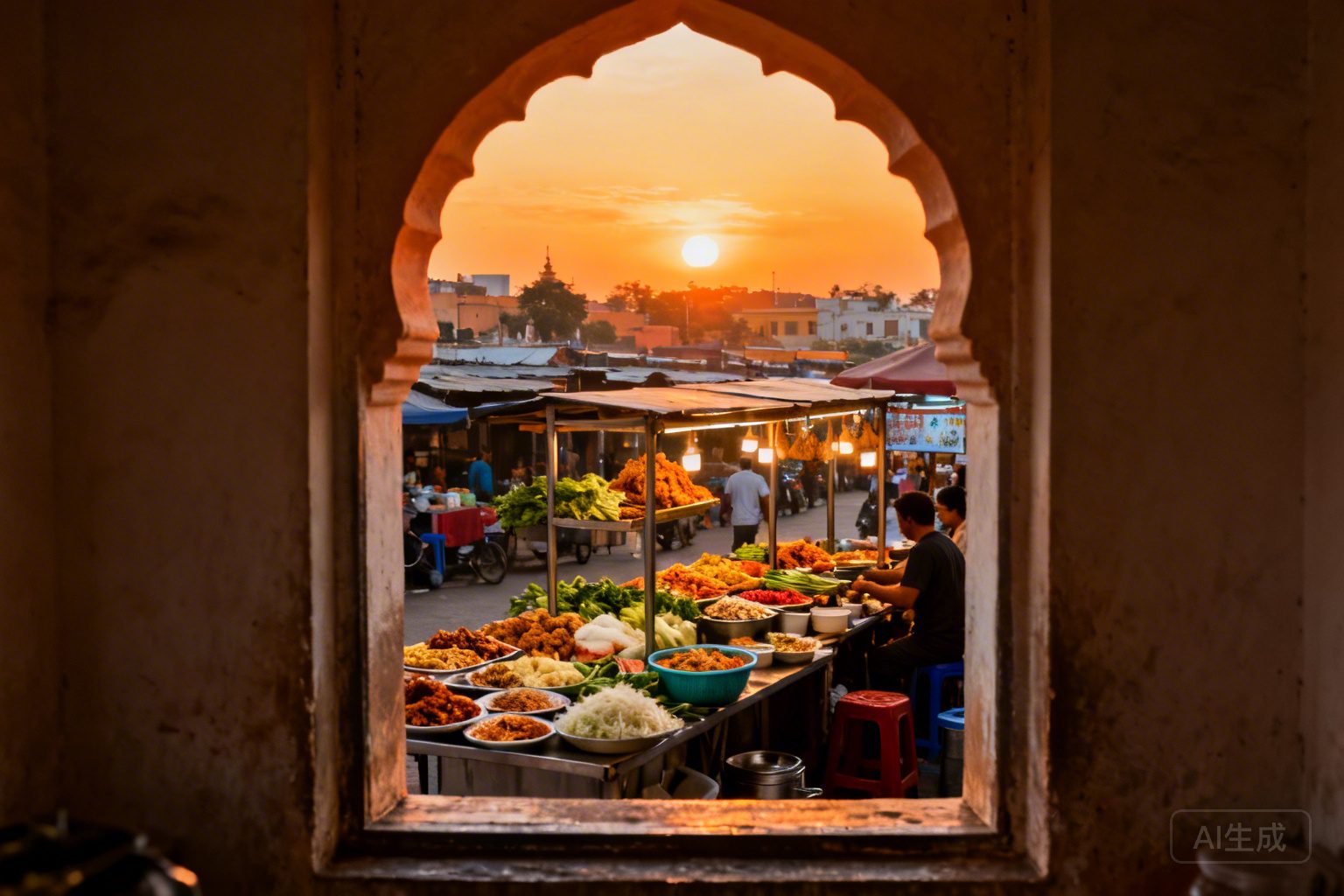
I’ve been living in Jaipur for four months now, and I’ve learned one thing: the version of this city you see on Instagram—all flowing dresses at the Patrika Gate and perfectly symmetrical doorways—is a beautiful lie. It’s not that those places aren’t stunning; it’s just that they have nothing to do with the actual soul of the place. If you’re planning a girls’ trip here, don’t come for the photos. Come because this is one of the few places in India where the chaos feels curated, where the ancient and the digital nomad lifestyle clash in a way that actually works.
Most travelers do the “Golden Triangle” sprint. They spend 48 hours here, get hassled by a rickshaw driver near the Hawa Mahal, buy a questionable pashmina, and leave. They miss the subculture. They miss the quiet courtyards in C-Scheme where the WiFi is faster than in London, and they miss the rooftop bars in Malviya Nagar where the local fashion students hang out. This is a guide for the girls who want to disappear into the fabric of Jaipur, to live like a local, and to understand why this city is the ultimate sanctuary for a group of women traveling together.
1. The Safety Net and the Unwritten Rules
The first thing you need to know about Jaipur is the “Look.” It’s not a stare of judgment; it’s a stare of curiosity. As a group of women, you will be noticed, but Jaipur is remarkably safe if you understand the local etiquette. There’s an unwritten rule here: respect is a currency. Unlike Delhi, which can feel aggressive, Jaipur has a slower, Rajput-influenced dignity.
The Tipping Culture: It’s not mandatory, but it’s expected in small increments. If you’re at a cafe, 10% is plenty. If you’re using a regular rickshaw driver, rounding up the fare by 20-30 rupees will make you a “regular” in their eyes, and they will look out for you. The Queueing Reality: There are no lines. Or rather, the line is a suggestion. If you stand back and wait for your turn at a local kachori shop, you will never eat. You have to lean in—literally. Shoulders forward, money in hand, eye contact with the server. It’s not being rude; it’s being present.