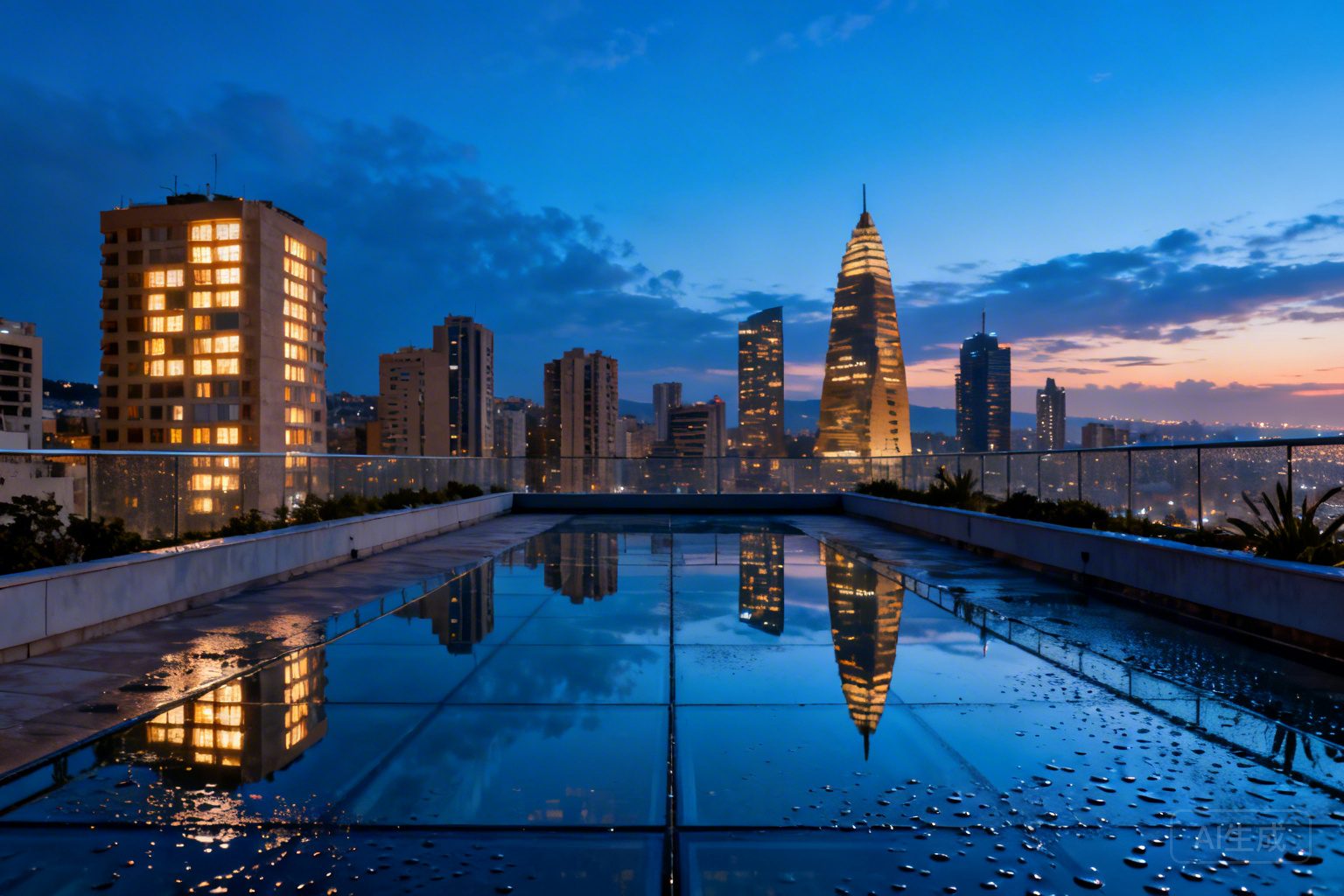
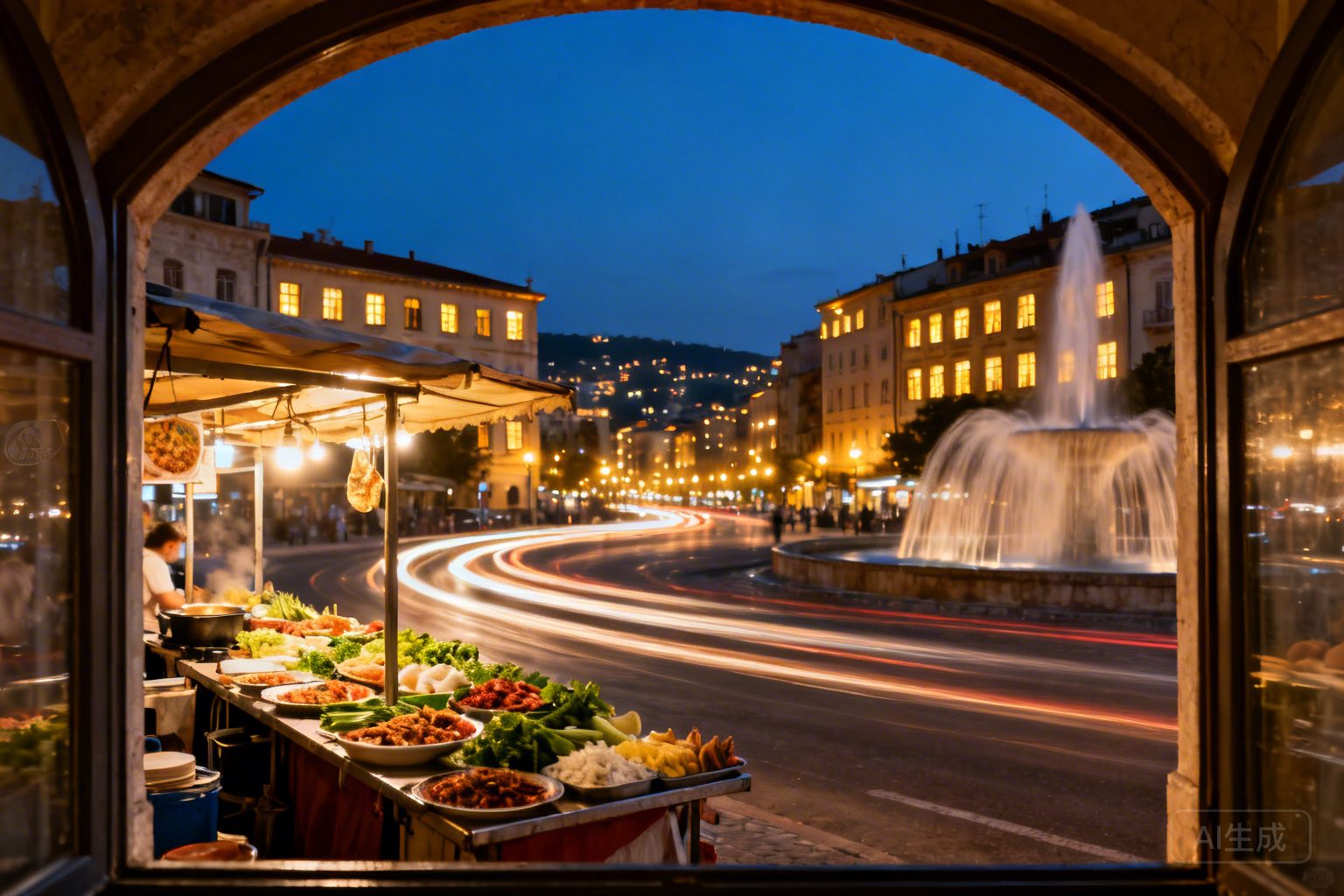
10 Reasons Why La Paz is Even More Magical Than the Pictures!
Introduction: The Vertical Capital of the World
Most travelers treat La Paz, Bolivia, as a 48-hour pitstop on their way to the Uyuni Salt Flats. As a veteran consultant who has spent over a decade navigating the Altiplano, I am here to tell you that is a strategic failure. La Paz is a high-altitude fever dream—a city that defies physics, logic, and your cardiovascular capacity. It is the only place on earth where the poor live at the top of the world with the best views, and the wealthy live in the valley to breathe thicker air.
The pictures you see on Instagram are flat. They don’t capture the smell of roasting Salteñas, the thin, electric buzz of the 3,600-meter air, or the chaotic symphony of mini-bus drivers shouting destinations. This guide is your masterclass in navigating “The City that Touches the Sky” without making the amateur mistakes that land most tourists in a clinic with altitude sickness or an empty wallet.
1. The Mi Teleférico System: Urban Logistics as High Art
The Mi Teleférico isn’t just a commute; it is the most efficient urban transit system on the planet. While other cities struggle with subways, La Paz built a network of silent, electric gondolas that glide over the chaos. This is why the city is more magical than the photos: you aren’t just looking at the city; you are floating through its veins.
Technical Fact Sheet: Mi Teleférico (Lineas Roja, Amarilla, Verde)
- Opening Hours: Monday–Saturday: 06:00 – 21:00; Sunday: 07:00 – 21:00.
- Best Arrival Time: 17:15 (To catch the “Golden Hour” over Mount Illimani).
- Pricing: 3 BOB ($0.43 USD) for a single trip; 5 BOB ($0.72 USD) for a transfer.
- Logistics: Start at Estación Central (Red Line) to reach El Alto for the best aerial views. Use the “Tarjeta Inteligente” (Smart Card) to avoid ticket lines; cost is 15 BOB and comes with 5 BOB credit.