10 Reasons Why Lisbon is Even More Magical Than the Pictures!
The Reality Behind the Postcard
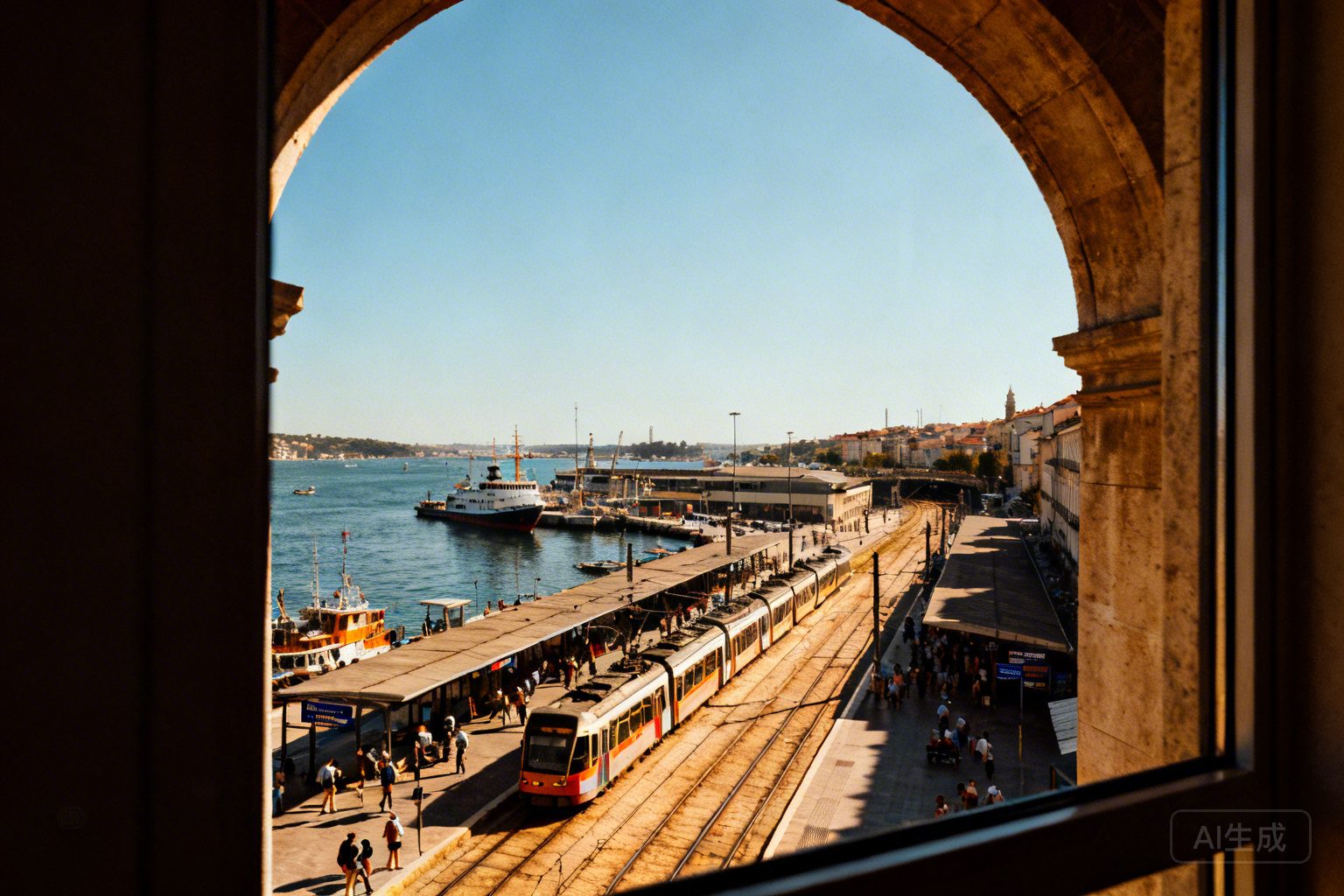
I’ve been living in Lisbon for seven months now, and I still haven’t taken a photo of Tram 28. Every time I see a group of tourists sweating in a two-hour line just to cram themselves into a yellow wooden box, I feel a strange mix of pity and relief. Pity, because they think that’s the “Lisbon experience,” and relief because while they’re all stuck in a queue, the rest of the city is breathing. They’re looking for a picture; I’m looking for a life.
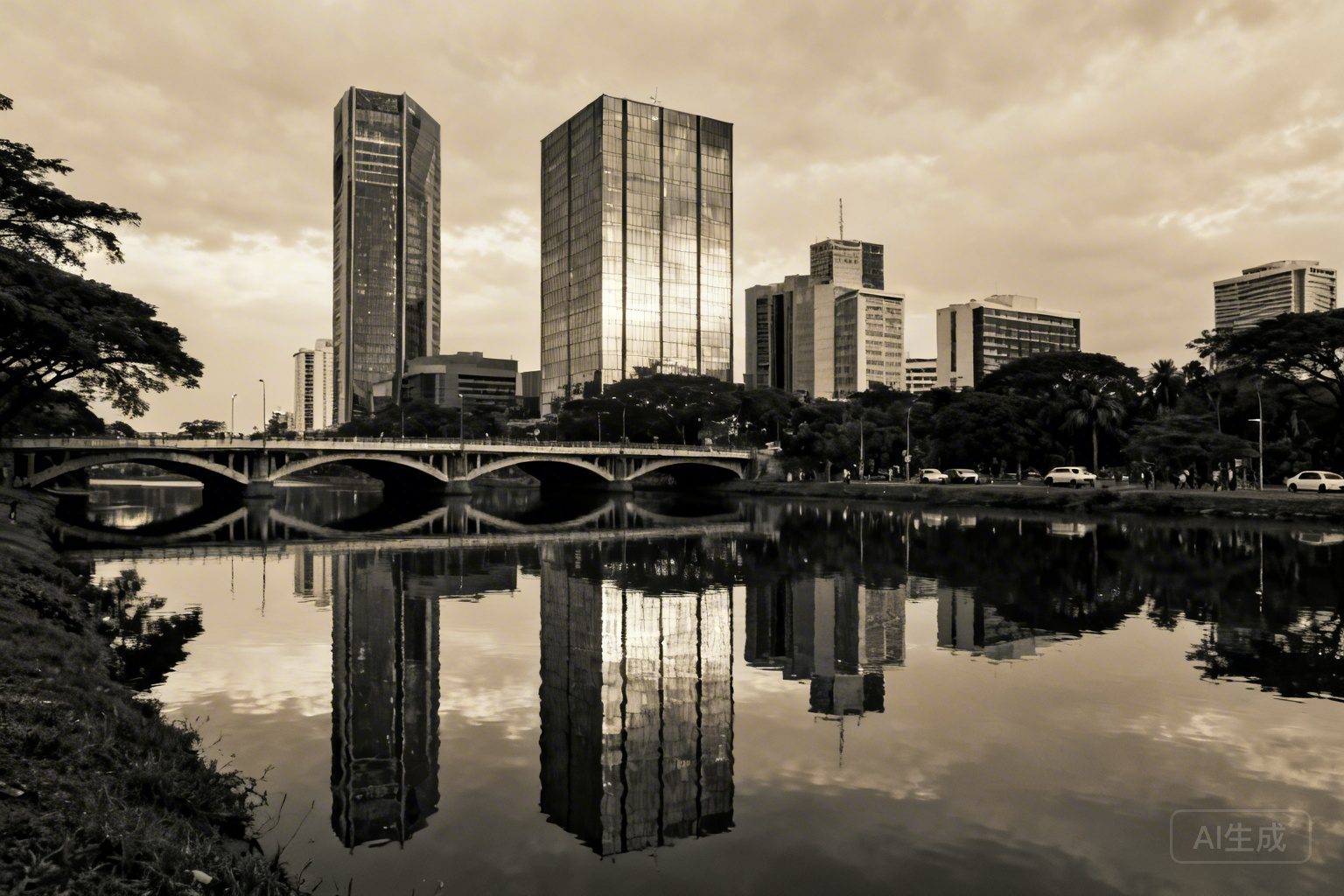
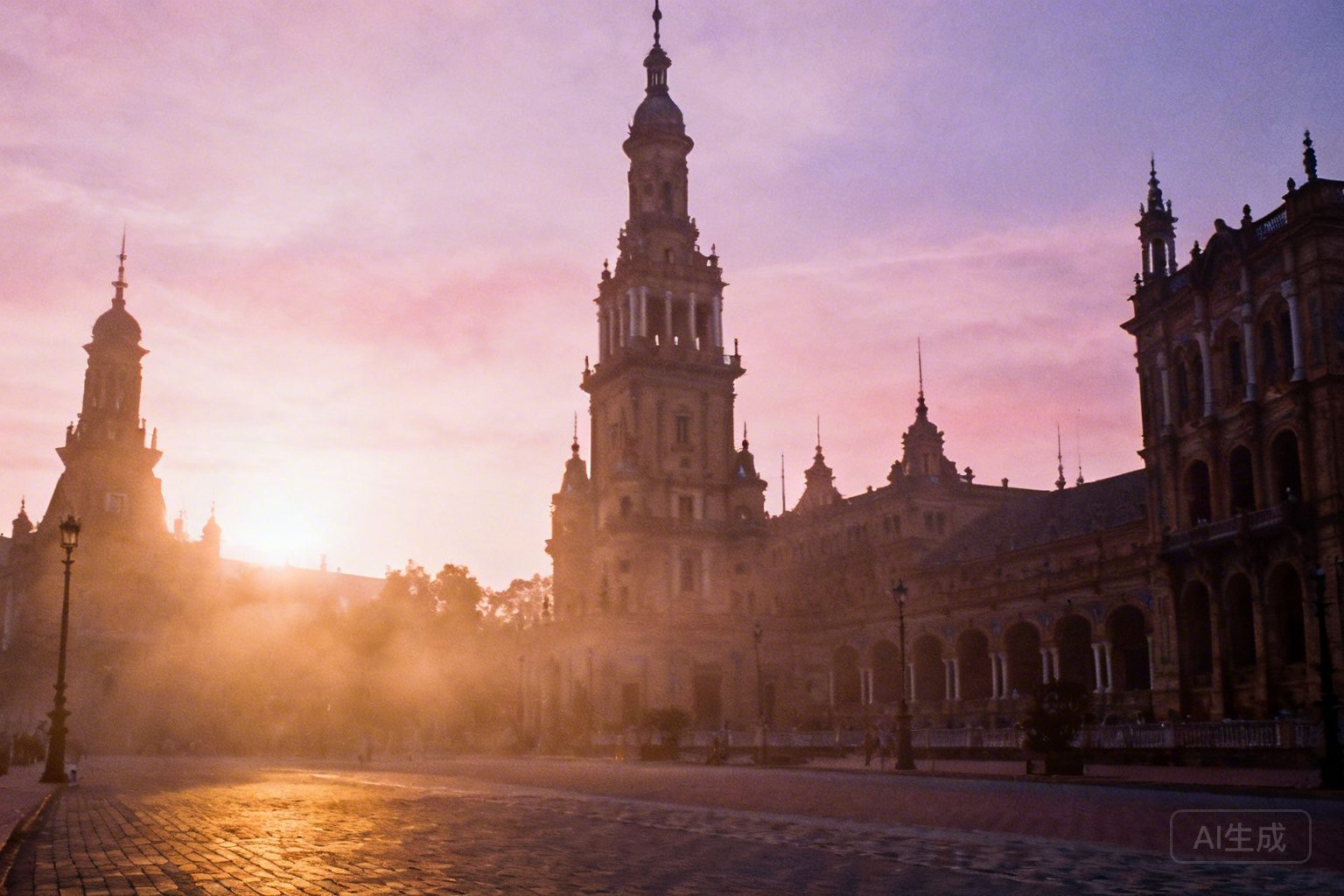
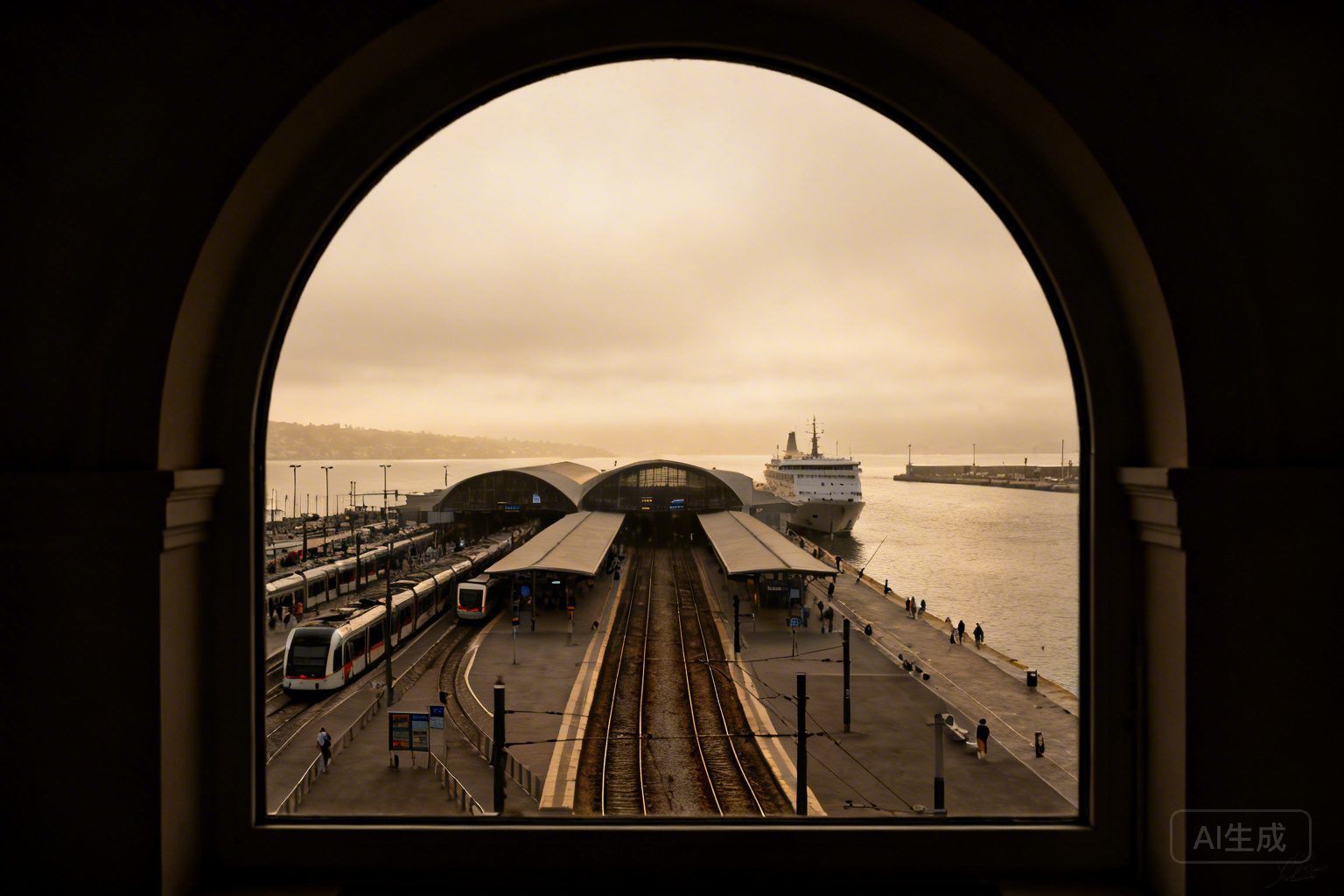
Most travel blogs will tell you about the tiles (azulejos) and the custard tarts (pastéis de nata). They aren’t lying—those things are beautiful—but they aren’t why you stay. You stay because of the light at 7:00 PM in October, which turns the entire city into a sepia-toned film set. You stay because of the “desrascanço”—that uniquely Portuguese ability to find a solution out of nowhere when everything seems broken. You stay because, after a while, the hills stop being an obstacle and start being your gym.
1. The Geometry of the “Quiet Life”
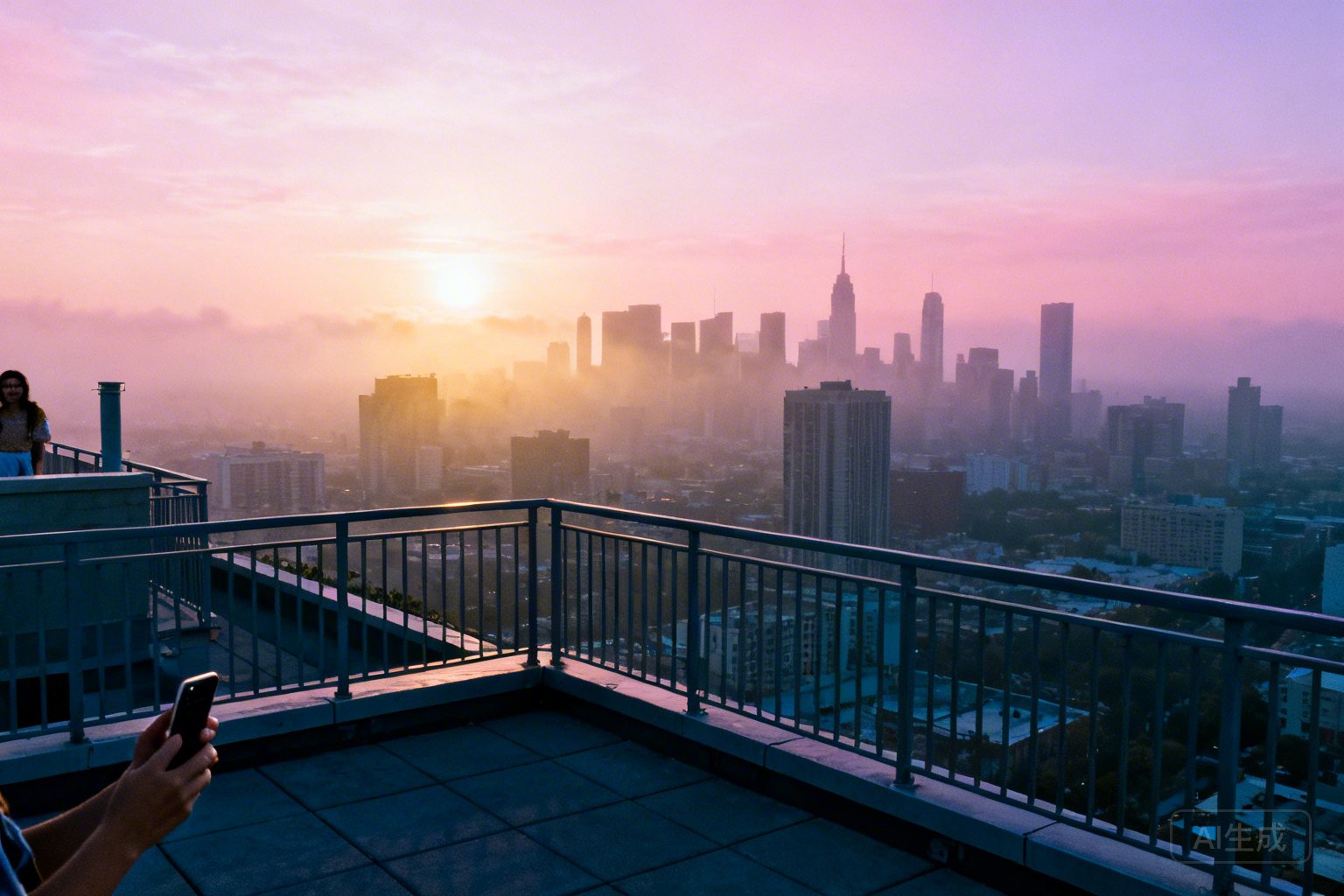
When I first landed, I made the mistake of staying in Baixa. It’s flat, it’s central, and it’s soul-sucking. It’s where the “Lisbon” of the brochures lives. To actually live here, you have to get used to the verticality. Life happens on the inclines. There’s an unwritten rule here: the higher you climb, the more honest the neighborhood gets. The air is thinner, the laundry hanging over the streets is more colorful, and the voices are louder.
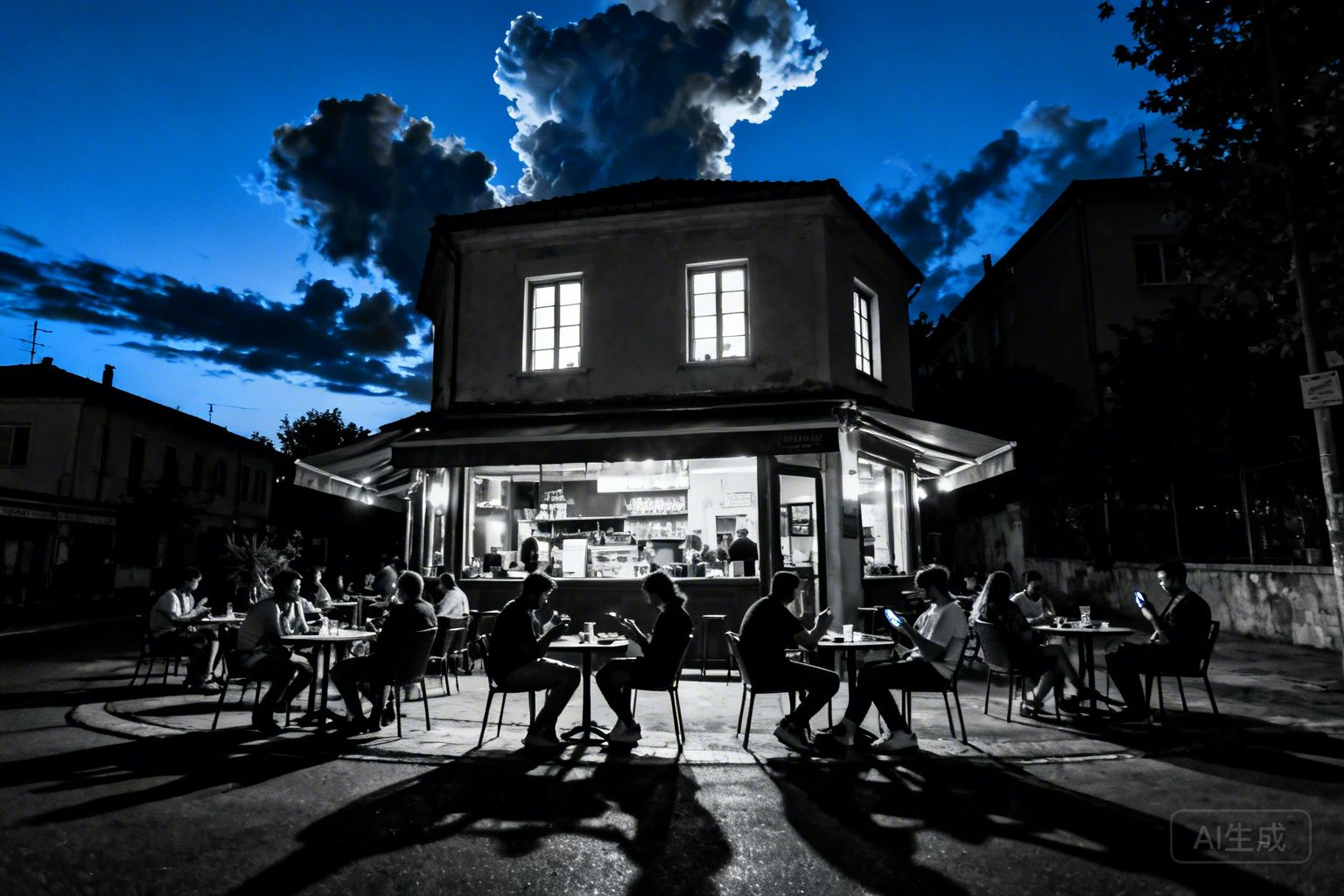
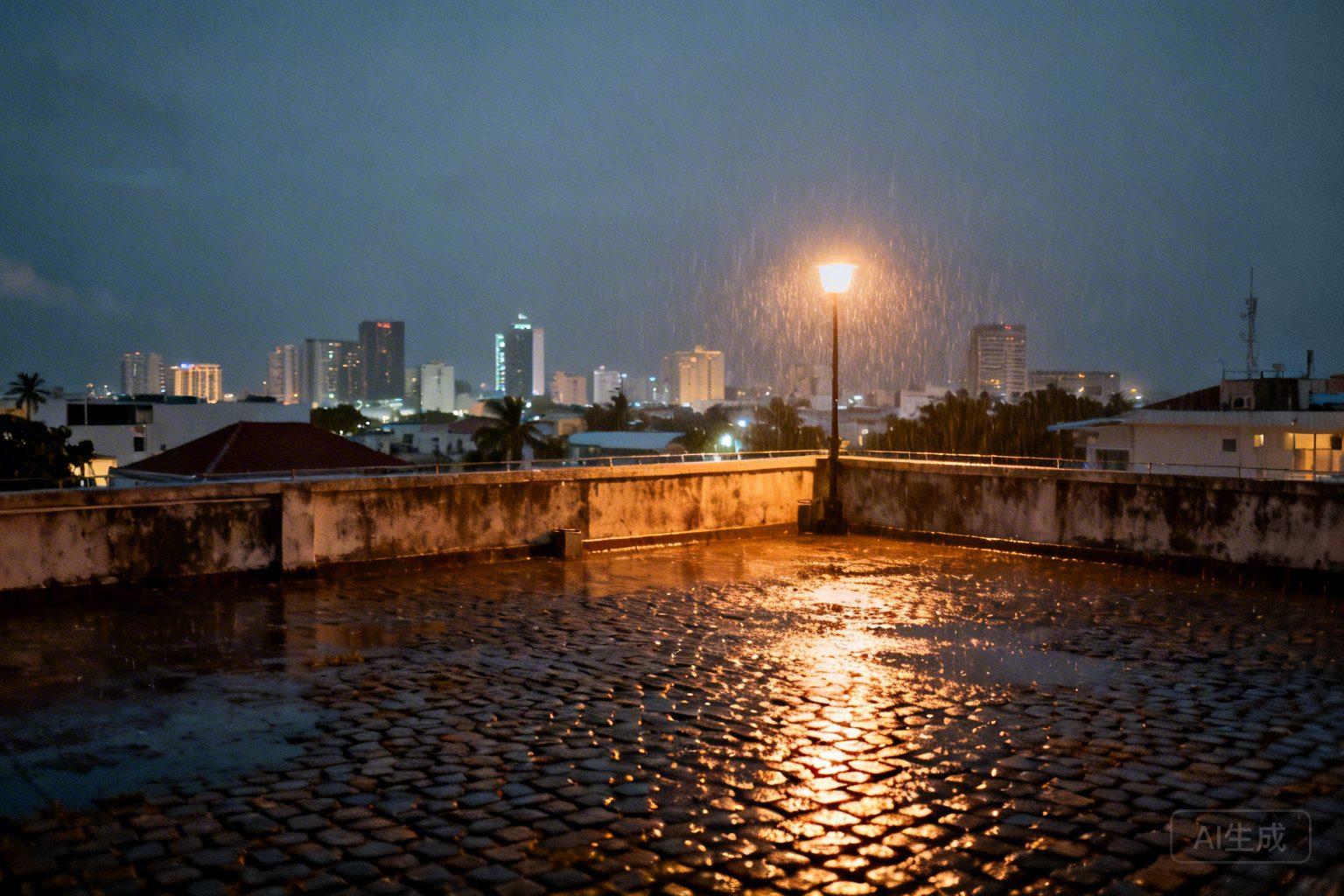
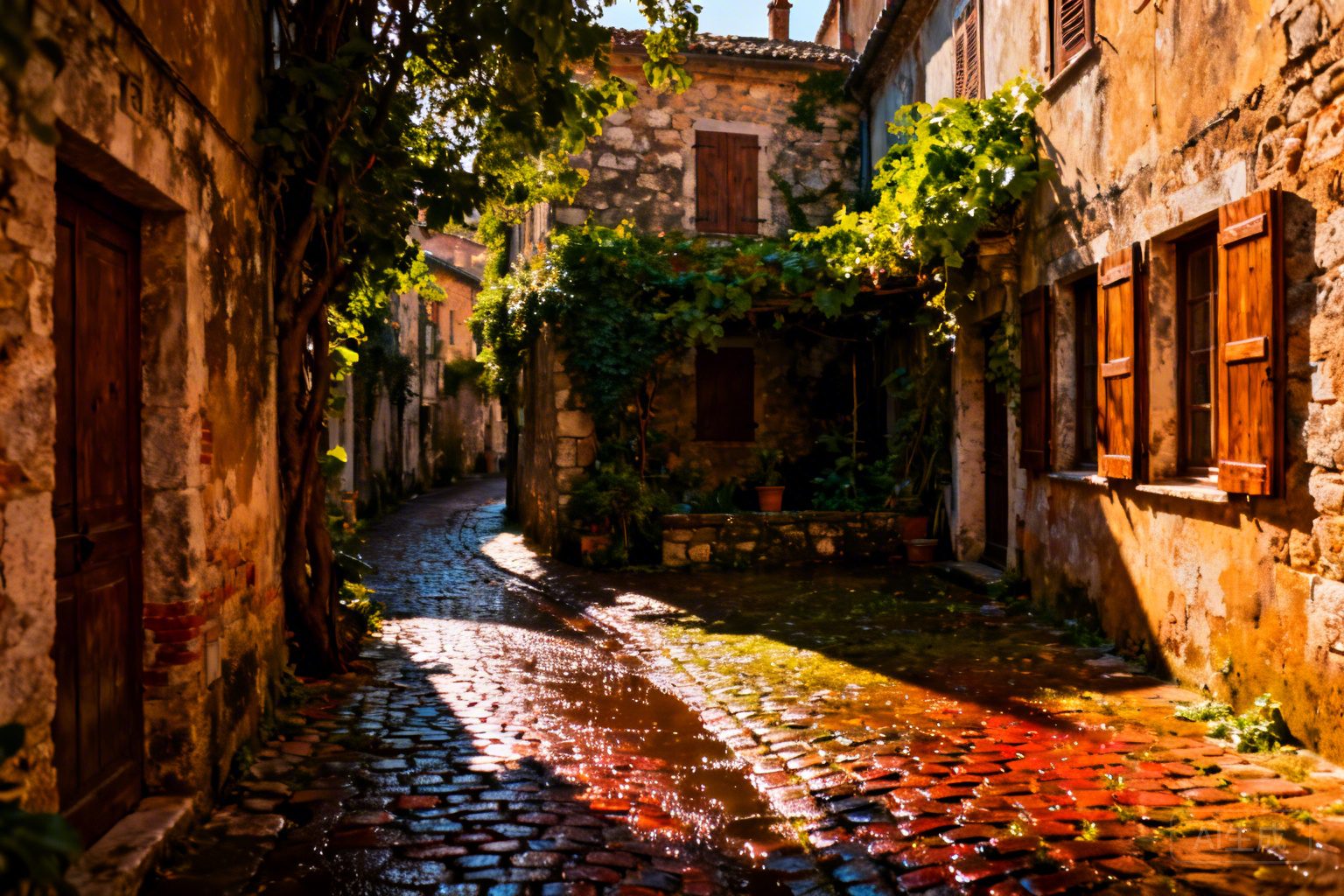
The magic isn’t in the monuments; it’s in the way the calçada (the limestone pavement) gets slippery when it’s humid, forcing you to walk with a specific, deliberate gait that locals call the “Lisbon shuffle.” It’s about the fact that you can walk into a “tasca” (a local tavern), order a “bifana” and a “mini” (a small beer), and spend less than five euros while a grandfather in the corner argues with the TV about Benfica’s midfield. It’s a city that hasn’t quite decided if it wants to be a tech hub or a fishing village, and that tension is where the electricity lives.