10 Reasons Why Manila is the Perfect Destination for a Girls’ Trip!
The Humidity is a Promise: A Love Letter to the Chaos of Manila
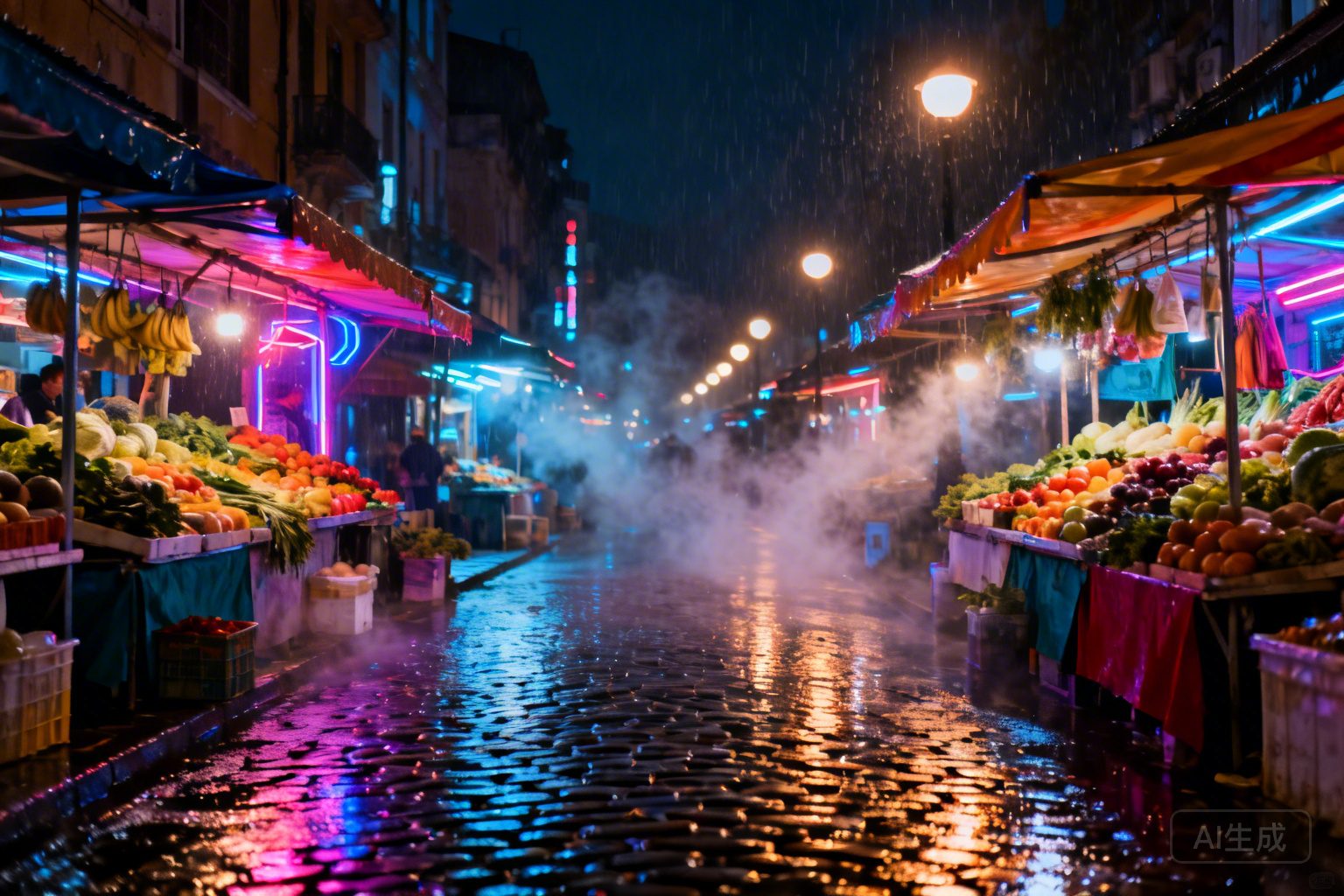
The heat in Manila does not merely sit upon your skin; it introduces itself with the invasive intimacy of a long-lost relative who knows all your secrets. It is a thick, velvet weight, smelling of sampaguita blossoms and the metallic tang of diesel exhaust, wrapping around you the moment the sliding glass doors of Ninoy Aquino International Airport part to reveal the city. For a group of women traveling together, this isn’t just a vacation destination. It is a sensory assault that demands a particular kind of surrender. Here, the concrete vibrates. The sky, a bruised purple during the monsoon afternoons, feels low enough to touch. You don’t just visit Manila; you negotiate with it.
We arrived with suitcases packed for a curated tropical fantasy, but the city had other plans. Manila is a palimpsest, a city built on top of the ruins of its former selves—Spanish stone, American steel, and the neon-soaked resilience of the modern Filipino spirit. To understand why this is the ultimate crucible for a girls’ trip, one must look past the traffic and into the chaotic, beating heart of the barangays.
1. The Architectural Ghost Dance of Intramuros
To walk through the Walled City of Intramuros is to step into a fracture in time. The cobblestones, or piedra china, are slick with a century of humidity, their edges rounded like river stones. We spent our first morning tracing the perimeter of Fort Santiago, where the air feels ten degrees cooler and smells of damp moss and calcified history. I watched a young woman in a tattered yellow sundress lean against a door of solid narra wood, its surface scarred by termite tracks and the shrapnel of a war that ended seventy years ago. The paint was peeling in long, curled ribbons, revealing layers of pastel blue and ochre beneath, like a wound that refused to scar over.
The history here isn’t kept in glass cases. It breathes. It sighs through the open windows of the San Agustin Church, where the baroque carvings are so intricate they look like petrified lace. We sat in the pews, watching a silent monk glide across the checkerboard marble floor; his sandals made no sound, a phantom in a brown habit, ignored by the frantic wedding planner screaming into a headset near the altar. This is the Manila dichotomy: the sacred and the logistical, clashing in the midday heat.