10 Reasons Why Marrakesh is Even More Magical Than the Pictures!
The Ochre Fever: A Love Letter to the Red City
The plane touched down at Menara Airport just as the sun began its slow, bruised-purple descent over the Atlas Mountains, but the magic doesn’t begin with the landing. It begins with the air. It is an air that carries the weight of a thousand years of dust, orange blossom, and the faint, metallic tang of burning charcoal. To look at a photograph of Marrakesh—the saturated terracotta walls, the stark greenery of the Majorelle Garden—is to view a silent film. You see the color, but you are deaf to the roar; you are numb to the heat that radiates from the earth like a living pulse. Marrakesh is not a destination; it is a sensory assault that rearranges your internal geography.
I stepped into a vintage Mercedes taxi, the upholstery worn to a velvet sheen by decades of restless travelers. The driver, a man named Idris with skin the color of a well-oiled saddle and eyes that had seen every permutation of human folly, didn’t ask for my destination. He simply nodded, shifted the gear stick with a skeletal hand, and plunged us into the chaotic circulatory system of the city. We dodged motorbikes carrying entire families, donkey carts laden with fresh mint, and sleek SUVs that felt like intruders from another century. This is why the pictures lie: they offer stillness where there is only frantic, beautiful motion.
1. The Geometry of the Medina’s Shadows
Walking into the Medina is an act of surrender. You cannot navigate it; you can only inhabit it. The walls are not merely red; they are a shifting spectrum of cinnabar, rose, and dried blood, textured with the scars of time—peeling lime wash, deep fissures where the sun has baked the mud-brick brittle, and the occasional burst of intricate zellij tiling that feels like a cooling compress for the eyes.
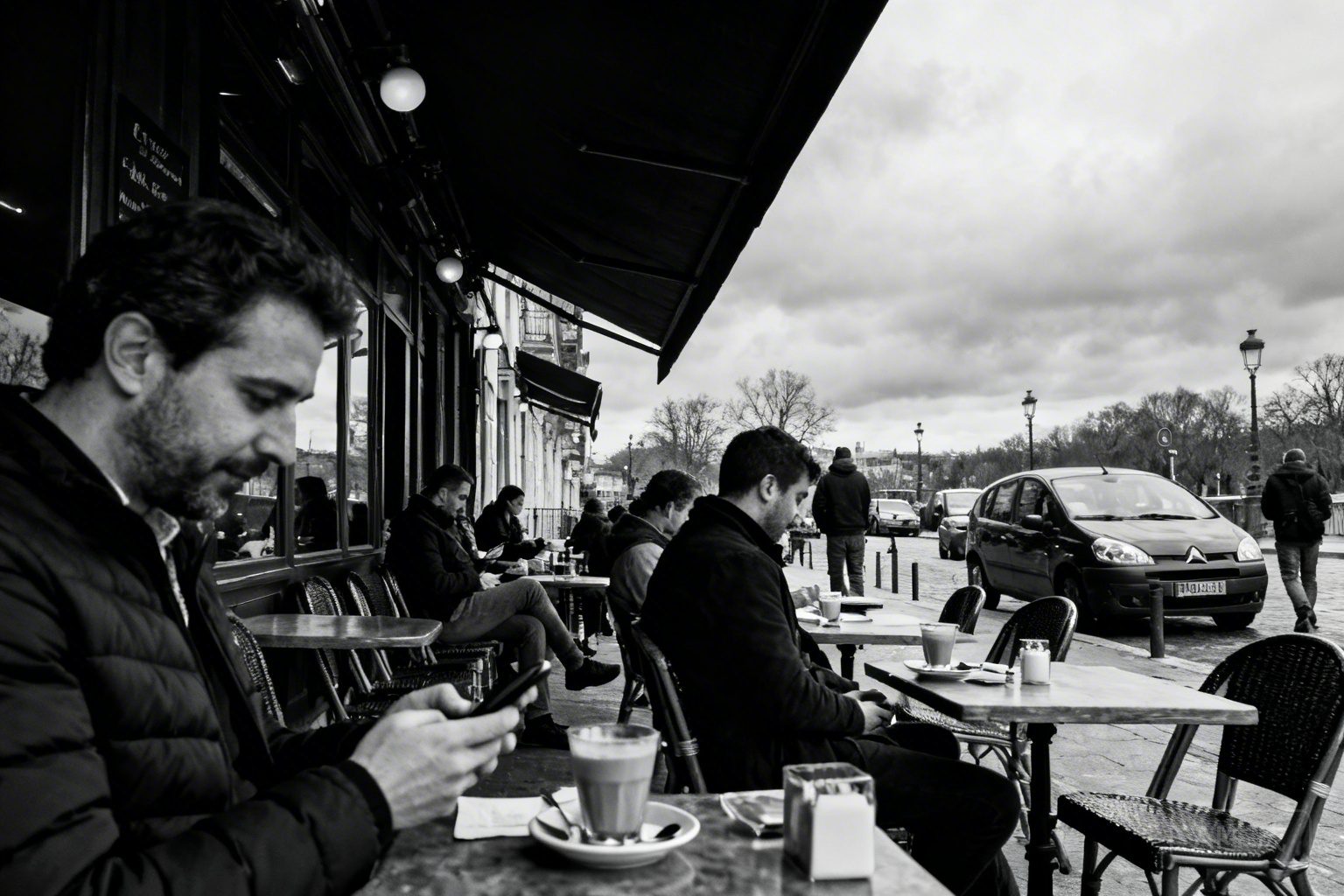
The shadows here have a physical weight. In the narrowest alleys of the Mouassine district, the midday sun is reduced to a thin, razor-sharp line of gold on the cobblestones. Everything else is a cool, lavender-tinted gloom. I watched a brusque waiter at a corner café, his white apron stained with the ghosts of a hundred harira soups, flick a cigarette into the gutter with a practiced, cinematic disdain. He didn’t look at the tourists. He looked through them, his gaze fixed on some internal horizon. The contrast between the blinding glare of the open squares and the velvet dark of the souks creates a visual rhythm that no lens can truly capture. It is a chiaroscuro painting you are forced to walk through.