10 Reasons Why Melbourne is Even More Magical Than the Pictures!
The Silver-Gilt Grids of the South
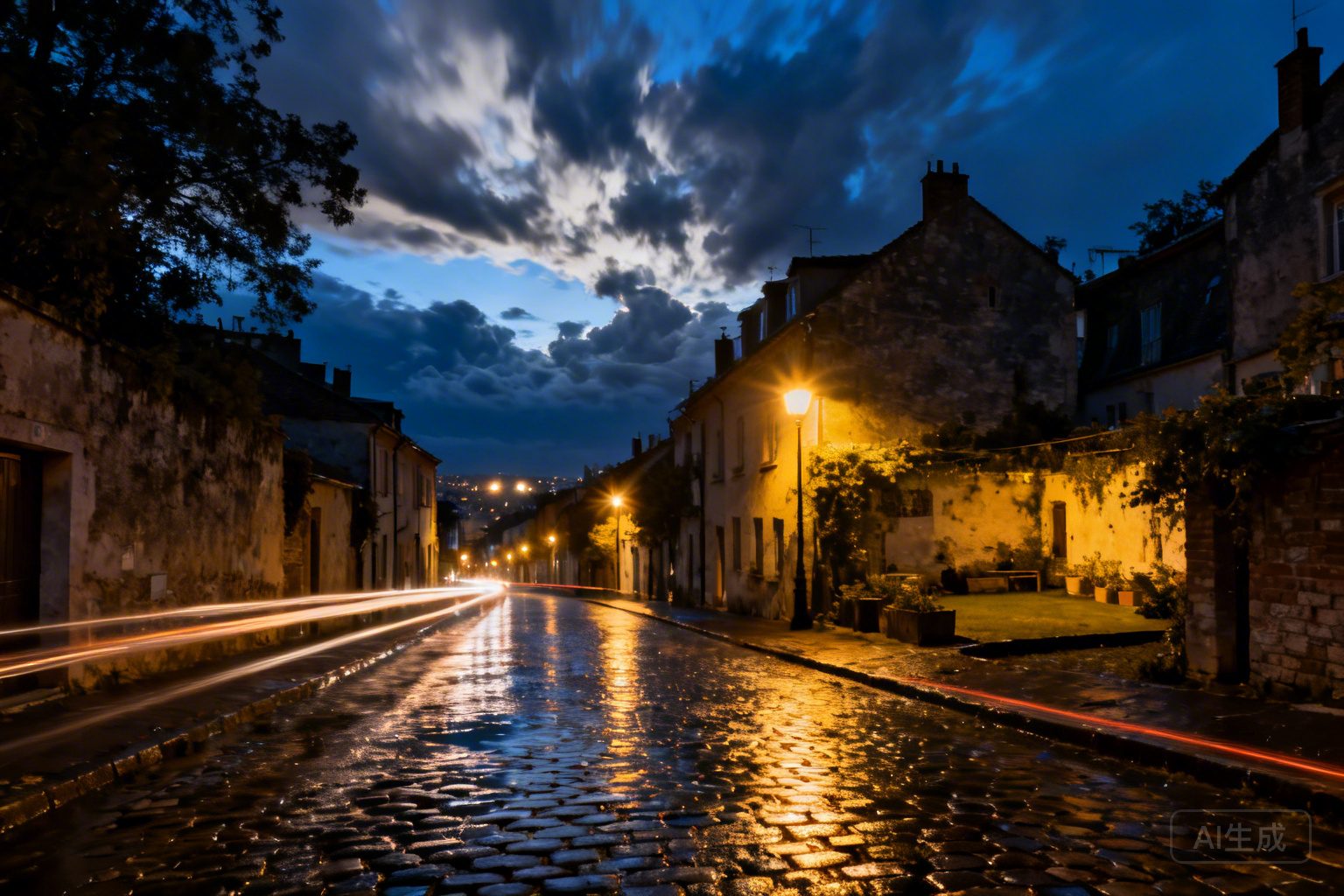
The first thing you must understand about Melbourne is that it is not a postcard; it is a palimpsest. To view it through a lens is to see only the top layer of paint, a flat projection of Victorian facades and glass-shard skyscrapers. But when the wheels of the SkyBus scream against the asphalt and the air—a bracing, salt-flecked gust lunging off Port Phillip Bay—hits your face, the static image dissolves. The city begins to breathe. It smells of roasting Arabica beans, damp bluestone, and the faint, metallic tang of the overhead tram wires sparking in the twilight.
I stood at the corner of Flinders and Swanston Streets as the sun began its slow, bruised descent. The wind here doesn’t just blow; it interrogates. It snakes around the neoclassical columns of the Flinders Street Station, catching the edges of heavy wool coats. There is a specific pitch to the evening rush: the staccato click of heels on pavement, the rhythmic ding-ding of the green-and-gold trams, and the low, melodic hum of a busker playing a cello made of reclaimed cedar. This is the heartbeat of a city that refuses to be still.
1. The Architecture of Secrets
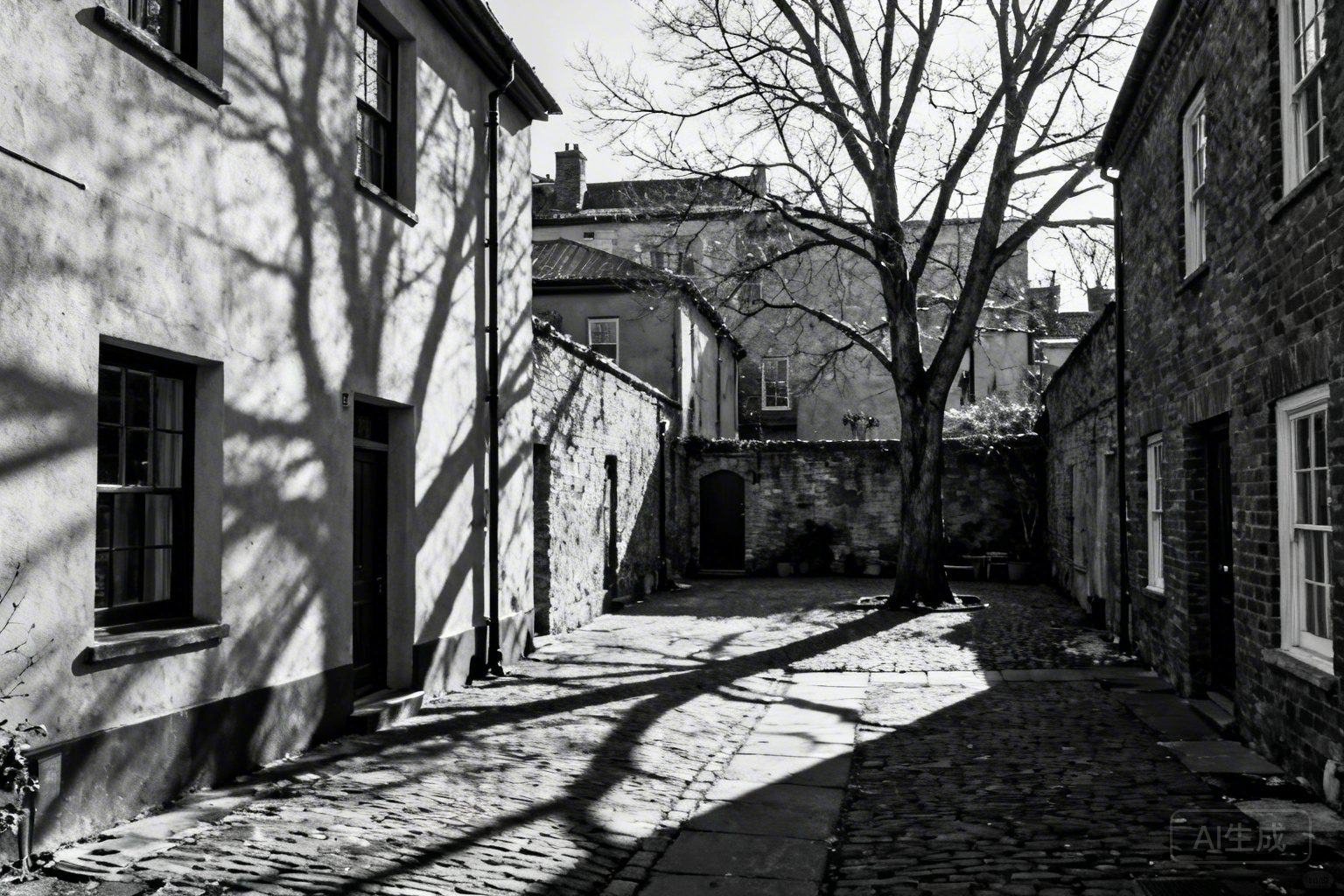
The cameras capture the grandeur of the Royal Exhibition Building, but they miss the texture of the decay that makes the city real. In the backstreets of Carlton, I found a door—a heavy, arched slab of Tasmanian oak—where the paint had peeled in such a way that it looked like a topographic map of a forgotten continent. The wood beneath was grey and splintered, silvered by a century of erratic Victorian sun. To touch it was to feel the grit of a thousand dust storms.
Melbourne’s beauty lies in this friction between the ornate and the industrial. You look up and see gargoyles brooding over H&M stores; you look down and see brass plaques commemorating 19th-century murders. The city was built on gold-rush madness, and that frantic, opulent desperation still clings to the masonry. It is a place where a five-star hotel shares a brick wall with a graffiti-scrawled alleyway where the dumpsters smell of charred lemongrass and old rain.