10 Reasons Why Mexico City is the Perfect Destination for a Girls’ Trip!
The Saffron Hour at 7,000 Feet
The descent into the Valley of Mexico is an act of faith. You watch from the scratched plexiglass window as the sprawl of the megalopolis rises to meet the wings, a shimmering, endless carpet of cinderblock gray and bougainvillea pink that defies the very notion of a horizon. It is a basin of twenty-two million souls, a concrete lung breathing beneath the watchful, snowy silence of Popocatépetl. When the wheels finally kiss the tarmac of Benito Juárez, there is a collective exhale. You are not just arriving in a city; you are being swallowed by a living organism. For a group of women traveling together, this isn’t a vacation. It is a reclamation of the senses.
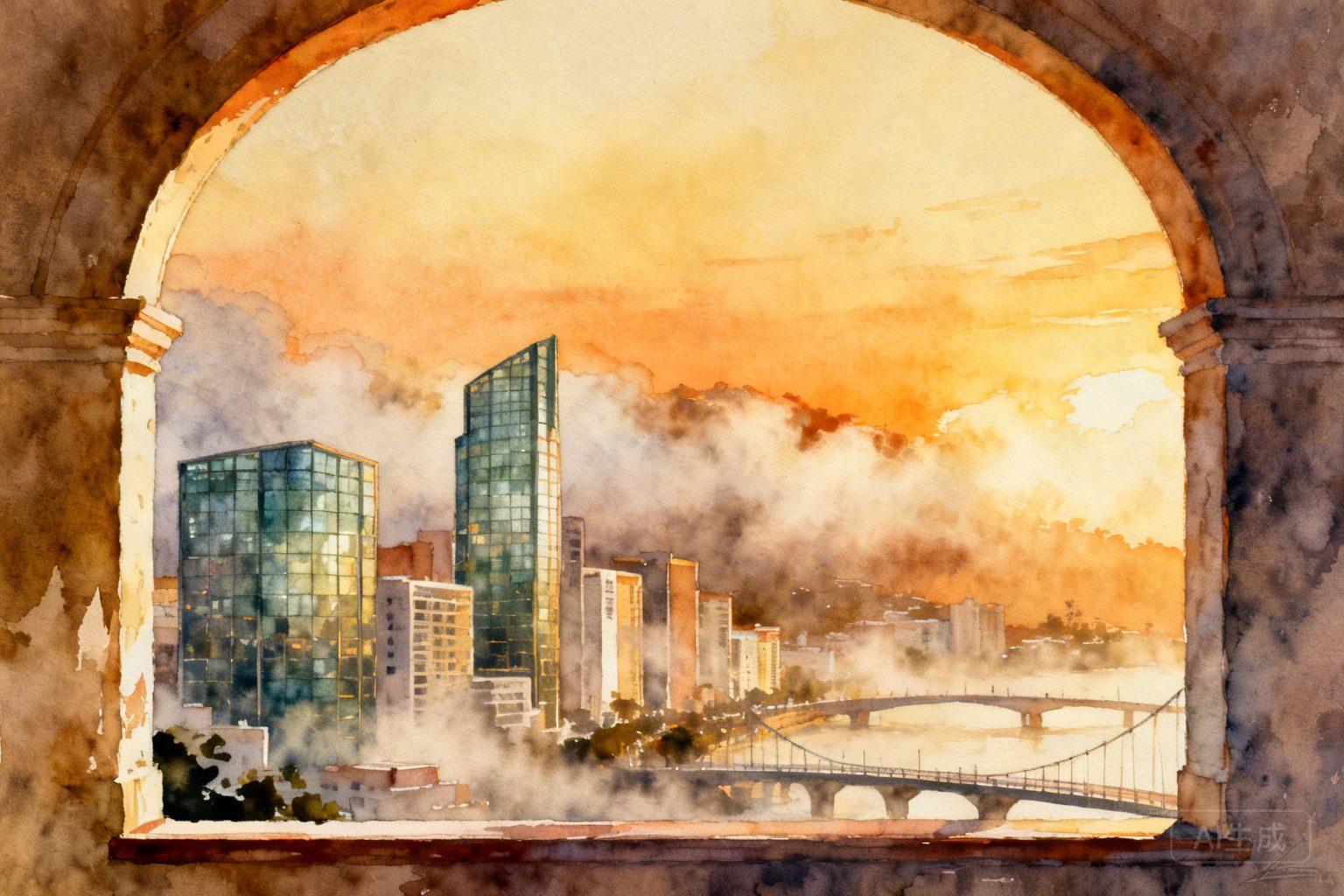
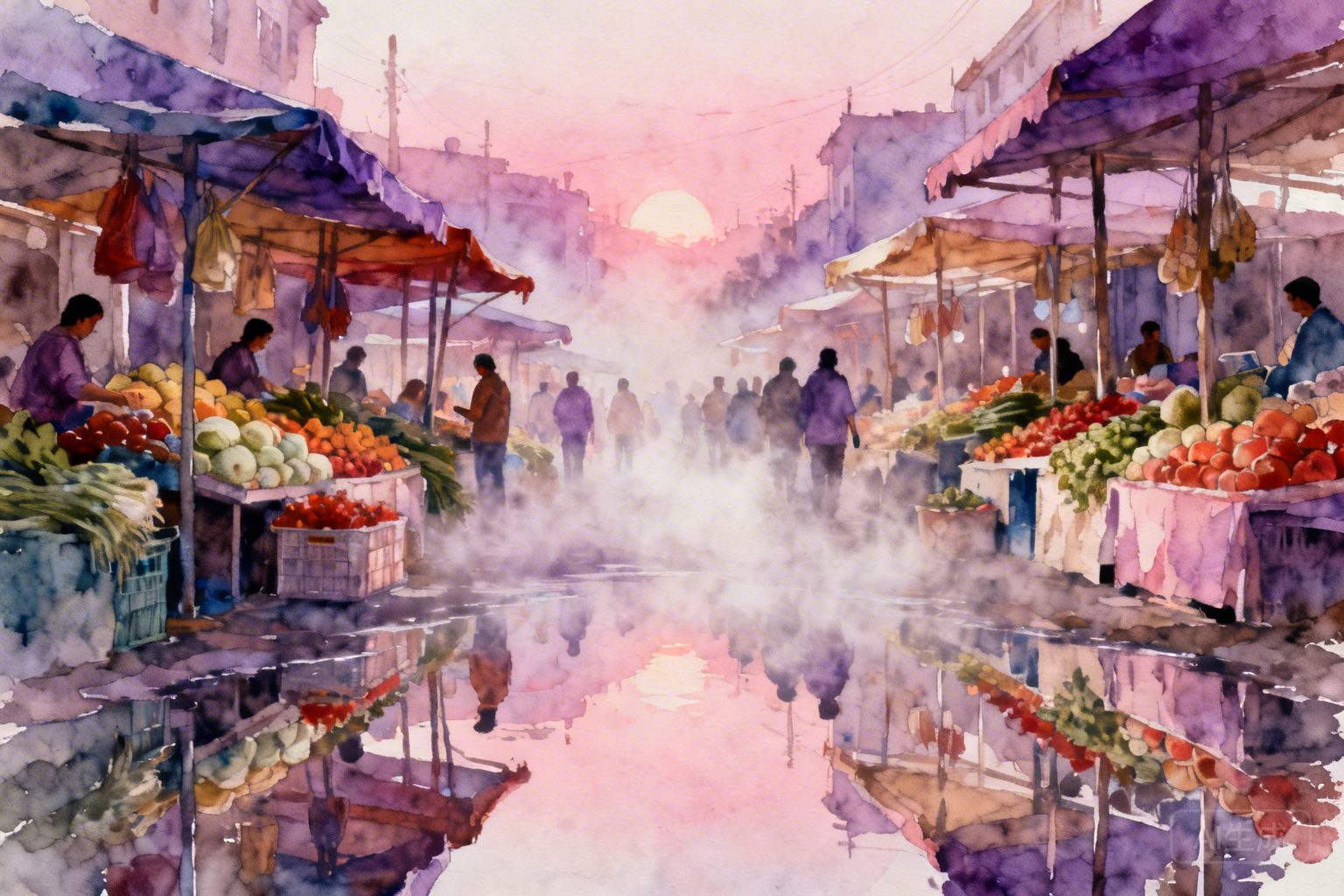
Mexico City—the CDMX—does not ask for your attention. It demands your total surrender. It is a place where the 16th century sits uncomfortably on the shoulders of the 21st, where the smell of diesel fumes mingles with the scent of roasting corn and expensive French perfume. Here, the light has a different weight. At 4:00 PM, the sun hits the volcanic tezontle stone of the historic center and turns everything the color of a bruised apricot. This is the first reason to bring your tribe here: the sheer, unapologetic cinematic scale of the existence.
1. The Architecture of Memory and Decay
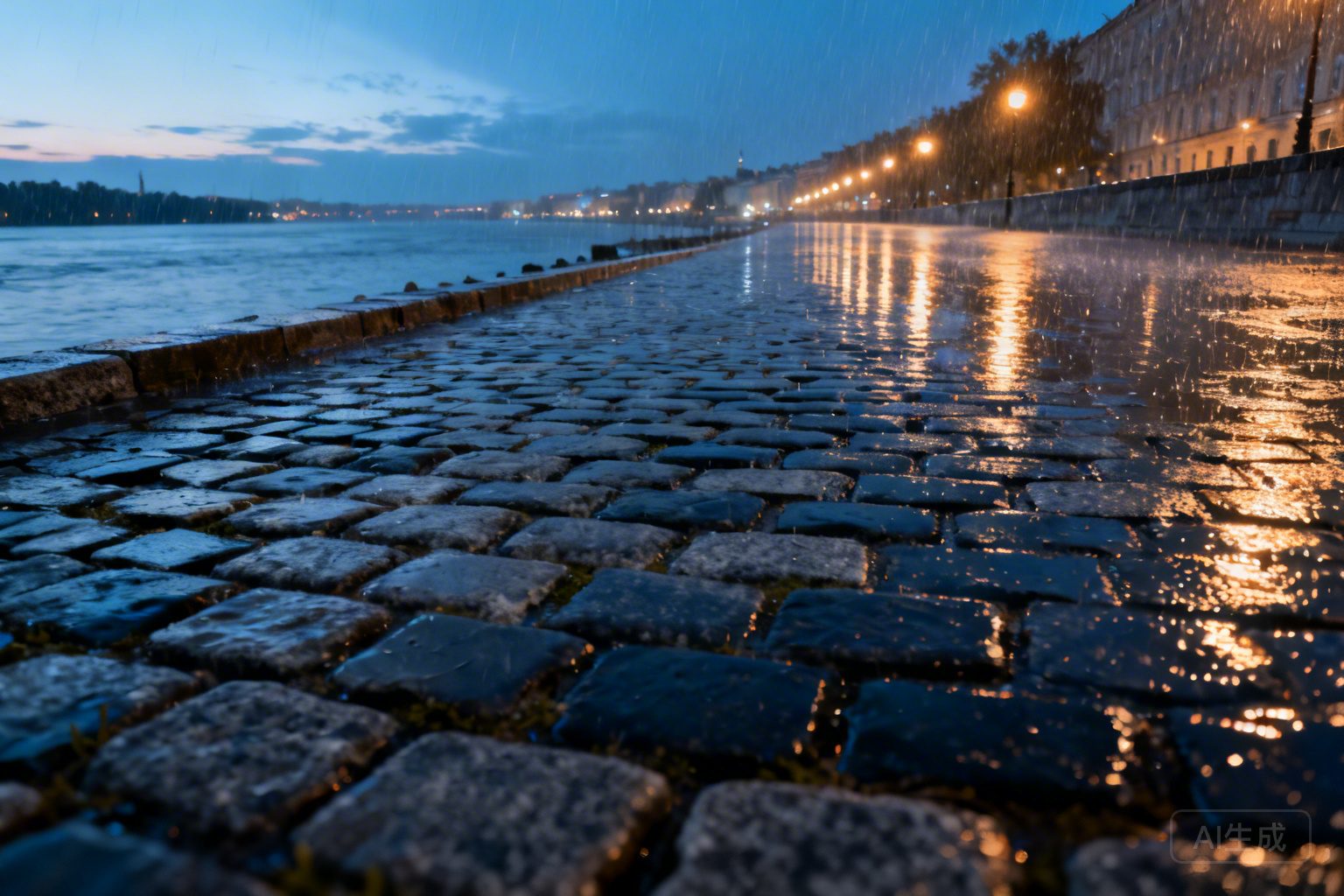
In the Cuauhtémoc borough, the streets are named after rivers that have long since been paved over, buried beneath the weight of progress. We walked down Rio Lerma, our heels clicking against uneven basalt tiles that had been heaved upward by the roots of ancient jacaranda trees. The paint on a century-old door—a shade of deep, oxidized turquoise—peeled back in curls like dried skin, revealing layers of ochre and white from a dozen different decades. To touch it was to feel the grit of a hundred rainy seasons.
The city is sinking, quite literally, into the soft mud of a prehistoric lakebed. You see it in the tilt of the Metropolitan Cathedral, a massive stone beast that leans with a weary, drunken grace. Inside, the air is cold and smells of extinguished beeswax and damp earth. A silent monk, his robes a coarse brown wool that seemed to absorb the dim light, moved across the nave with a rhythmic shuffle, his eyes fixed on a point three hundred years in the past. He didn’t look at us. To him, we were merely ghosts of the future, fleeting and loud. This architectural instability creates a sense of preciousness. Nothing here is permanent, which makes the gathering of friends under a carved stone archway feel like a radical act of presence.