10 Reasons Why Mumbai is Even More Magical Than the Pictures!
The Hum of the Maximum City
The humidity in Mumbai does not merely hang; it clings, a damp silk shroud that smells of diesel fumes, roasted cumin, and the salt-crusted secrets of the Arabian Sea. To arrive here is to be folded into a chaotic, sweltering embrace that defies the sanitizing lens of a Leica. You have seen the photos of the Gateway of India, gold-bathed at sunset, but a photograph cannot capture the specific, high-pitched clack-clack of the Victoria horse carriages—now neon-lit “ghost carriages”—skittering over asphalt that feels soft from the relentless heat. The camera fails because Mumbai is not a visual medium. It is a tactile, olfactory, and auditory assault that manages to be, against all logistical odds, profoundly beautiful.
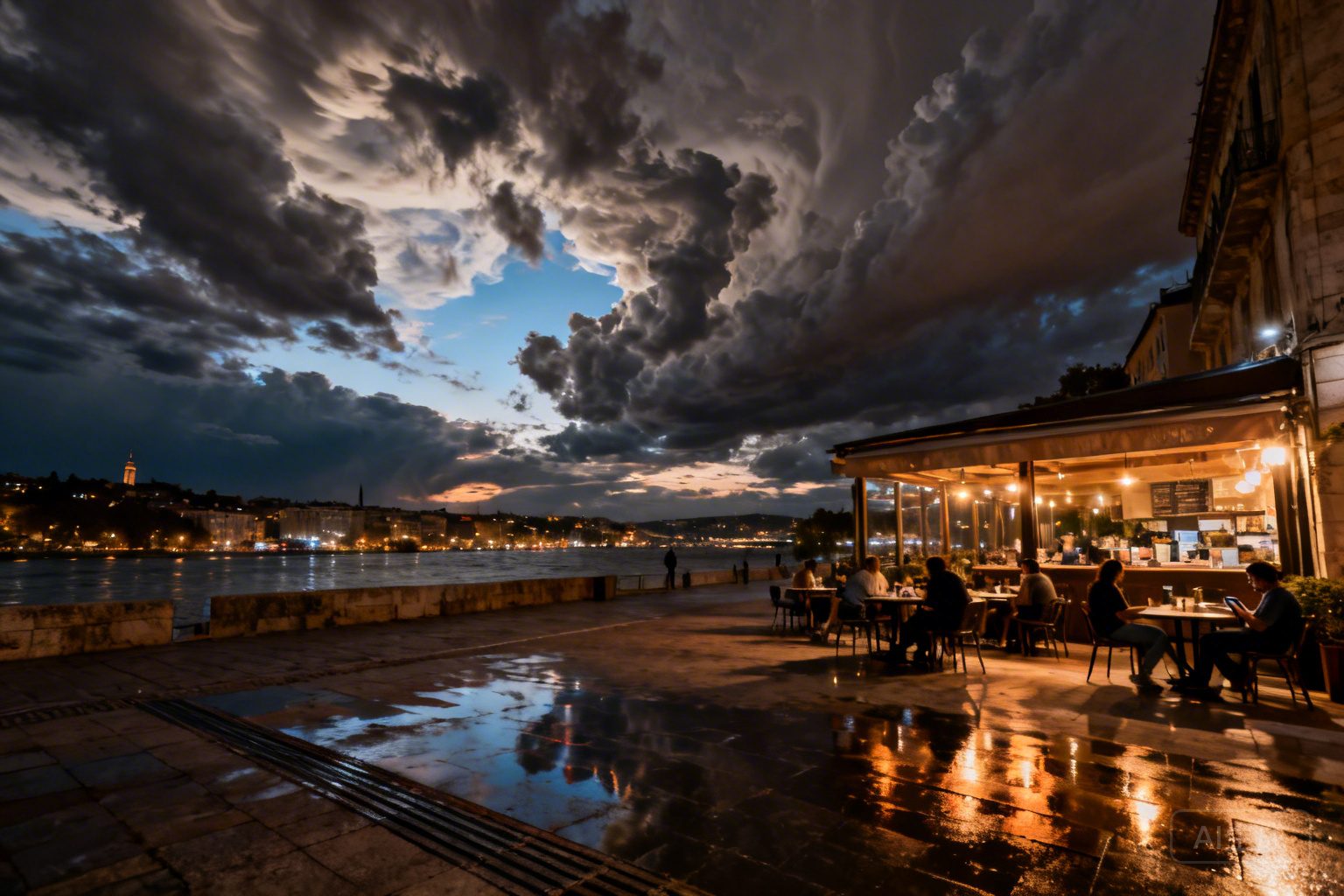
I stood at the edge of Colaba, watching the tide retreat from the jagged rocks near the Taj Mahal Palace hotel. The air tasted of rust and expensive perfume. To my left, a street vendor with skin the texture of a dried date was fanning a coal brazier, the orange sparks dancing like frantic fireflies against the navy dusk. This is the first secret of the city: it is built on reclaimed land, a literal defiance of the ocean, and that sense of borrowed time permeates every cracked pavement and soaring skyscraper.
1. The Architecture of Decay and Grandeur
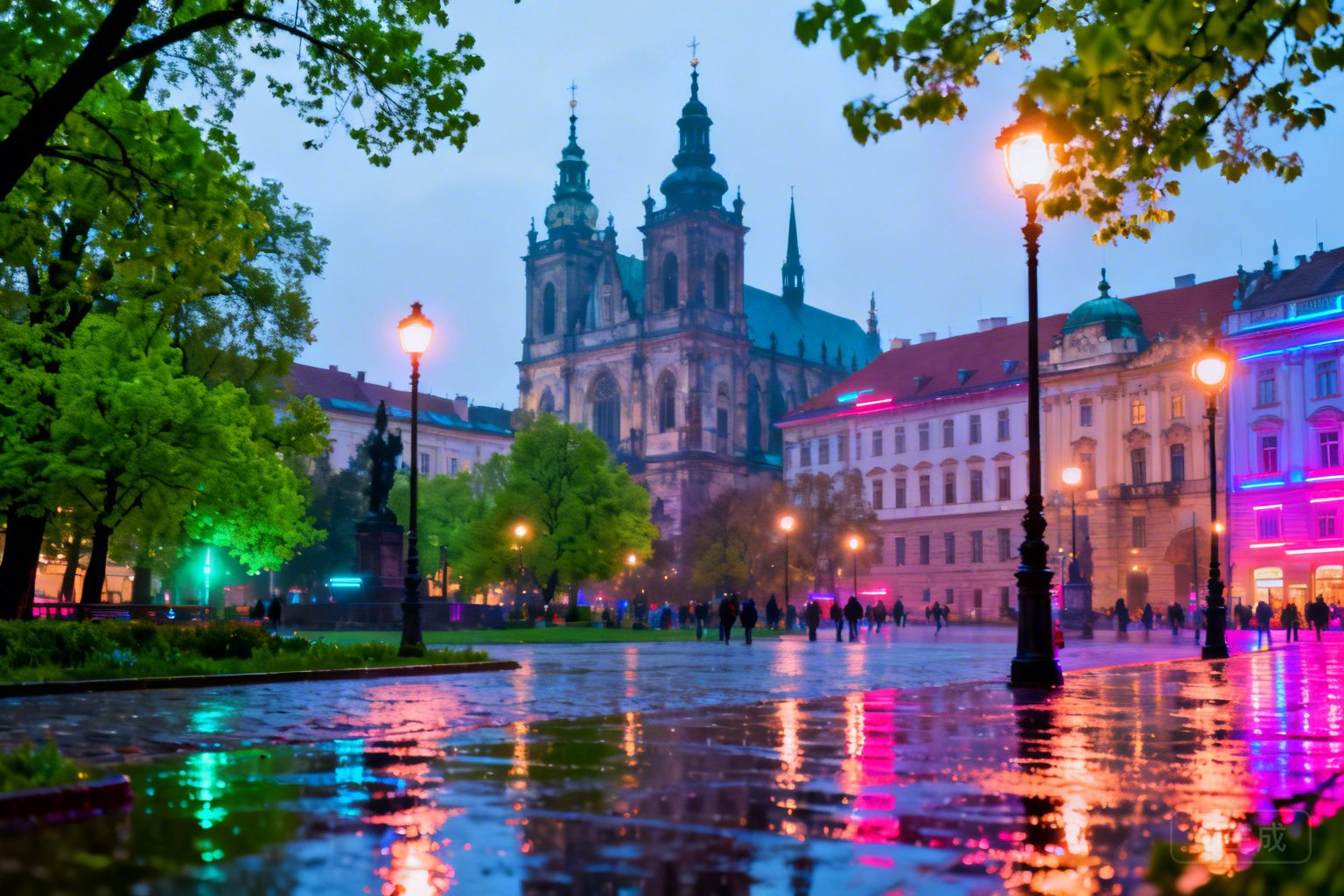
In the glossy travel brochures, the Gothic Revival architecture of South Mumbai looks pristine. In reality, it is a magnificent, rotting wedding cake. Walking through Kala Ghoda, I ran my thumb along the stone plinth of a 19th-century library. The texture was gritty, the basalt pitted by a century of monsoons and exhaust. The paint on the heavy mahogany doors of the Watson’s Hotel—the oldest cast-iron building in India—isn’t just peeling; it is curling away in elegant, parchment-like scrolls, revealing layers of pale blue and mint green from eras long forgotten.
There is a specific dignity in this decay. In London, these buildings would be scrubbed sterile; here, they are alive. Vines snake through the gargoyles of Chhatrapati Shivaji Maharaj Terminus. Ferns sprout from the crevices of high-arched windows where pigeons roost in the thousands, their cooing a low, rhythmic bass note that underlies the screech of the local trains.