10 Reasons Why Nadi is the Perfect Destination for a Girls’ Trip!
The Gateway of Saffron and Salt: Why Nadi is the Island Pulse You’ve Been Seeking
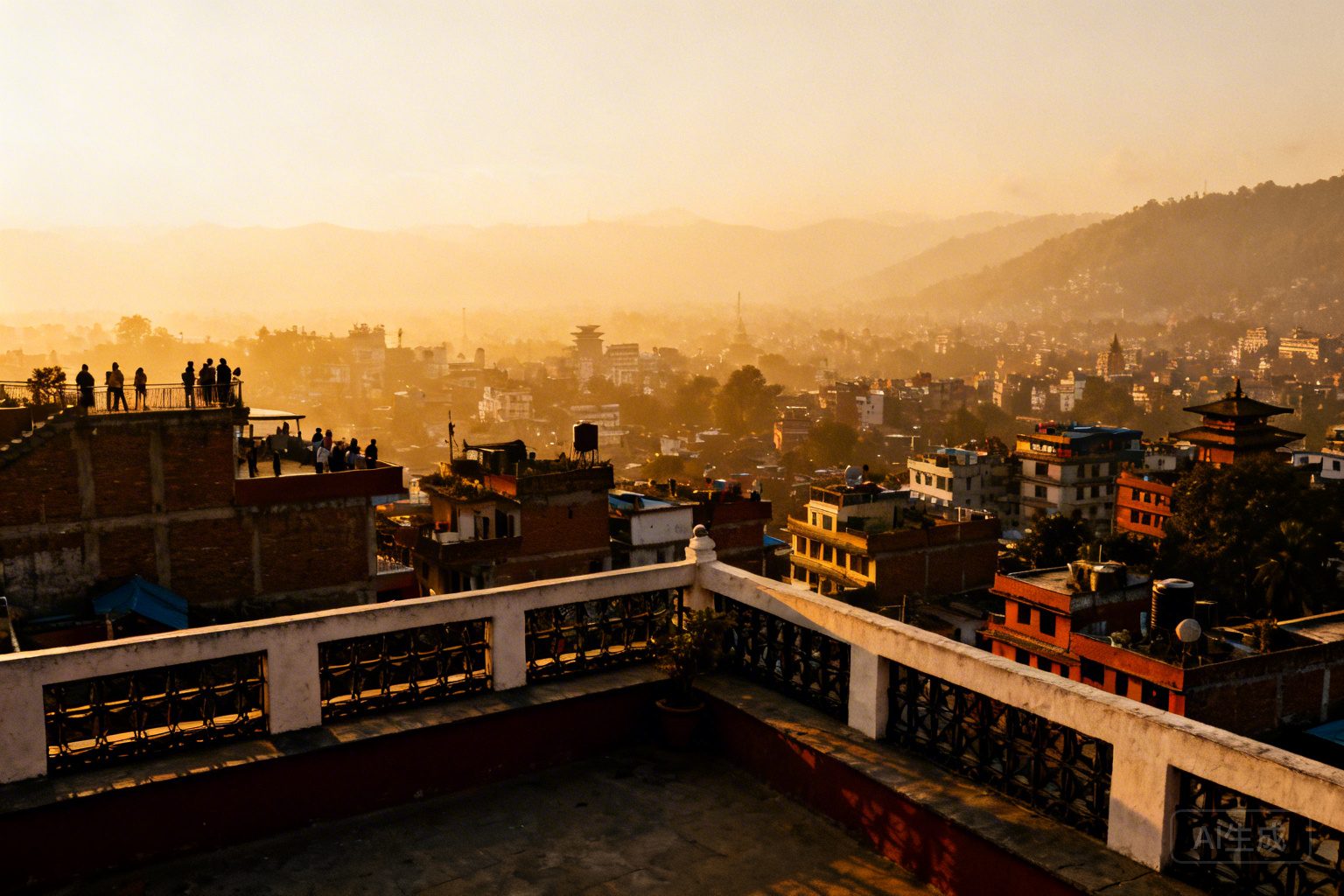
The humidity in Nadi does not simply sit upon the skin; it greets you like a long-lost relative, heavy-limbed and smelling faintly of crushed frangipani and diesel exhaust. As the cabin door of the plane retracted, the air rushed in—a thick, floral soup that tasted of the impending South Pacific sun. My three companions and I, shed of our wool coats and the frantic, gray urgency of city life, stepped onto the tarmac. We were four women chasing a specific kind of liberation that only exists in the transit zones of the world. Nadi is often dismissed as a mere waypoint, a logistical hiccup before the seaplanes whisk the wealthy away to private atolls. But they are wrong. To skip Nadi is to skip the heartbeat for the sake of the jewelry.
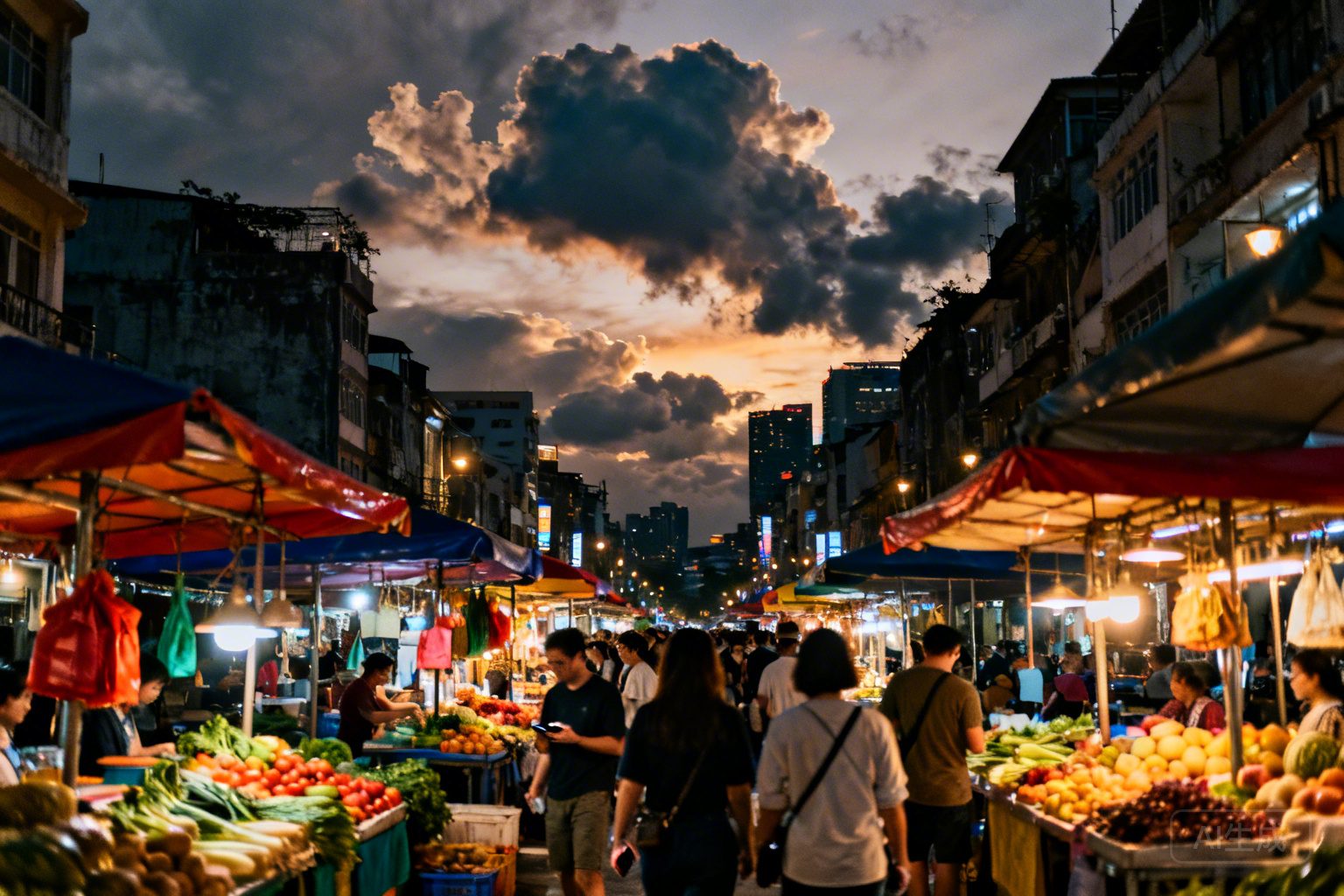
We piled into a taxi driven by a man named Rajesh, whose dashboard was a shrine of bobbing plastic deities and faded photographs of grandchildren in Sydney. The car smelled of sun-baked vinyl and the sharp, acidic tang of pineapple rinds. As we rattled toward the town center, the landscape blurred into a kaleidoscope of corrugated iron roofs, high-voltage greenery, and the sudden, jarring violet of bougainvillea spilling over concrete walls like spilled ink. This was not the manicured Fiji of the brochures. This was something better. This was real.
1. The Sensory Architecture of the Sri Siva Subramaniya Temple
Our first morning began at the southern tip of the main drag, where the Sri Siva Subramaniya Temple rises like a psychedelic dream against the backdrop of the Sabeto Mountains. The paint on the outer walls isn’t just colorful; it’s aggressive. It is a riot of cerulean, turmeric orange, and a pink so vibrant it feels like a physical pulse. We removed our shoes, the stone tiles beneath our feet holding the residual cool of the dawn, smooth as sea-glass from the friction of a thousand devotees.
Inside, the air thickened with the scent of camphor and heavy incense. I watched a silent priest, his skin the color of polished mahogany, move with a deliberate, agonizing slowness as he adjusted a garland of marigolds. He didn’t look at us. His focus was internal, a stark contrast to the frantic energy of the Australian backpacker outside trying to negotiate a sarong rental. Here, the history of the Girmityas—the Indian indentured laborers brought to these islands over a century ago—is etched into the very geometry of the carvings. It is a sanctuary of complex grief and vibrant survival. We stood in the shadows of the gopuram, four women silenced by the sheer scale of the devotion. The silence was a physical weight, broken only by the distant, rhythmic clinking of a mason’s hammer somewhere in the rafters.