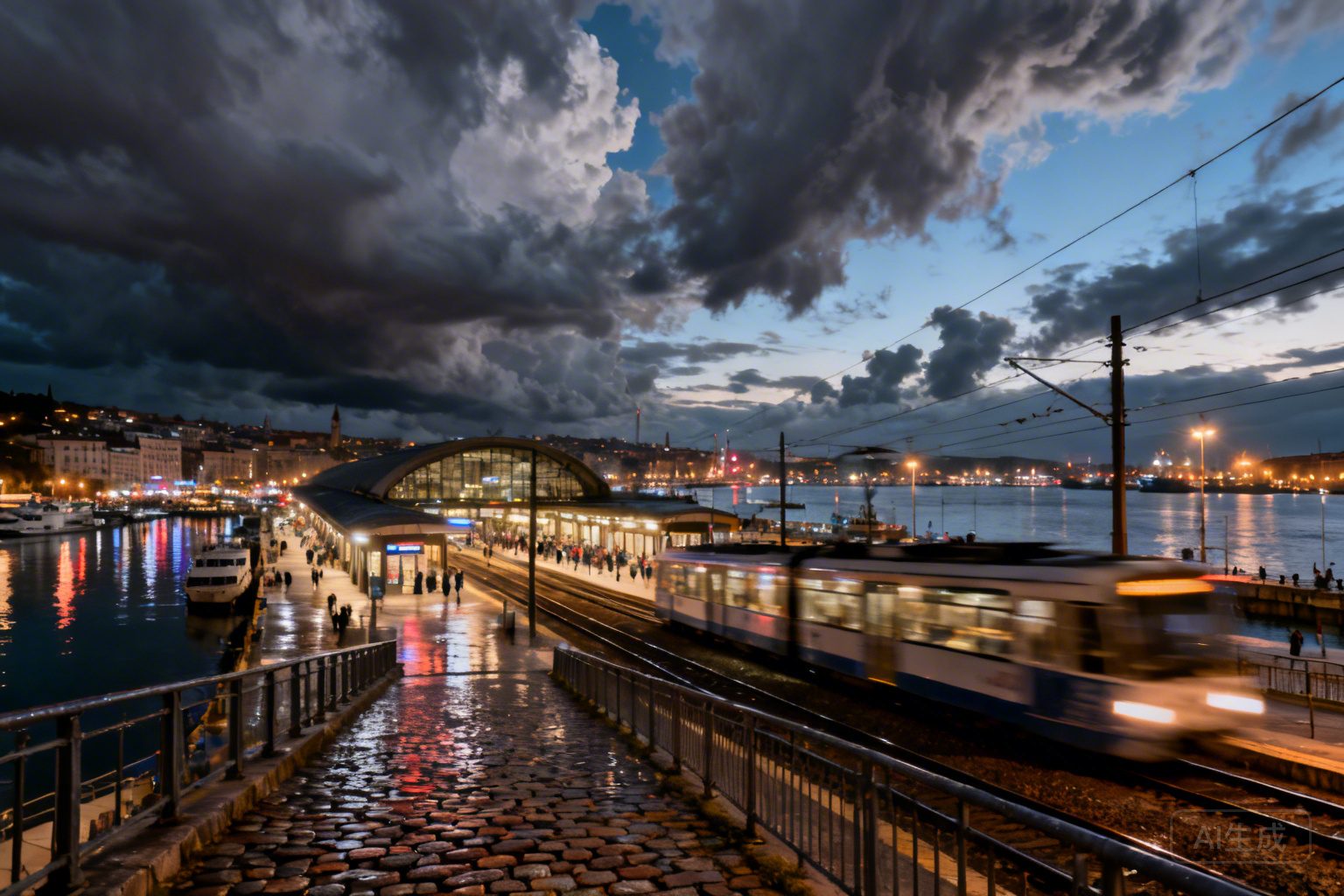
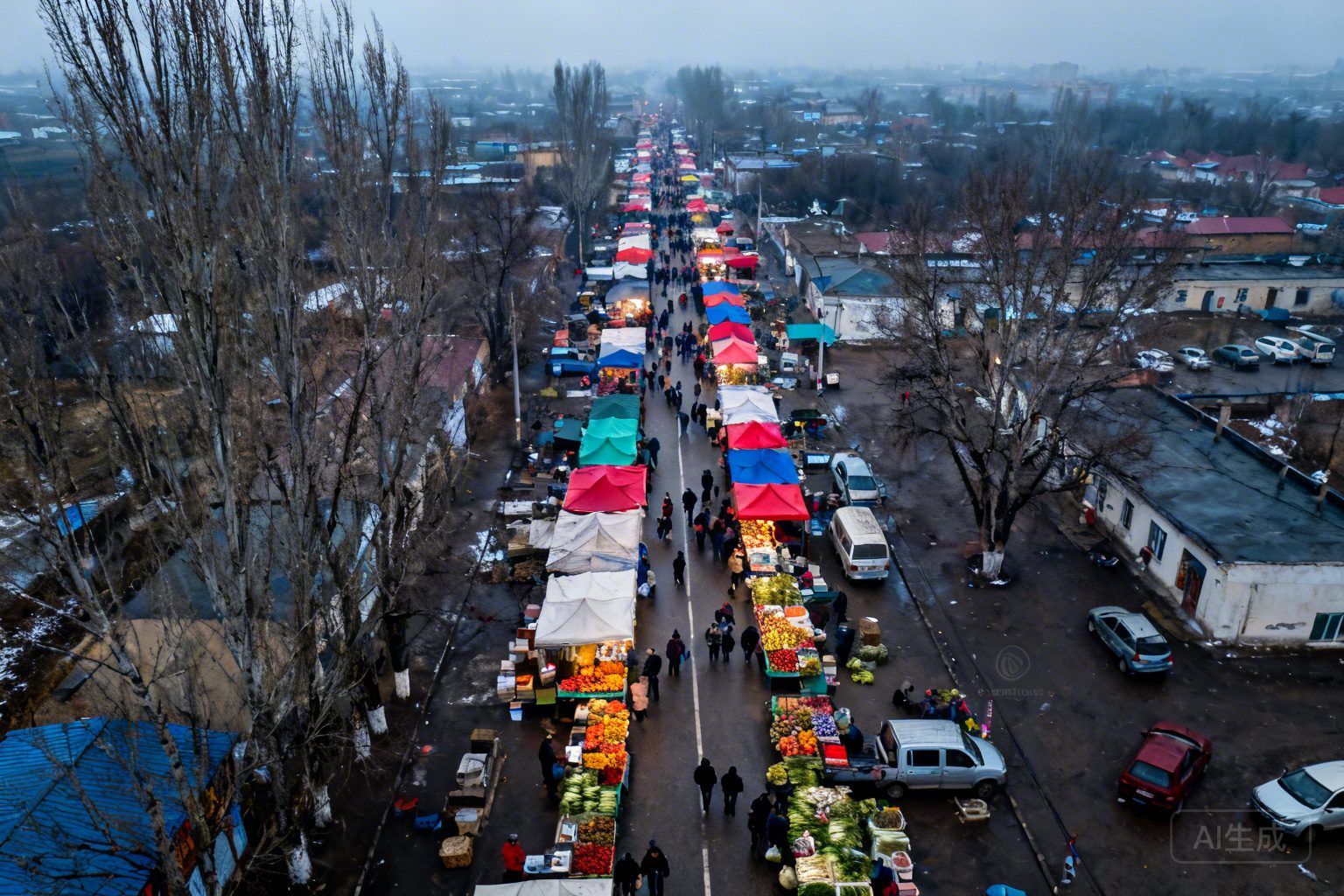
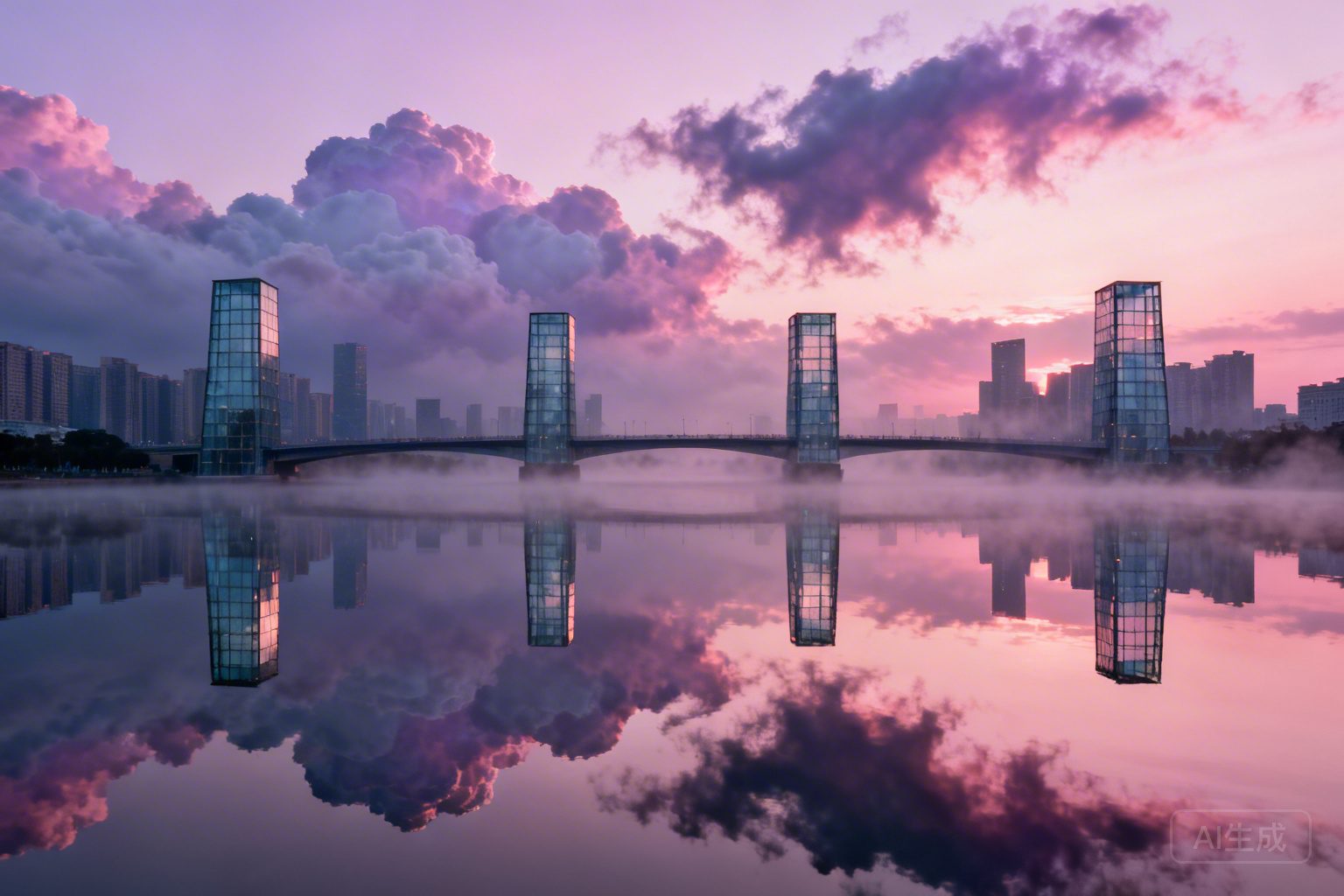
10 Reasons Why Phnom Penh is Even More Magical Than the Pictures!
The Humidity of History
The descent into Phnom Penh is never a clean slice through the air; it is a heavy, humid submergence into a soup of gold and silt. From thirty thousand feet, the Mekong looks like a discarded ribbon of copper silk, fraying at the edges where the monsoon rains have chewed into the red earth. You land, and the air hits you like a warm, wet towel scented with jasmine and diesel. This is not the sanitized, glass-and-steel Southeast Asia of Singapore or the hyper-neon frenzy of Bangkok. This is a city that breathes through its scars. It is a place where the 1920s Art Deco curves of a French villa are being slowly reclaimed by the emerald fingers of a banyan tree, and where the silence of a saffron-robed monk is the only constant against the cacophony of a million idling motorbikes.
You have seen the photos. The Royal Palace’s yellow spires stabbing a cerulean sky. The postcard-perfect sunset over the Tonle Sap. But the camera is a liar because it cannot capture the vibration of the city—the way the ground hums with a restless, subterranean energy that feels both ancient and frantic. To understand why Phnom Penh is more magical than the pixels suggest, you must first lose your fear of the grime. You must lean into the beautiful, chaotic decay.
1. The Patina of the “Pearl of Asia”
In the 1960s, they called it the Pearl of Asia, a title that feels less like a boast and more like a ghost when you walk the backstreets of Post Office Square. The magic here is tactile. It’s in the texture of the peeling ochre paint on the colonial-era shutters, layered like the skin of an onion, revealing decades of political shifts in shades of mustard, cream, and revolutionary grey. I spent an hour watching a brusque waiter at a nameless corner stall; he wore a stained white undershirt and moved with the economy of a knife-fighter, slamming condensed milk tins onto a Formica table with a rhythm that matched the idling of a nearby Tuk-Tuk.
The architecture is a dialogue between eras. You see the “New Khmer Architecture” of Vann Molyvann—bold, brutalist concrete structures that seem to float above the ground—standing in the shadow of a glass skyscraper that reflects nothing but the heat. The light in Phnom Penh at 4:00 PM is liquid amber. It catches the dust motes stirred up by a frantic office worker weaving his Honda Dream through a gap in traffic no wider than a breath. The photos don’t show the way the shadows stretch out, long and melancholic, across the Independence Monument, reminding you that this city was once emptied, silenced, and left for dead. Its survival isn’t just impressive; it is a miracle of stubbornness.