10 Reasons Why Porto is Even More Magical Than the Pictures!
1. The Geometry of a Granite Labyrinth
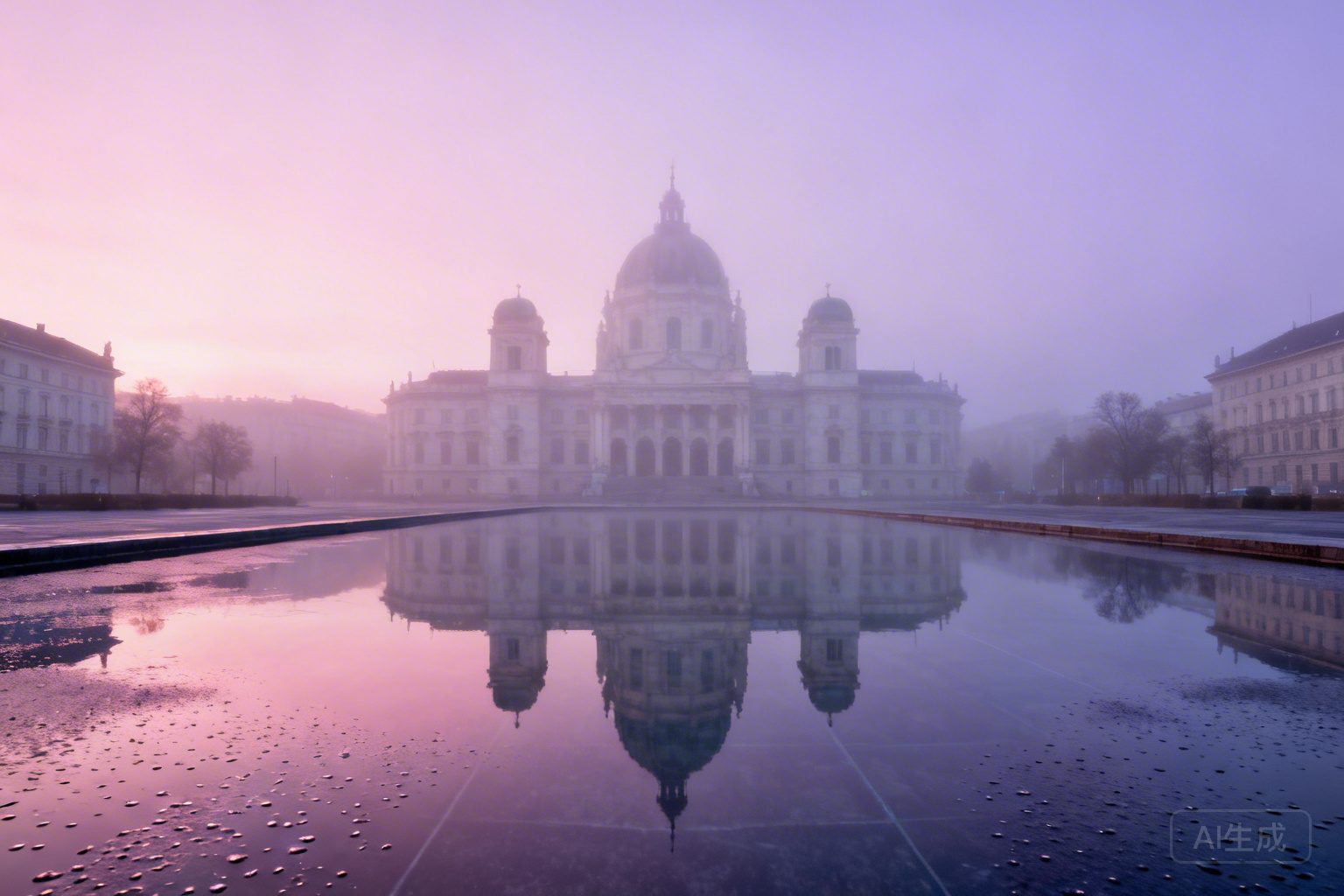
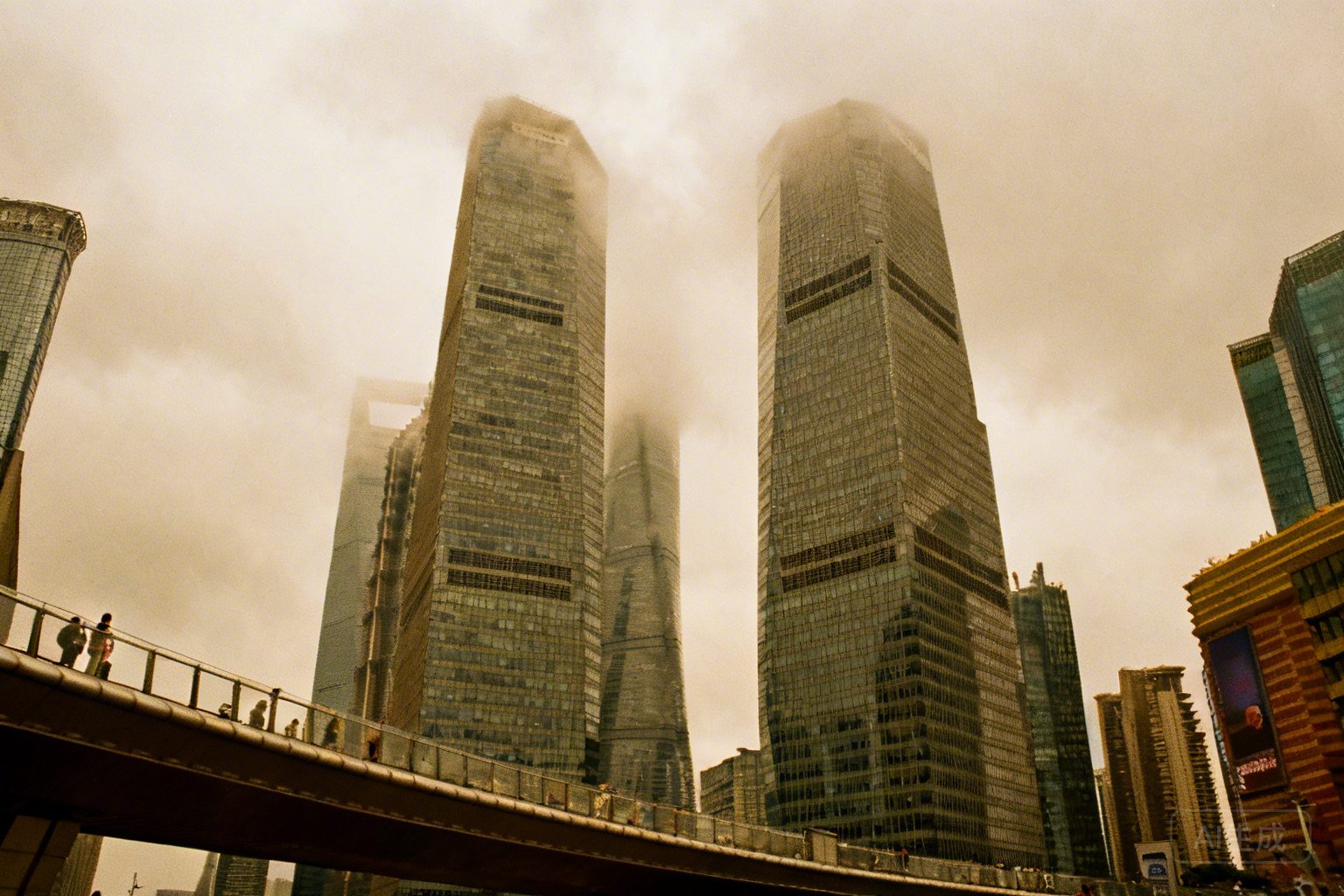
The photos you see on Instagram are usually filtered to death, saturated with blues and oranges that don’t actually exist. In reality, Porto is a city of granite, charcoal, and laundry flapping against peeling azulejos. It is not “pretty” in a polished, Parisian way; it is beautiful in the way an old, scarred wooden desk is beautiful. I’ve been living here for seven months now, drifting between short-term rentals and guesthouses, and I can tell you that the magic isn’t in the sunset at Ribeira. It’s in the way the fog—the nevoeiro—rolls off the Douro at 6:00 AM and swallows the city whole, making everything feel like a secret.
When you first arrive, you’ll try to navigate with Google Maps. Give up. The city is a three-dimensional puzzle. You’ll be looking at a destination that says it’s 200 meters away, only to realize there is a 40-foot vertical drop between you and that coffee shop. To live here is to develop calves of steel and a strange affection for the sound of your own heavy breathing as you scale the Escada do Código.
2. The Unwritten Rules of the Tripeiros
People here are called Tripeiros (tripe-eaters), a nickname earned back when they gave all their good meat to the sailors and kept the offal for themselves. This tells you everything you need to know about the local psyche: they are resilient, unpretentious, and fiercely proud. Unlike the more reserved Lisboetas, Porto locals will shout across the street to greet a neighbor, but they have a specific etiquette you must respect if you want to disappear into the fabric.
First: Tipping. It isn’t mandatory, and if you tip 20% like an American, you look like a mark. In a tasca (a local tavern), rounding up to the nearest Euro is plenty. Second: The Queue. It is invisible but sacred. Whether you are waiting for the 500 bus or a bifana at Conga, don’t push. Just make eye contact with the person who was there before you, acknowledge your place, and wait. Third: The “Bom Dia” rule. You do not enter a shop, a cafe, or an elevator without a “Bom Dia” or “Boa Tarde.” To omit this is to mark yourself as a ghost, and not the good kind.