10 Reasons Why Reykjavik is Even More Magical Than the Pictures!
The Lavender Hour in the World’s Northernmost Capital
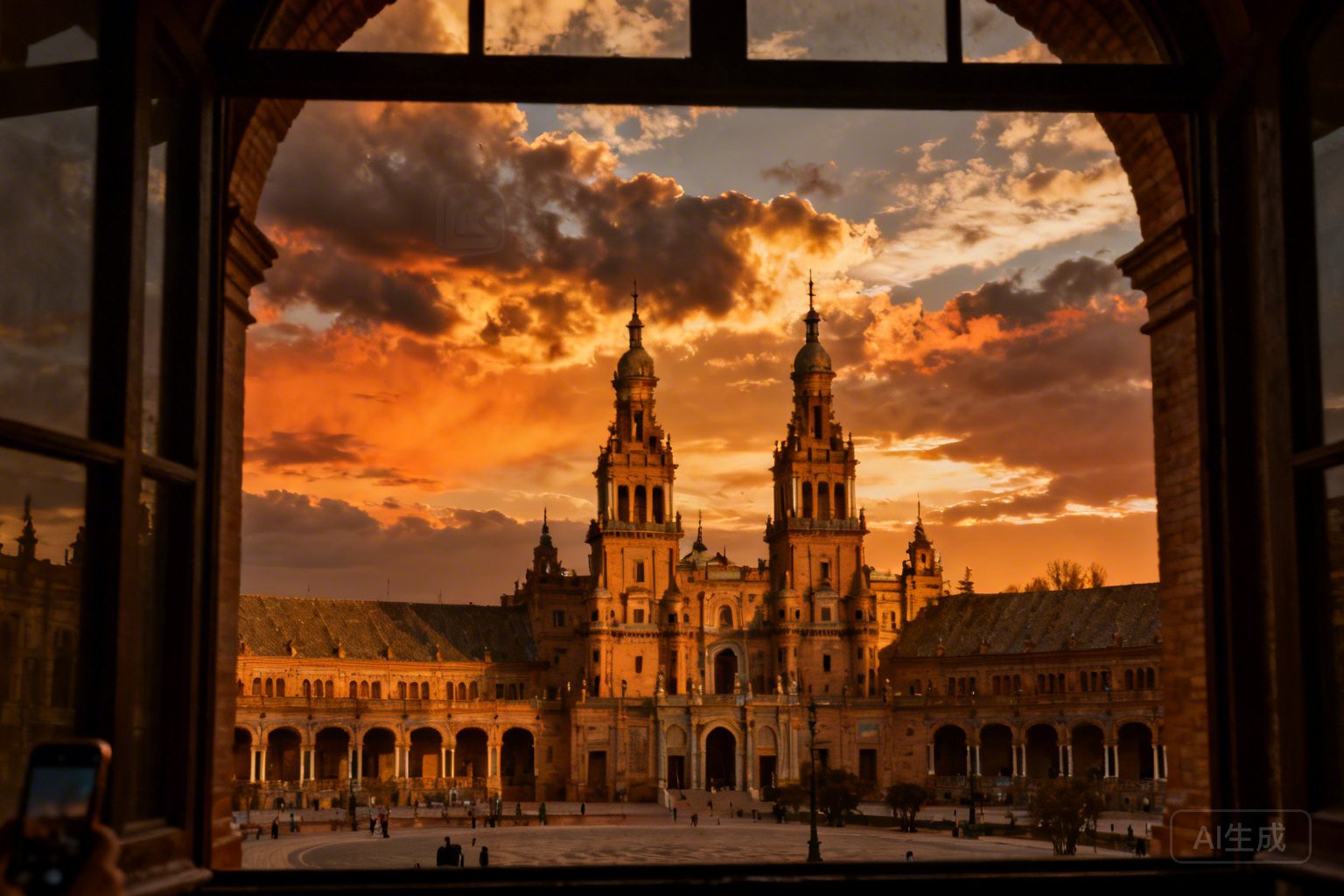
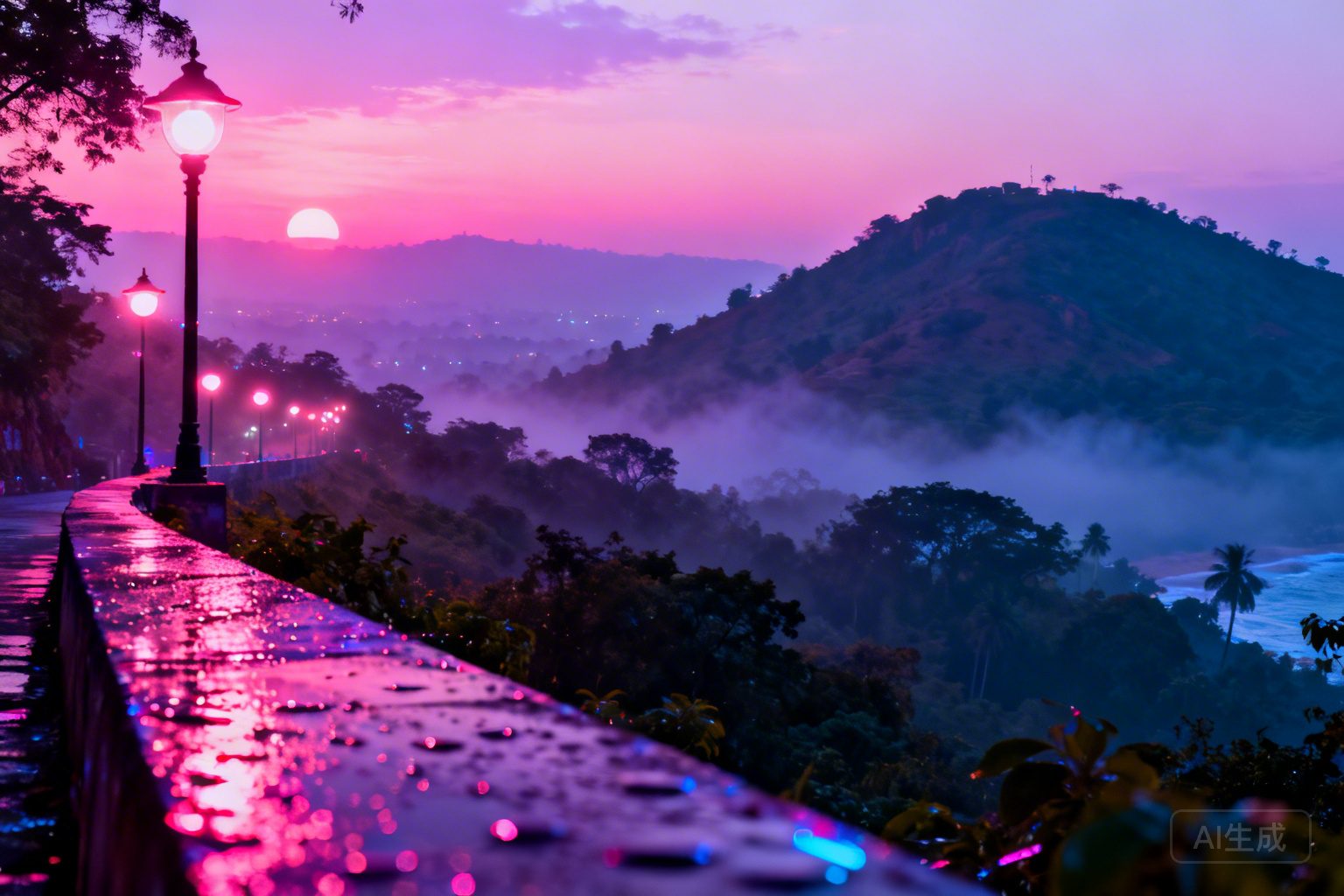
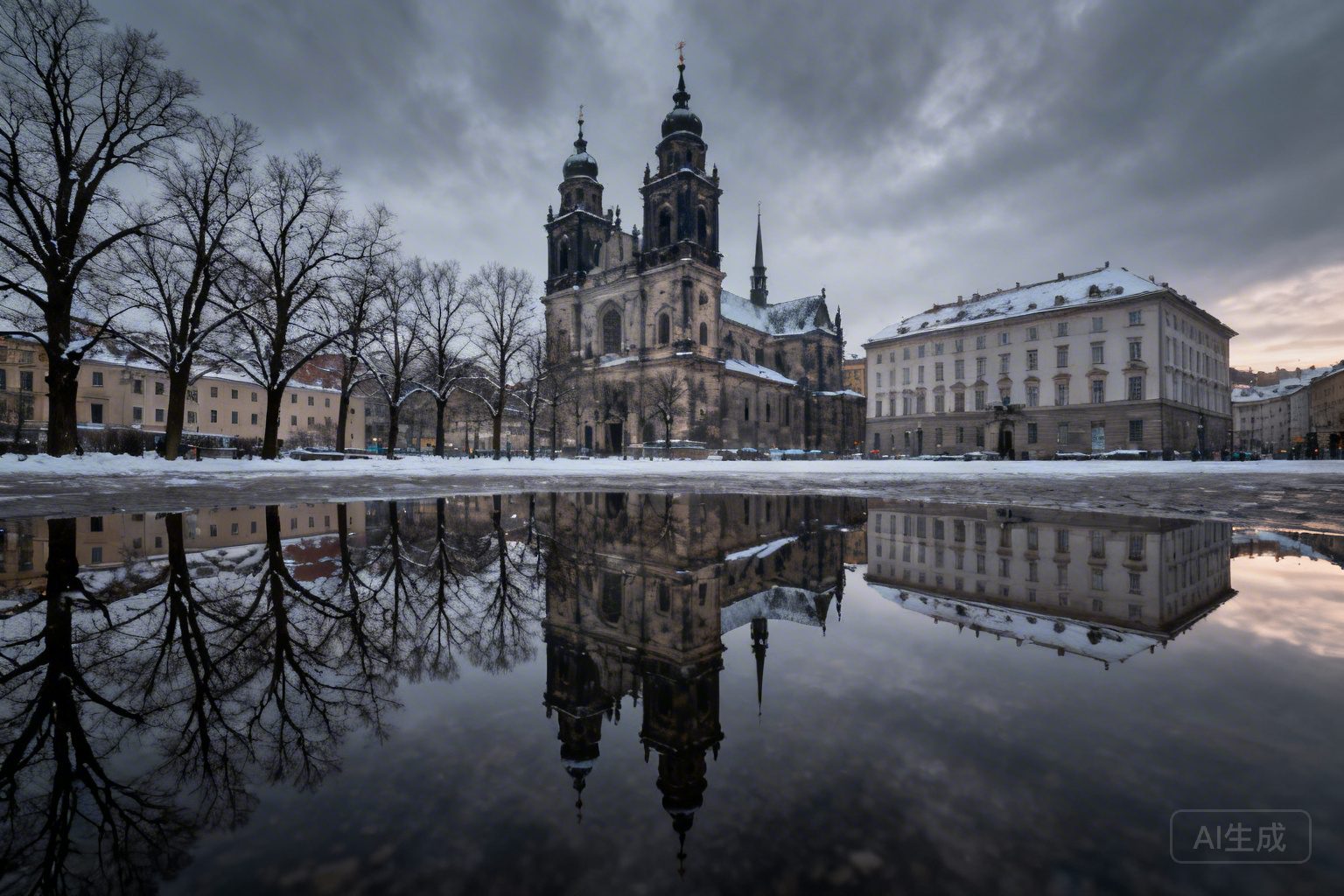
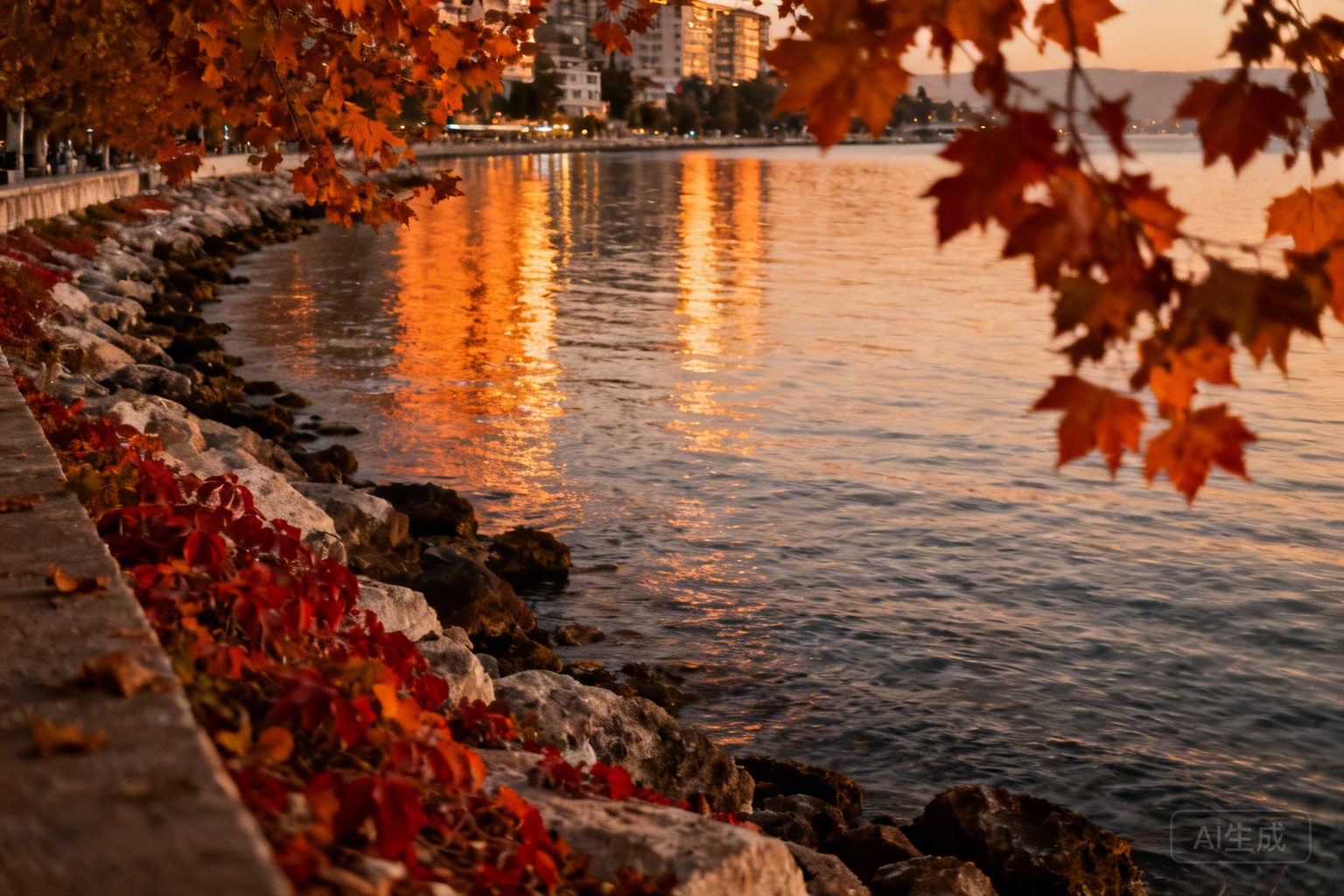
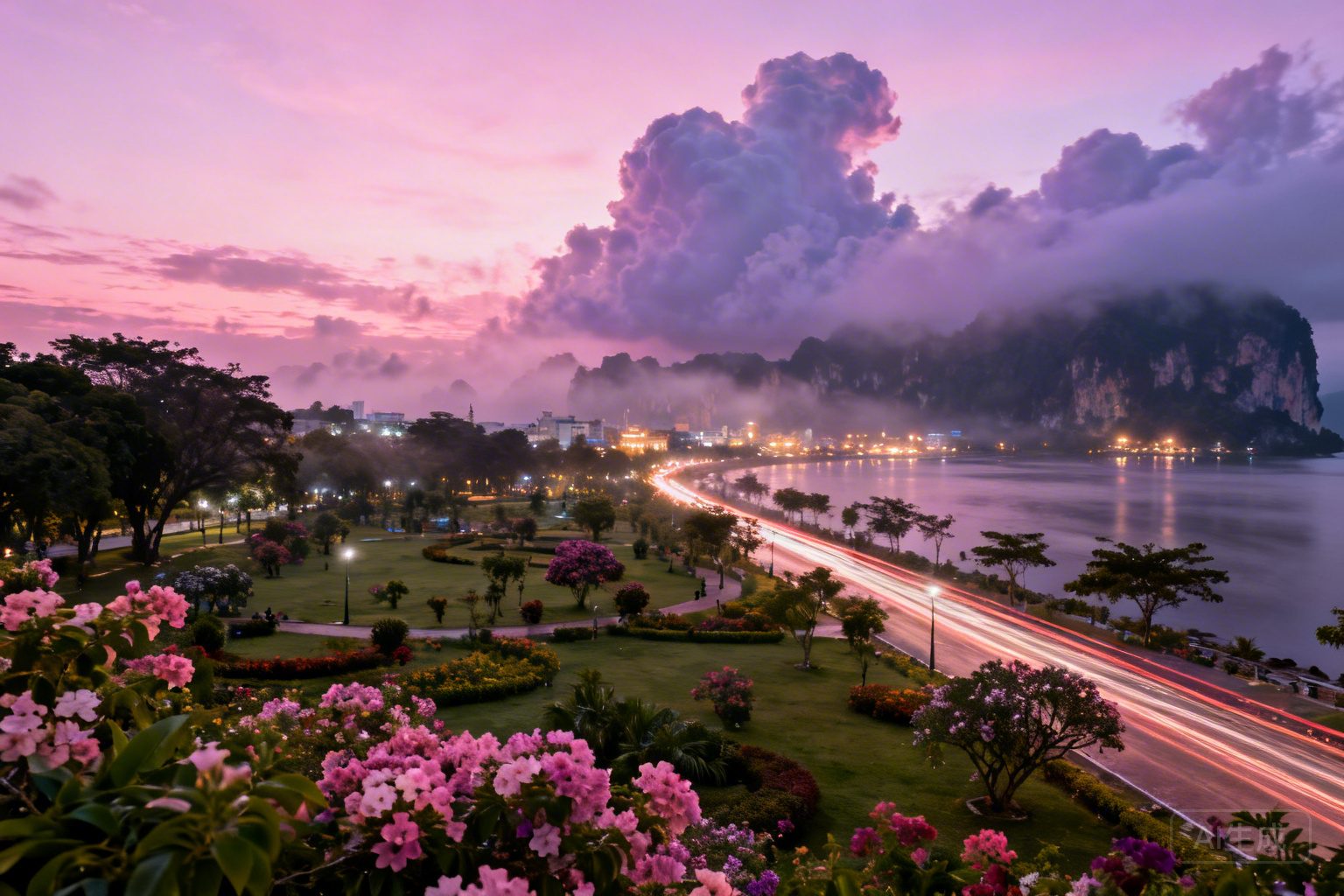
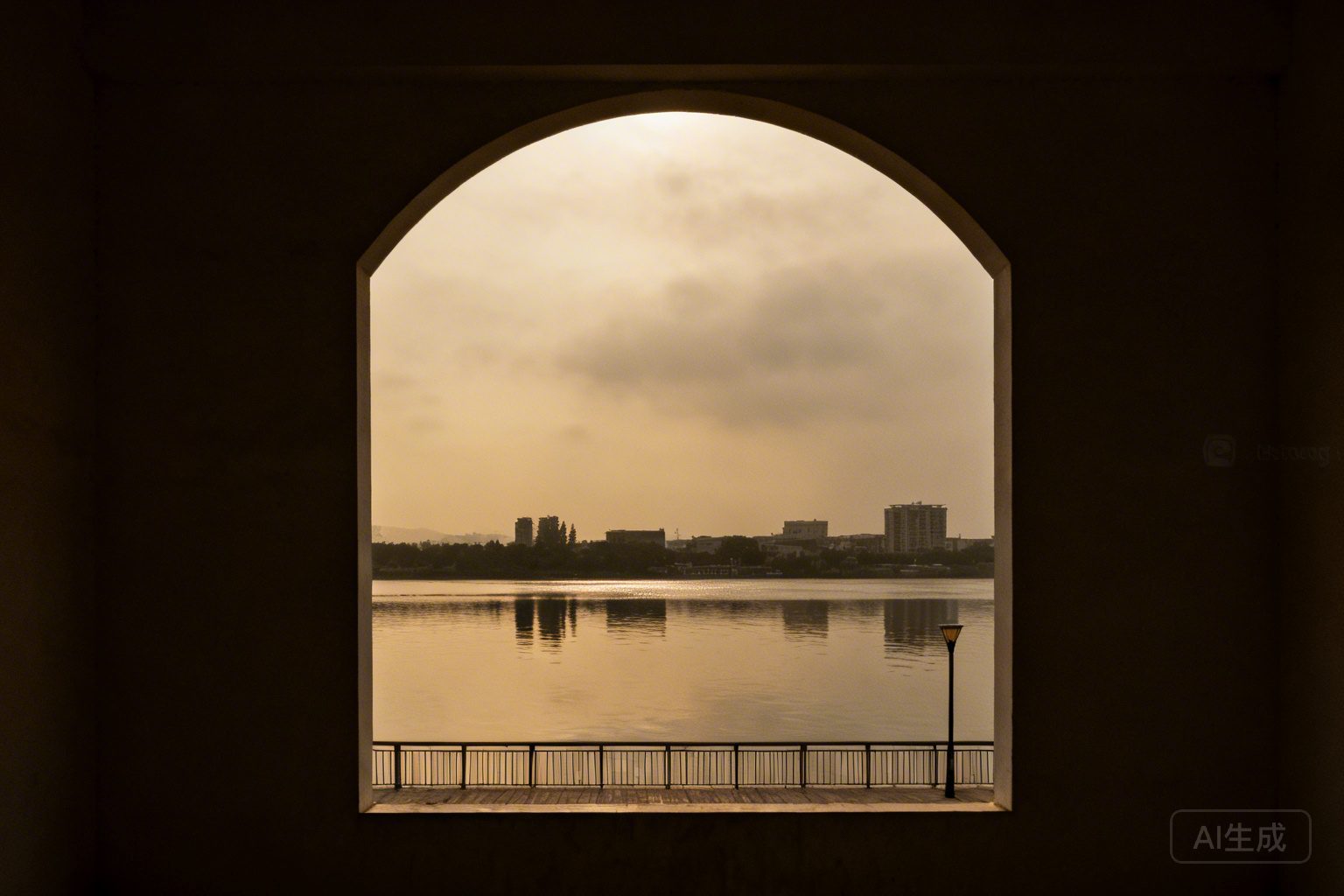
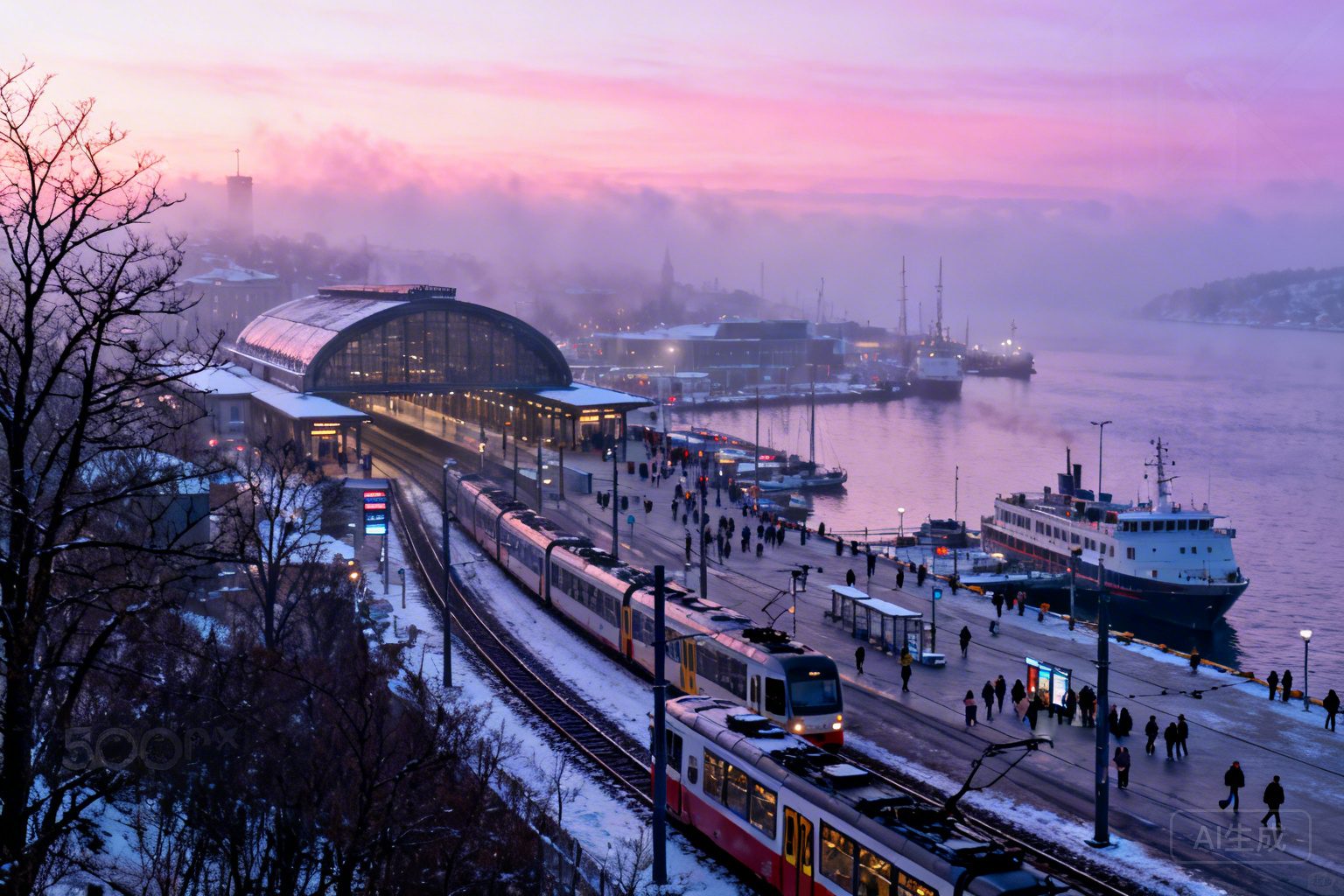
The light in Reykjavik does not simply illuminate; it conspires. It is a bruised, translucent violet that spills over the edge of Mt. Esja, staining the Faxaflói Bay in shades of charcoal and mercury. At 3:00 PM in the deep mid-winter, the sun is a coward, hugging the horizon like a guttering candle flame, refusing to climb but refusing to vanish. To see Reykjavik in a photograph—saturated, static, perhaps framed by the neon flick of the Aurora Borealis—is to see a taxidermied bird. It is beautiful, yes, but it lacks the heartbeat, the scent of brine and hydrogen sulfide, and the strange, rhythmic crunch of volcanic grit under a heavy boot.
I arrived as the wind whipped off the North Atlantic, a cold so surgical it felt like it was trying to map the geometry of my ribcage. But within twenty minutes of walking the crooked, salt-encrusted streets of the Old Harbour, I realized the camera lies by omission. It omits the smell of roasted lamb fat drifting from heavy oak doors and the way the corrugated iron houses hum when the gale hits them just right. Reykjavik is not a postcard; it is a living, breathing hallucination.
1. The Tactile Geometry of Corrugated Iron
In high-gloss travel brochures, the houses of the 101 district look like Lego bricks tossed onto a tundra. Up close, the reality is far more textured and defiant. These are not wooden cottages, but iron-clad fortresses. In the late 19th century, timber was scarce and the weather was a bastard, so the Icelanders imported corrugated zinc from England. Over a century later, these ribs of metal have become the city’s skin.
I ran my gloved hand along a house on Hellusund, feeling the Braille of peeling crimson paint where the salt air had chewed through the layers. The paint doesn’t just flake; it curls like dried parchment, revealing a history of previous aesthetics—a layer of sea-foam green beneath the red, a hint of charcoal beneath that. There is a specific, metallic resonance to the city when the rain hits these walls. It is a percussive, hollow sound, like a thousand tiny hammers working on a masterpiece that will never be finished. The pictures capture the color, but they miss the grit of the rust and the stubborn resilience of a house that refuses to rot.