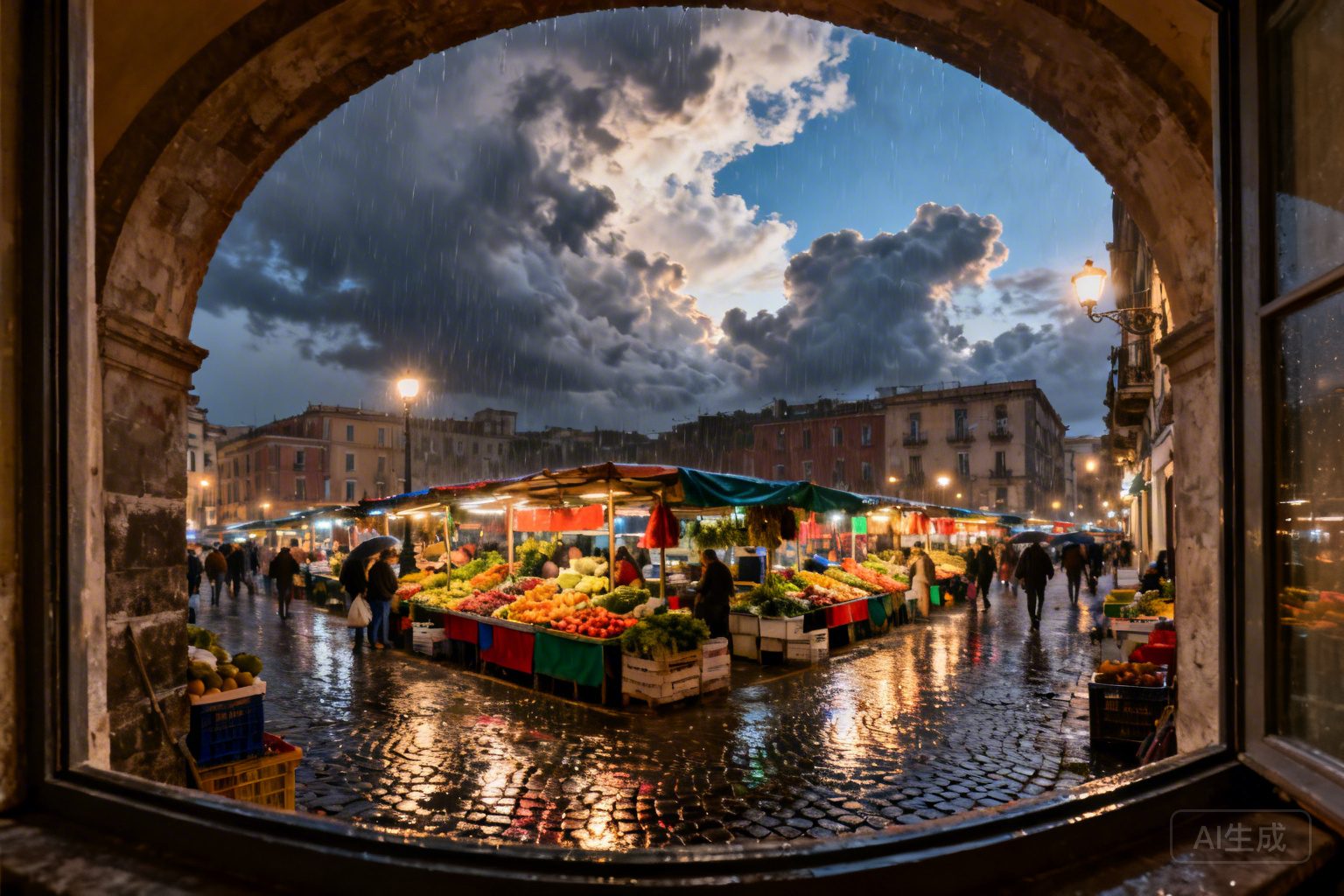
10 Reasons Why Tbilisi is Even More Magical Than the Pictures!
1. The Art of the “Invisible” Nomad
I’ve been here six months, and I still haven’t seen the inside of a tour bus. That’s the first rule of disappearing into Tbilisi: if you see a group of people following a flag-on-a-stick, walk the other way until you smell baking bread and hear the rhythmic thud of a carpet being beaten on a balcony. The pictures you see on Instagram—the neon-lit bridges and the sulfur bath domes—are beautiful, sure. But they are a postcard. They aren’t the city. The real Tbilisi is found in the sediment. It’s in the layers of Soviet concrete, 19th-century Italianate carvings, and the sheer, unadulterated chaos of a grapevine growing through a crack in a high-rise apartment block.
To live here is to accept a state of constant, pleasant disorientation. You don’t just “go for a walk.” You embark on a navigational puzzle where Google Maps is frequently a liar. But that’s why it’s magical. The city doesn’t give itself up easily. You have to earn it by getting lost in the “Italian courtyards” where neighbors still shout to each other across laundry lines, and by learning that the best wine doesn’t come in a labeled bottle, but in a repurposed plastic Coca-Cola jug handed to you by a man named Giorgi who lives in a basement.
2. The Unwritten Code of the Street
Before we dive into the neighborhoods, you need to understand the social mechanics. Tbilisi runs on a system of “aggressive hospitality” balanced with a stoic exterior. When you first walk into a khachapuri shop, the woman behind the counter might look like she’s deciding whether to serve you or fight you. Don’t be fooled. That’s just the “Tbilisi Face.” Once you say Gamarjobat (Hello) and show you aren’t a demanding tourist, the mask slips.
Tipping is expected but not American-style. 10% is usually added to the bill automatically in cafes; check the bottom of the receipt for “service.” If it’s not there, leave a few Lari. Queueing? Forget it. It’s a suggestion. If you’re at a busy bakery window, you need to hold your ground. If you leave a gap, a grandmother will materialize within it. It’s not rudeness; it’s spatial efficiency. Also, never—and I mean never—whistle indoors. It’s an old superstition that you’ll whistle your money away. I did it once in a shared workspace in Vera and the silence that followed was deafening.