10 Reasons Why Warsaw is the Perfect Destination for a Girls’ Trip!
The Phoenix and the Fizz: A Love Letter to a City Reclaimed
The air in Warsaw does not merely sit; it vibrates. It is a city of layers, a palimpsest where the ink of 1944 is still wet beneath the high-gloss lacquer of a twenty-first-century financial hub. To land at Chopin Airport with three of your closest friends is to enter a space defined by a peculiar, defiant elegance. It is a city that was systematically erased and then, with a stubbornness that borders on the miraculous, breathed back into existence using nothing but old photographs and the collective memory of its survivors. For a group of women seeking more than just another weekend of mass-produced cocktails and generic cobblestones, Warsaw offers a texture that is gritty, glamorous, and profoundly soulful.
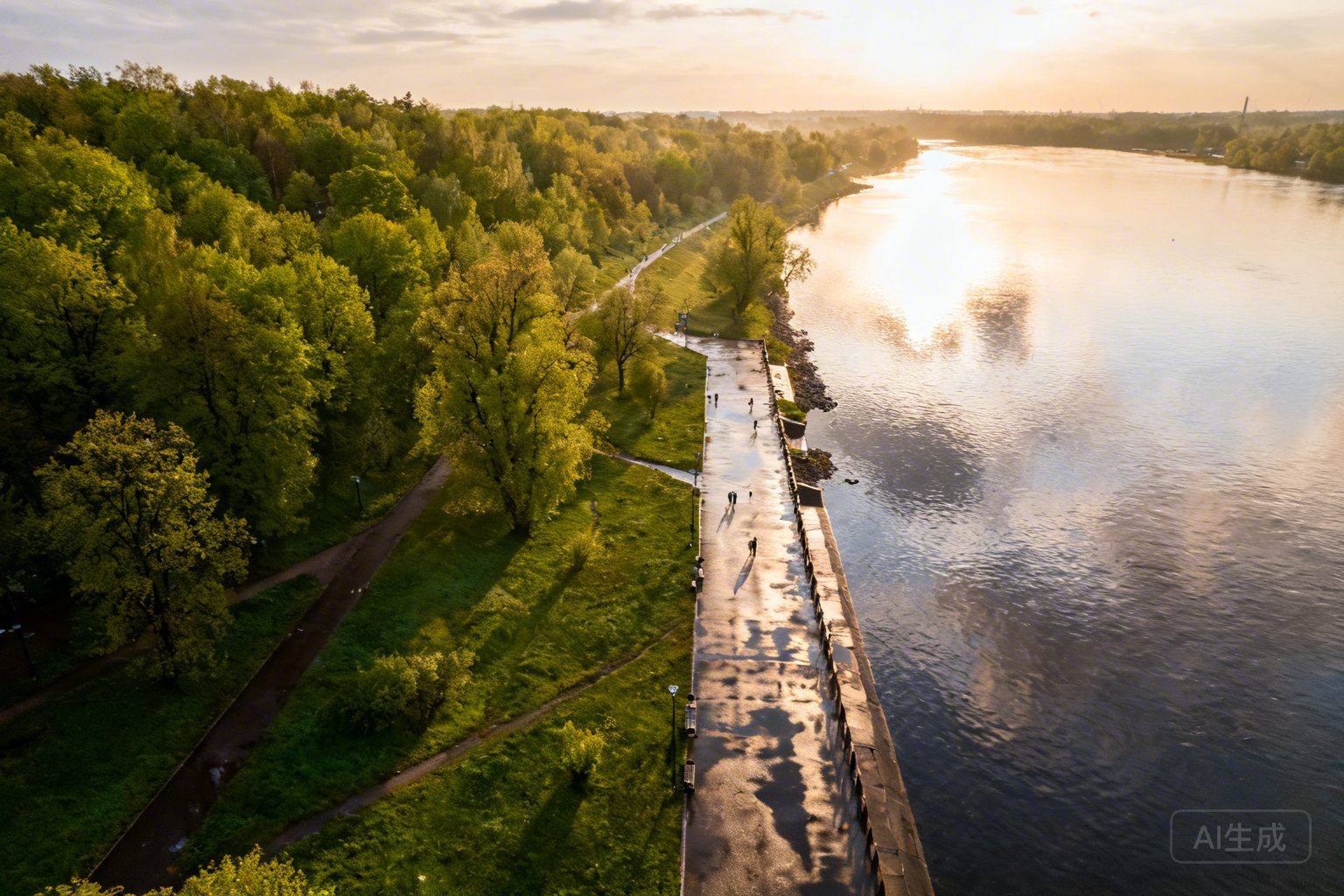
We arrived when the sun was a bruised plum hanging over the Vistula. The wind at the corner of Nowy Świat didn’t just blow; it whipped with a calculated chill, smelling of woodsmoke and expensive perfume. This is not the sanitized fairy tale of Prague or the calculated grandeur of Vienna. Warsaw is a city of jagged edges and soft interiors. It is a destination that demands you pay attention, promising in return an intimacy that few other capitals can muster.
1. The Architecture of Resurrection
We began our first morning in the Old Town, or Stare Miasto, which is perhaps the most beautiful lie in Europe. To walk these streets is to engage in a collective hallucination. Every pastel facade, every ornate wrought-iron balcony, and every sculpted cherub was reconstructed from the rubble after the Second World War. The paint on a heavy, hunter-green door near the cathedral wasn’t just peeling; it was shedding its skin in curls like dried tobacco, revealing the meticulous brickwork beneath. We ran our fingers over the stone, feeling the cold vibration of a history that refuses to stay buried.
The sensory contrast is startling. One moment you are in a Renaissance courtyard, the next you are staring at the Palace of Culture and Science—Stalin’s “gift” to the city—a monolithic grey skyscraper that looms like a silent, judgmental uncle. It is a brutalist masterpiece that the locals love to hate, its edges sharp enough to cut the clouds. We sat in its shadow, watching a frantic office worker in a slim-cut navy suit sprint across the concrete plaza, his leather briefcase slapping rhythmically against his thigh, his eyes fixed on a future that moves faster than the tram lines.