10 Reasons Why Xi’an is Even More Magical Than the Pictures!
The Dust and the Pulse
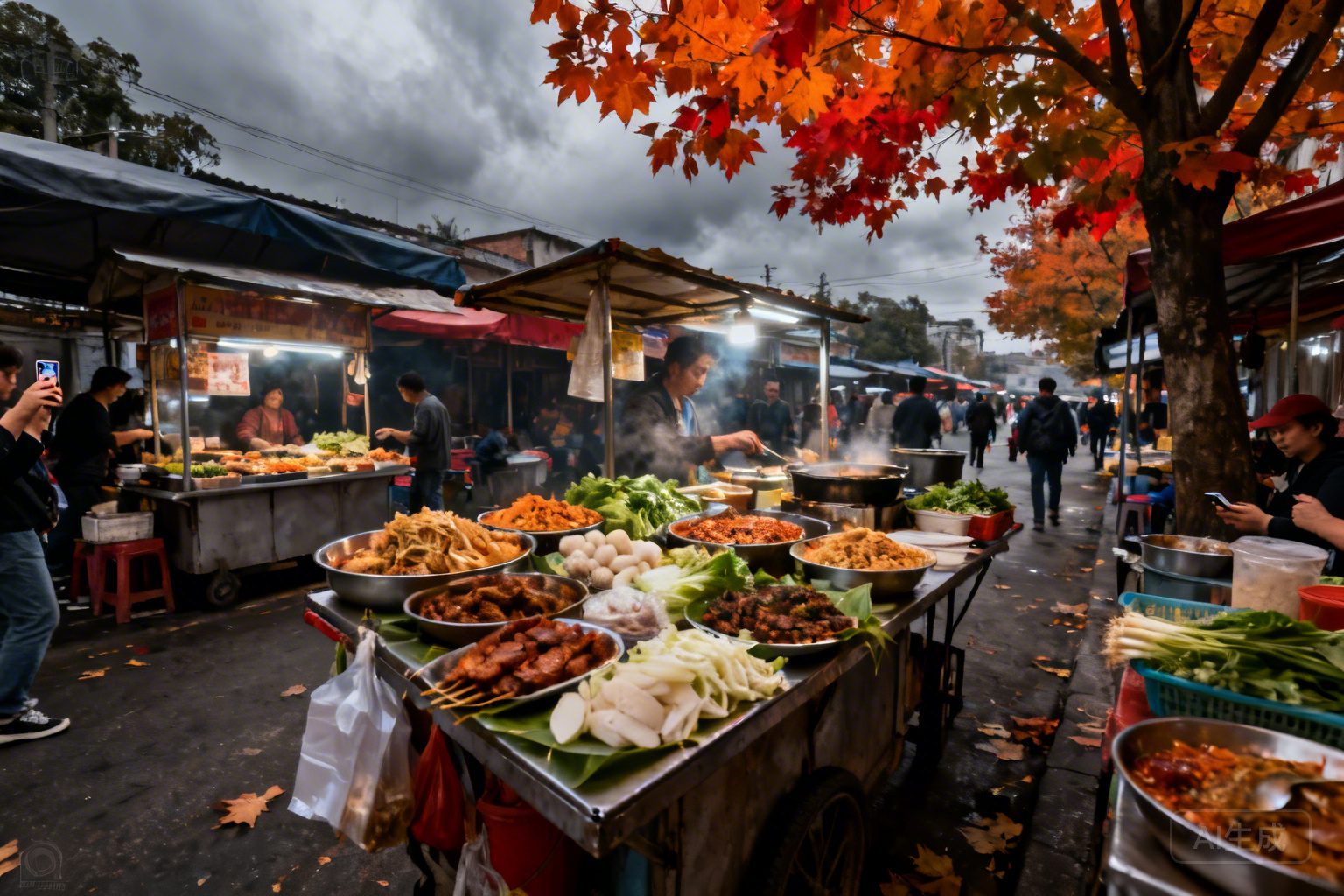
I didn’t come to Xi’an for the Terracotta Warriors. In fact, after three months of living here, I still haven’t seen them. When you’re living out of a suitcase and a local SIM card, the “must-see” sites start to feel like homework. I came here because I wanted to disappear into a city that feels like it’s built on layers of ghosts and garlic. Xi’an isn’t just a city; it’s a sprawling, humid, chaotic living room where the history is so thick you can taste it in the exhaust fumes and the steam from the bun shops.
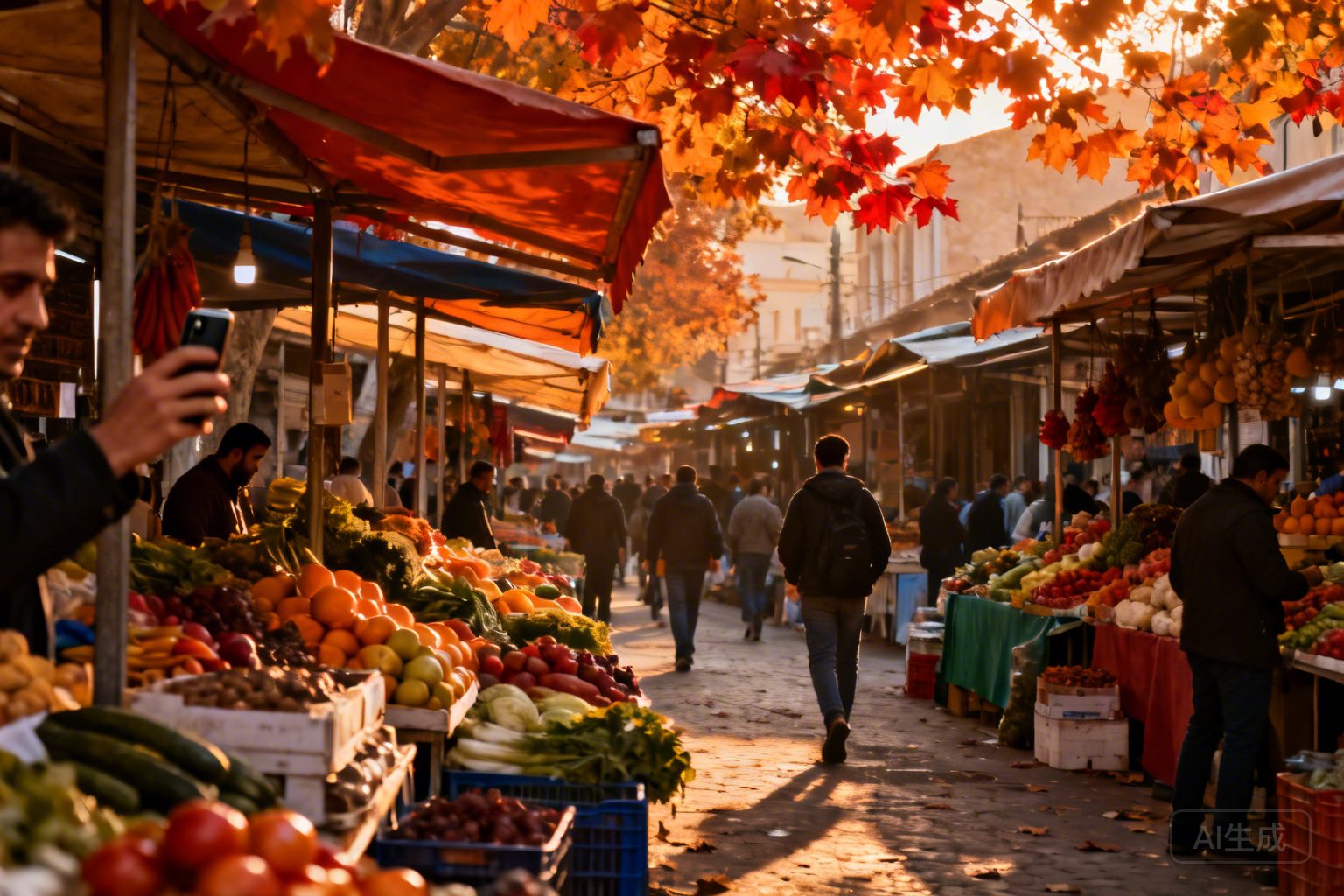
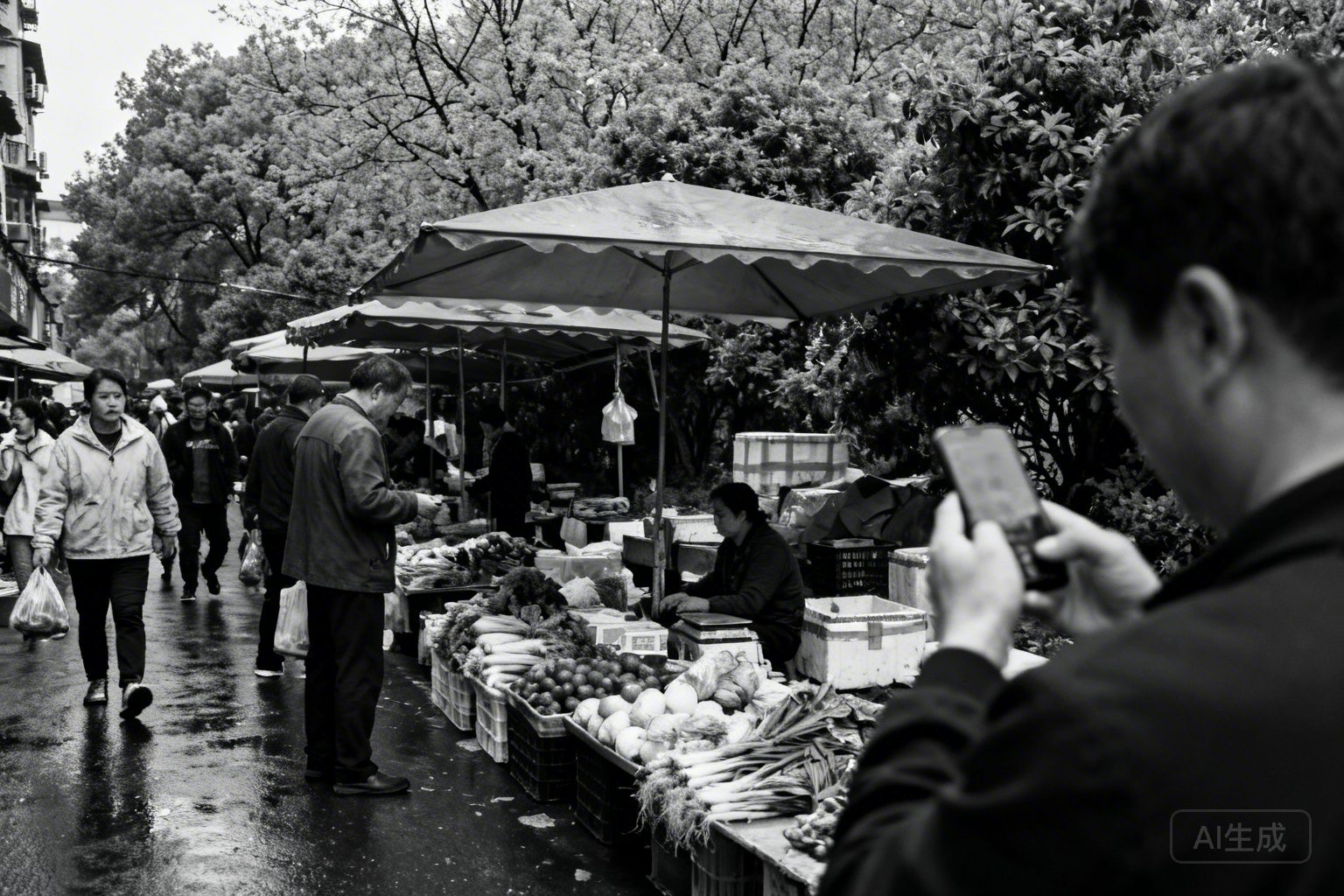
If you look at the photos online, you see the glowing City Wall and the neon of the Pagodas. But the reality is much grittier, much louder, and infinitely more addictive. It’s a place where the elderly play mahjong with a ferocity that borders on combat, and where the smell of cumin-spiced lamb follows you into your dreams. Here is why this city ruined my plans to leave after two weeks.
1. The Rhythm of the Unwritten Rules
Before we talk about the districts, you need to understand the social gravity here. Xi’an operates on a system of “aggressive kindness.” If you’re standing at a bus stop looking confused, three grandmothers will likely argue over which direction you need to go, eventually physically pushing you onto a bus. You don’t tip here—not at bars, not in taxis. In fact, trying to tip can sometimes be seen as an insult, as if you’re suggesting the business is a charity.
Queueing is a suggestion, not a law. If you stand politely behind someone, three people will slide into the gap you left. The rule is: lean in. Close the physical space. It’s not rudeness; it’s a high-density lifestyle. Also, learn the “nod.” A slight chin-up to the shopkeeper is more than enough. You aren’t a tourist; you’re a temporary fixture of the neighborhood. Act like it.