5 Exclusive Split Experiences That Money Can Actually Buy!
The White Stone Labyrinth: A Prelude to the Adriatic
Split is not a city you visit; it is a city you inhabit, a sprawling, limestone organism that breathes through the lungs of seventeen-hundred-year-old arches. The air here is thick with the scent of roasted coffee and the sharp, metallic tang of the Adriatic, a smell that clings to the back of your throat like a secret. To the casual traveler, it is a bustling port, a transit point to the islands. But for those with the means to peel back the layers of salt-crusted history, it is a playground of high-definition indulgence.
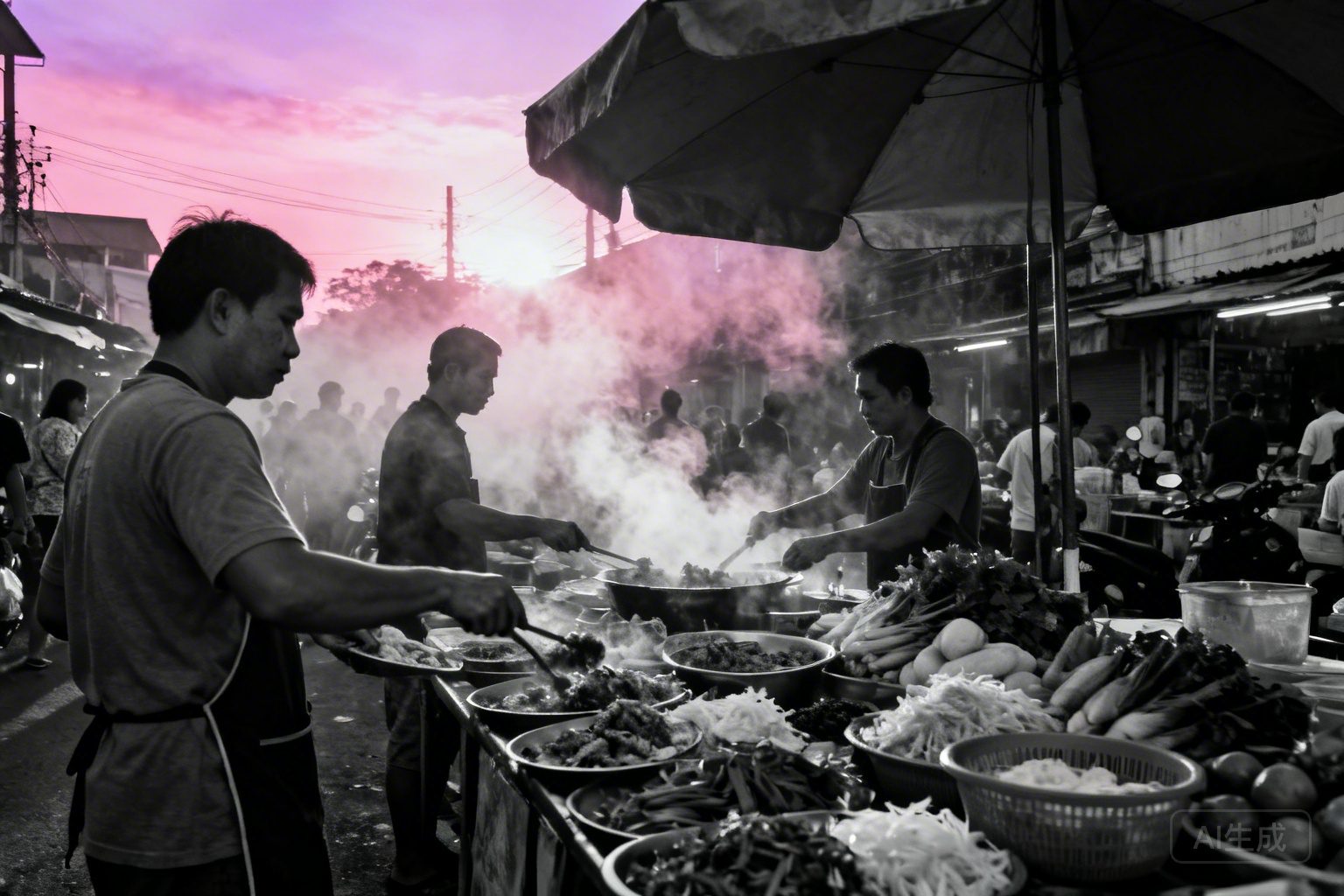
I arrived as the sun began its descent, turning the Marjan Hill into a silhouette of jagged pines. The Riva—the city’s wide, marble promenade—was a theater of the mundane and the magnificent. There was the waiter at the corner café, his waistcoat slightly frayed at the hem, balancing a silver tray with the practiced indifference of a tightrope walker. He didn’t look at the tourists; he looked through them, his eyes fixed on some invisible point on the horizon where the ferry to Ancona would eventually appear. Nearby, a group of local “pivači” leaned against a damp stone wall, their voices rising in a spontaneous klapa harmony that seemed to vibrate the very foundations of the palace.
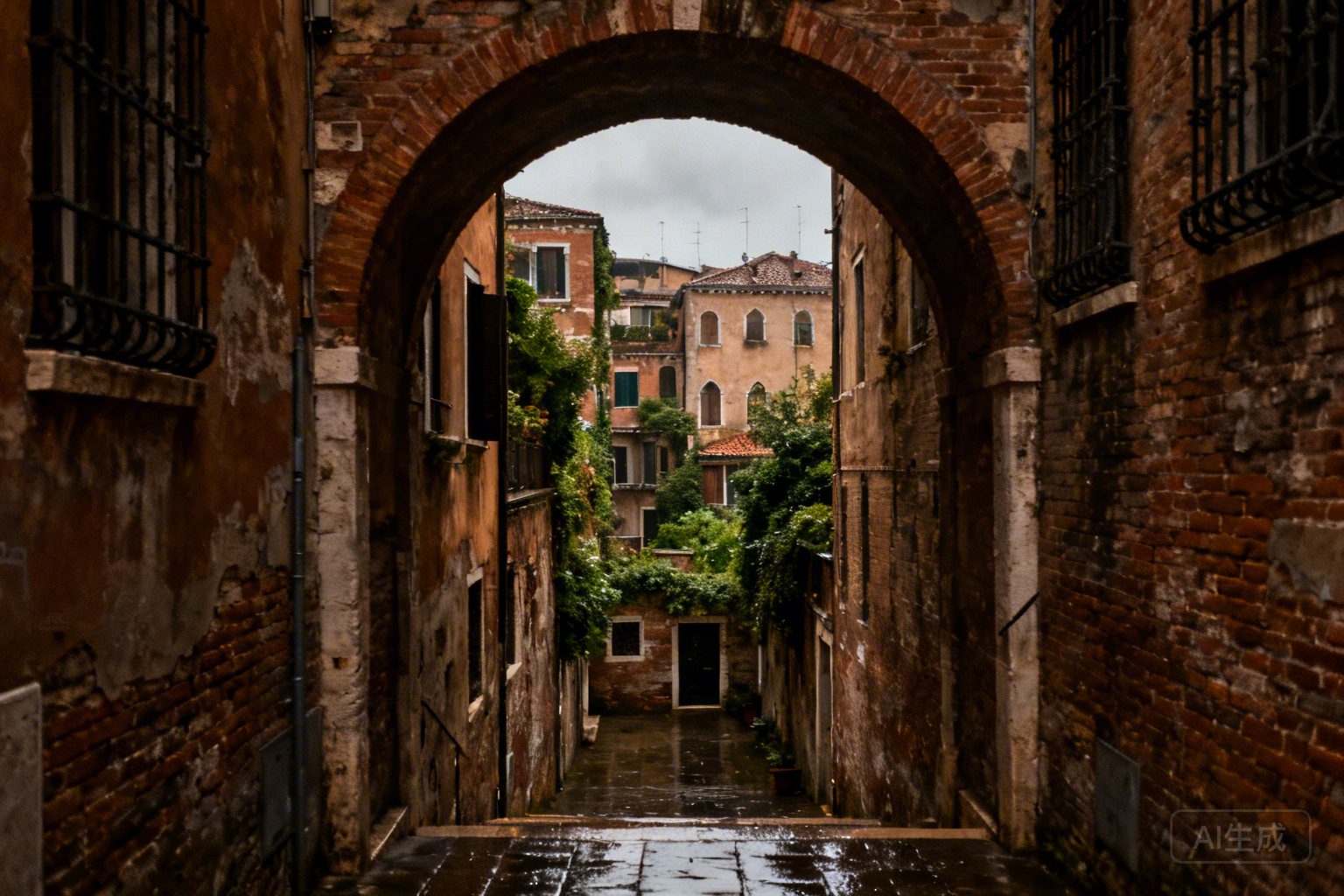
The light in Split has a specific quality—a bruised gold that illuminates the imperfections of the stone. You see the peeling green paint on a shutter that hasn’t been opened since the Yugoslav era. You feel the dip in the steps of the Peristyle, worn down by the sandals of Roman centurions and the Nikes of frantic backpackers alike. But we are not here for the backpackers. We are here for the Split that reveals itself only when the velvet ropes are unhooked.
I. The Emperor’s Midnight Table: Private Dining in the Substructures
The basement of Diocletian’s Palace is a subterranean cathedral of damp brick and echoes. During the day, it is a gauntlet of souvenir stalls selling lavender bags and imitation Roman coins. But at night, when the heavy iron gates groan shut, it becomes something else entirely. For a price that would make a senator weep, the city allows a singular table to be set amidst the colossal stone piers that once supported the Emperor’s private apartments.