7 Dreamy Rotorua Proposal Spots That Guarantee a ‘Yes’!
The Sulfur and the Silk: A Cartography of Commitment in Rotorua
The air in Rotorua does not simply exist; it possesses a weight, a silver-grey texture that clings to the back of your throat like a memory of a fire you weren’t invited to. It is the scent of the earth exhaling—a heady, primordial musk of hydrogen sulfide that the locals wear like an invisible, familiar wool coat. To the uninitiated, it is jarring. To the lover, it is the smell of a world still being born, a landscape where the crust of the planet is thin enough to hear the heartbeat of the gods. Here, in this caldera of steam and fern, the act of asking a lifelong question requires more than a ring; it requires a surrender to the volatile, beautiful instability of the ground beneath your feet.
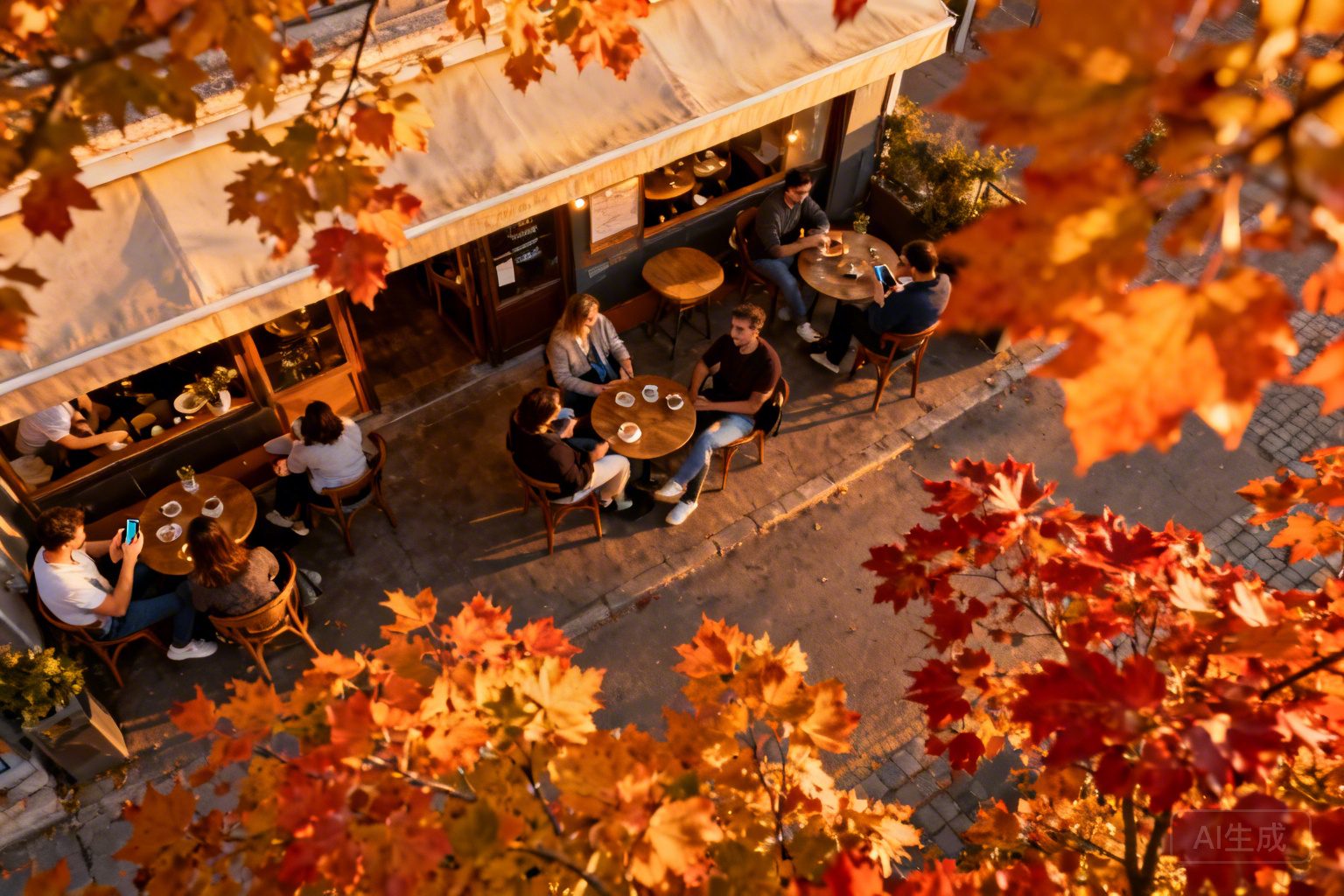
I sat yesterday at a small, wobbly bistro table near the lakefront, watching a waiter named Teaho—a man with knuckles like gnarled ginger roots and a tribal tattoo that crept up his neck like ivy—pour a long black with the precision of a diamond cutter. He didn’t smile. He didn’t have to. The steam from the coffee merged with the mist rolling off Lake Rotorua, a body of water that looks, on certain overcast mornings, like a sheet of hammered pewter. Teaho’s movements were a silent choreography of efficiency, his apron stained with the ghosts of a hundred lunches. He is the guardian of the morning caffeine, a stoic witness to the frantic tourists checking their GPS and the quiet locals who stare at the water as if reading a script only they can see.
To propose here is to lean into the steam.
1. The Cathedral of the Redwoods: Whakarewarewa Forest
There is a specific silence found only under the canopy of the Californian Redwoods, transplanted here a century ago and now standing as silent, terracotta-barked giants. The light filters down in bruised purples and pale ambers, caught in the fine lace of the ponga ferns. As you walk the elevated treewalk—a series of suspension bridges that sway with the rhythmic thud of your own pulse—the world below dissolves into a verdant blur. The wood of the handrails is smoothed by ten thousand palms, cool and slightly damp with the morning’s condensation.
You find a platform tucked away from the main arterial path. Above, the lanterns designed by David Trubridge hang like giant, geometric cocoons, waiting to glow as the sun dips. You see the frantic office worker on vacation, his eyes darting to his smart-watch, unable to shed the phantom limb of his productivity. Ignore him. Wait for the moment when the wind sighs through the upper boughs—a sound like a distant ocean—and the air smells of crushed pine needles and wet earth. This is where the earth feels ancient and immovable. It is the perfect irony: proposing on a swaying bridge held by giants.