7 Free Wonders in Boston That Are Better Than the Paid Attractions!
The Gilded Cobblestones: A Flâneur’s Guide to the Soul of Boston
Boston is a city that keeps its receipts. It is a place of ledger books and long memories, where the weight of the past is measured in the density of its red-brick gravity. To the uninitiated, the city is a gauntlet of ticket booths—twenty-five dollars to see where a tea party began, forty to climb into the belly of an aquarium, sixty for a seat at a ballpark that smells perpetually of spilled mustard and ancestral longing. But there is a secret city vibrating beneath the transaction. If you turn your collar up against the Atlantic wind and step off the paved path of the brochures, you find the things that cannot be bought because they are too heavy, too ancient, or too ethereal to carry a price tag.
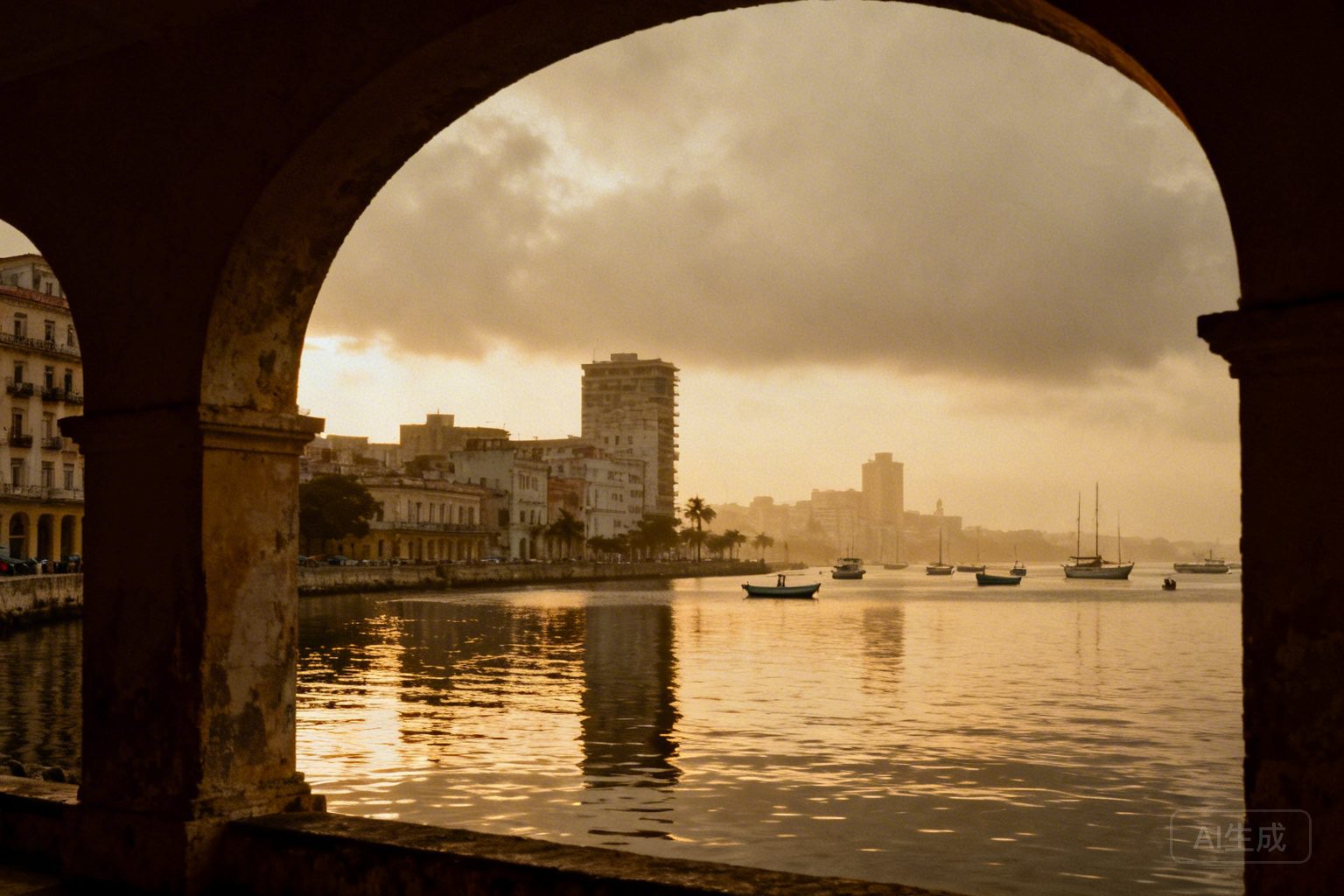
The air in early October carries a specific metallic tang, the scent of brackish water meeting cooling granite. I started my pilgrimage at the edge of the harbor, where the sky was the color of a bruised plum. Here, the city doesn’t just begin; it exhales.
1. The Whispering Gallery of the Customs House
Most tourists stare up at the Marriott Custom House Tower from the safety of the Greenway, their necks craning at the four-faced clock that famously never told the same time on all sides for decades. They pay for observation decks elsewhere. But the true wonder is the lobby, a neoclassical cathedral of commerce where the air is stilled by the weight of marble. Entrance costs nothing but a respectful nod to the security guard, a man whose skin looks like cured leather and who wears his uniform with the stiff dignity of a retired general.
Inside, the acoustics are a haunting architectural accident. If you stand near the fluted columns, you can hear the ghosts of nineteenth-century bureaucrats scratching nibs against parchment. The texture of the walls is cool, a damp stone smoothness that feels like touching a tombstone in a basement. You see them here: the frantic office workers from the Financial District, clutching lukewarm lattes like talismans, their eyes darting toward the rotunda as if looking for a way out of the twenty-first century. The silence is not empty; it is a pressurized container of history.