7 Free Wonders in El Nido That Are Better Than the Paid Attractions!
The Unchoreographed Archipelago: Chasing Ghosts and Gold in El Nido
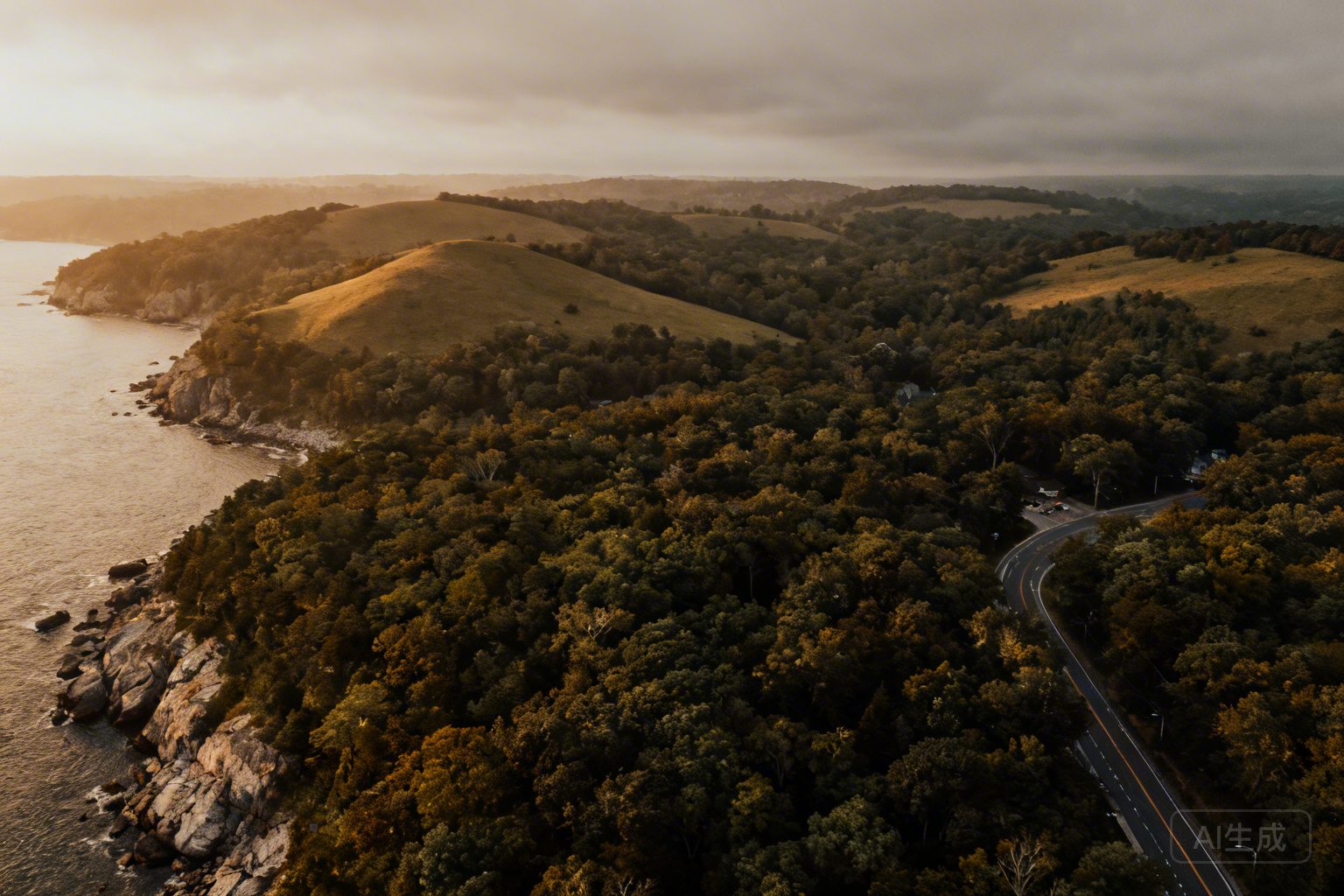
The dawn over Bacuit Bay does not arrive with a fanfare; it bleeds into existence, a bruised purple bruise that slowly heals into a pale, translucent indigo. I am standing on the balcony of a limestone-clutching guesthouse where the humidity feels like a wet wool blanket draped over the shoulders. Below me, El Nido town—once a skeletal fishing village, now a neon-shot labyrinth—is stirring. The smell is the first thing that hits you: a violent collision of roasting Barako coffee, the briny decay of low-tide mangroves, and the sharp, metallic tang of two-stroke engine exhaust.
Most travelers arrive here with a laminated itinerary clutched in their hands, their eyes fixed on the “Big Three”—tours A, B, and C. They pay their environmental fees, strap on rented neon-orange life vests, and huddle into outrigger boats like Technicolor sardines, all destined for the same turquoise lagoons where the selfies are choreographed and the silence is bought. But there is another El Nido. It is a place of jagged karst shadows and hidden coastlines where the currency isn’t the Philippine Peso, but the willingness to bruise one’s shins and wake up before the sun has decided to forgive the earth.
The paid wonders are magnificent, yes, but they are curated. They are the museum gallery. I am looking for the artist’s messy, salt-stained studio.
1. The Vertical Cathedral of Taraw Peak
Long before the first paraglider touched the sands of Palawan, the Tagbanua people looked at the limestone cliffs—the *taraw*—and saw not a tourist attraction, but a fortress. To climb the “Canopy Walk” costs a few hundred pesos, and they give you a helmet and a harness. It is safe. It is sanitized. But if you edge past the souvenir stalls toward the northern hem of the town, there is a scramble that remains unofficial, raw, and pulse-quickening.