7 Free Wonders in Granada That Are Better Than the Paid Attractions!
The Gilded Shadow of the Alhambra
The Alhambra is a ghost that haunts Granada. It sits atop the Sabika hill, a terracotta crown of fortifications and lace-like stucco that commands every gaze, every camera lens, and every euro in the city’s coffers. To visit Granada and skip the Nasrid Palaces is often considered a travel heresy, a deliberate act of cultural negligence. But there is a secret known only to those who have missed the three-month-out booking window or those who find the choreographed shuffle of audio-guided tour groups a claustrophobic bore. The secret is this: the Alhambra is the sun, but the city’s soul lives in the shade.
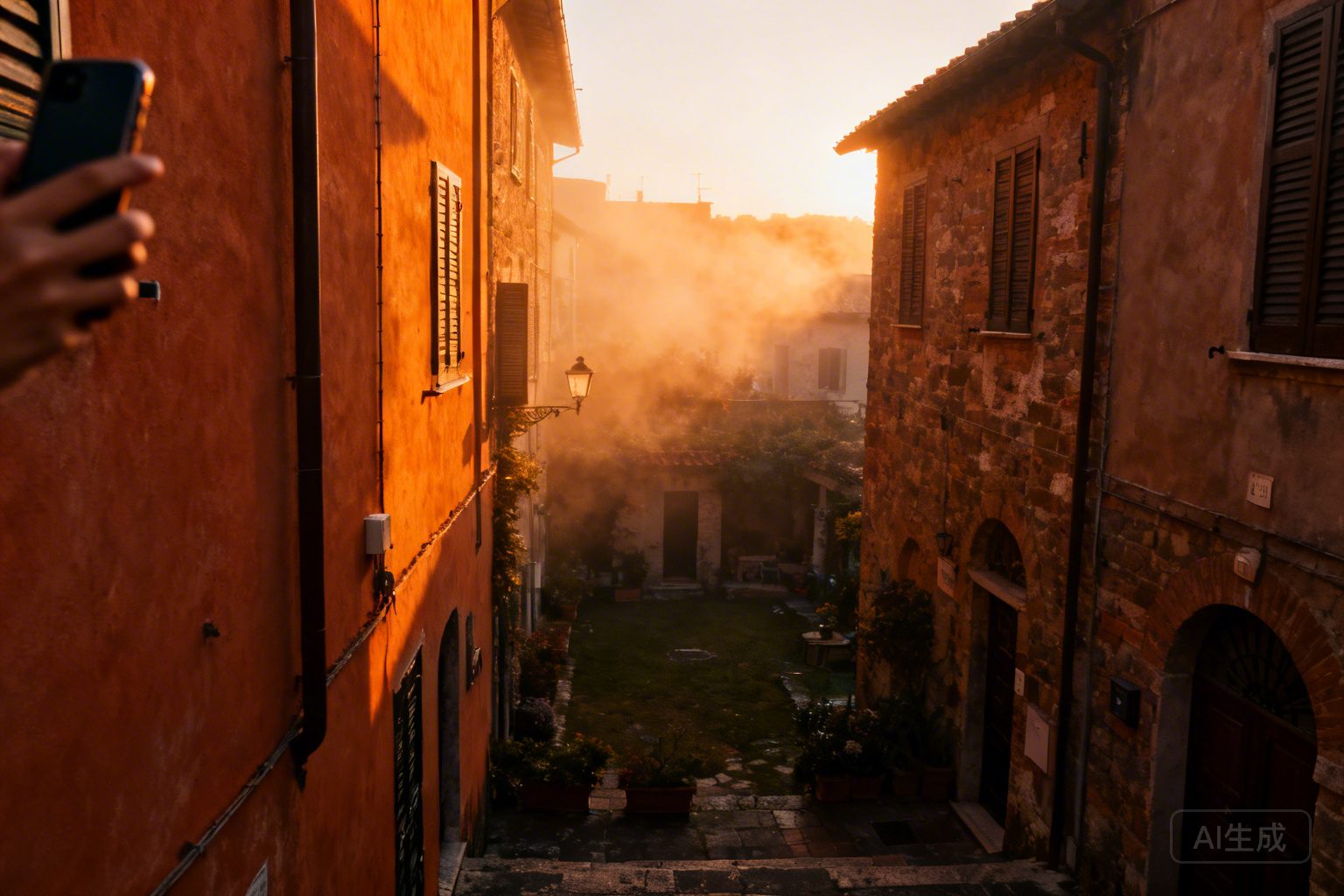
I arrived as the Sierra Nevada mountains were still blushing with the last of the winter’s alpine glow, the wind cutting through the narrow capillaries of the Albaicín with the sharpness of a Moorish scimitar. My boots clicked against the river-stone cobbles—the empedrado granadino—a mosaic of white and grey pebbles worn smooth by five centuries of footfalls. I wasn’t looking for a ticket booth. I was looking for the Granada that exists in the interstices of the guidebooks, the city that offers its most profound treasures for the price of a curious heart and a sturdy pair of lungs.
Granada does not reveal itself to the rushed. It is a city of layers, of Islamic foundations supporting Catholic cathedrals, of cave-dwellers living above luxury boutiques. To find the “wonders” that cost nothing, one must accept a certain level of physical exertion and a willingness to get lost in a labyrinth designed specifically to confuse invading armies. Here, the map is a lie; the gravity of the slope is the only honest guide.
1. The Echoes of the Bañuelo: The River of Light
We begin at the Carrera del Darro, a street so narrow and photogenic it feels like a film set curated by Almodóvar. To the right, the Darro river—a modest stream that thinks it’s a torrent—gurgles over moss-slicked stones. To the left, the walls of the Albaicín rise like a white tidal wave. Most tourists queue for the El Bañuelo (the Arab Baths), paying their few euros to see the star-shaped skylights. But the real wonder is the street itself at 7:30 AM, before the souvenir shops roll up their metal shutters with a cacophonous clatter-bang.