7 Free Wonders in Manila That Are Better Than the Paid Attractions!
The Humidity of History: Finding Manila’s Soul Without a Receipt
Manila is a city that demands a tax just for breathing. It is a metropolis of toll gates, “service charges,” and the ubiquitous “convenience fee” that feels like a pickpocket’s handshake. The air itself feels heavy, thick with the scent of frying garlic, diesel exhaust, and the salt-crust of the bay—a humidity so dense it clings to your skin like a damp wool coat in a sauna. Most travelers are funneled toward the air-conditioned purgatory of the mega-malls or the sanitized, ticketed history of the San Agustin Museum. They pay to see the past behind velvet ropes. They pay for the illusion of order.
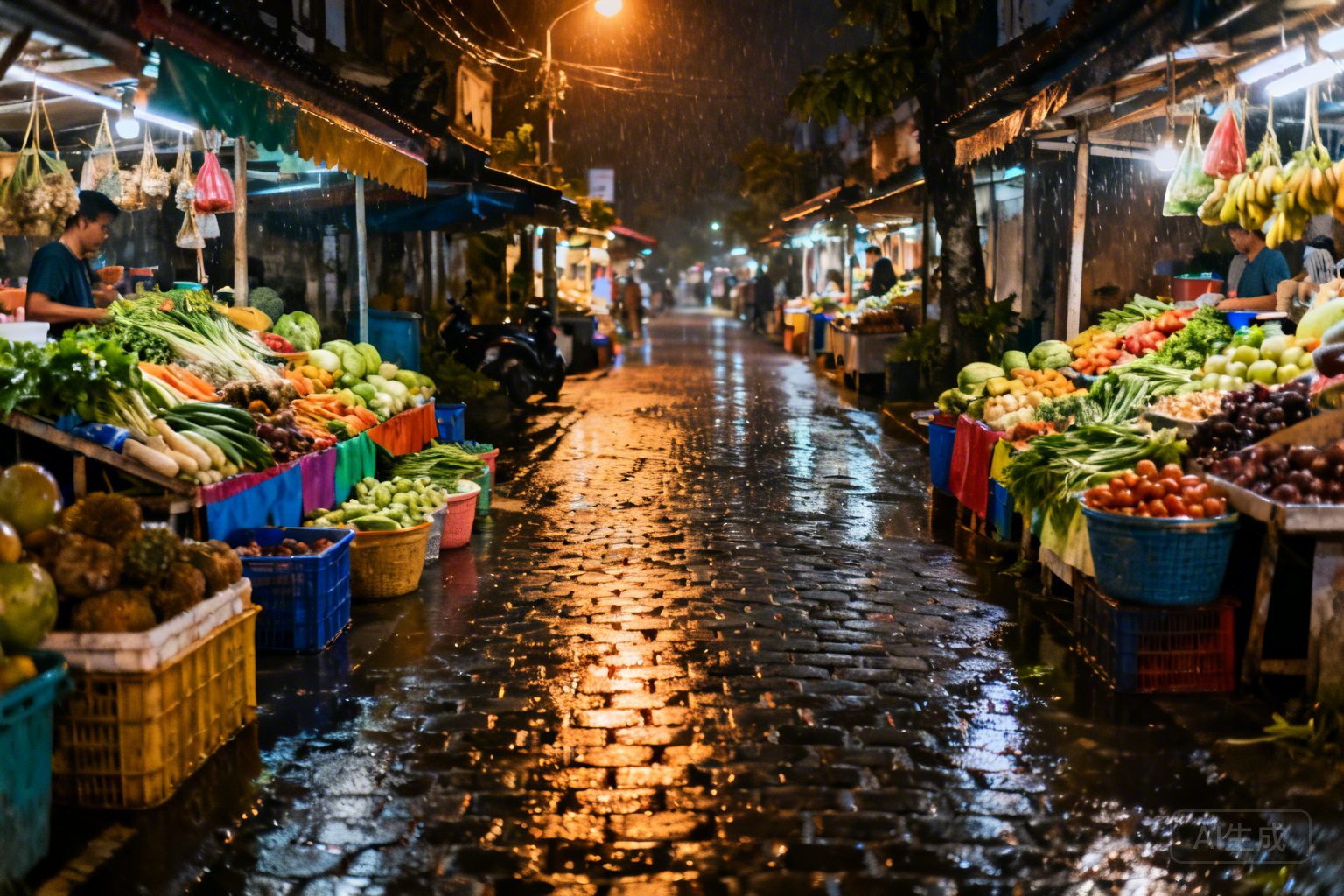
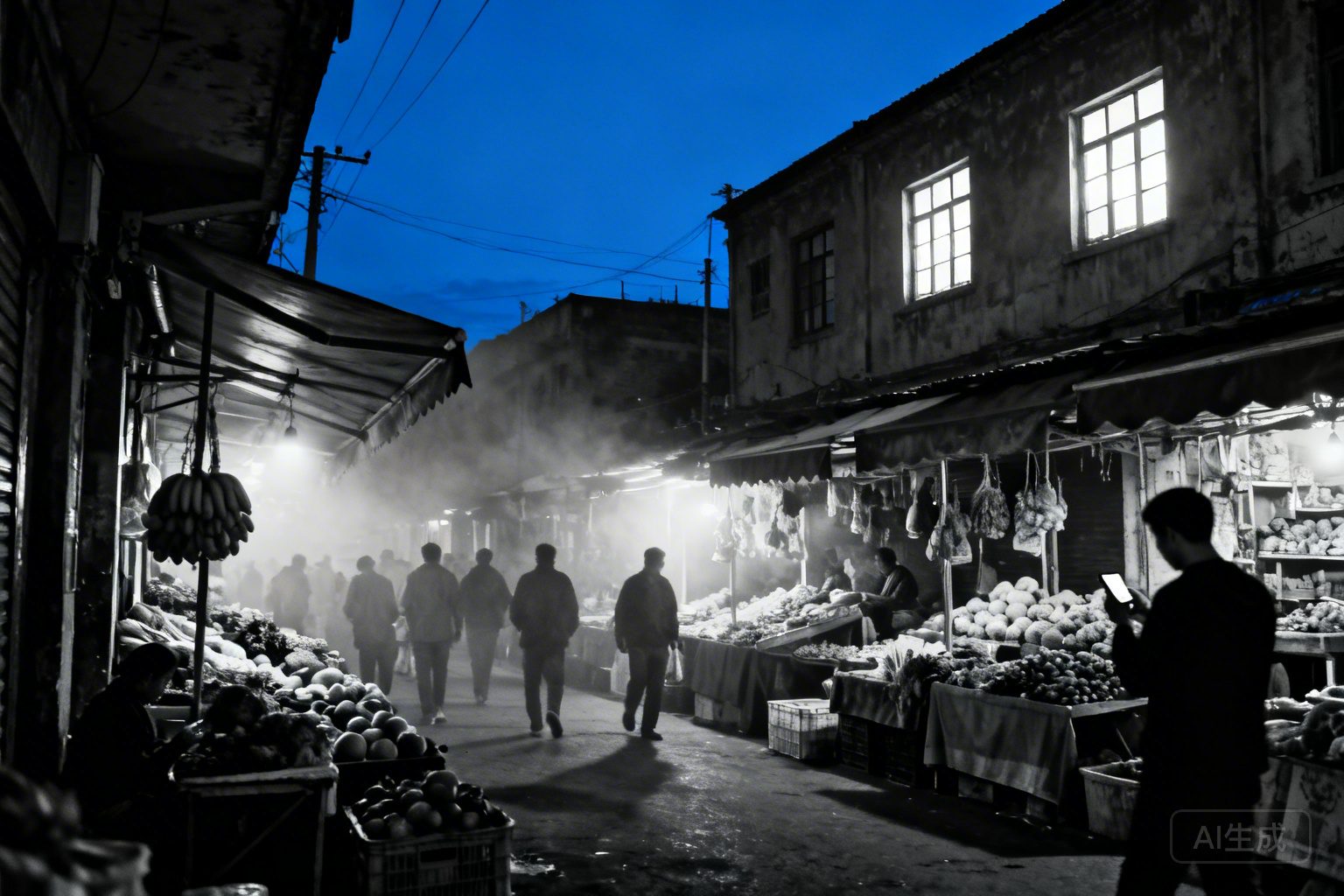
But the real Manila, the one that vibrates in your molars, is found in the gaps between the paywalls. It exists in the limestone shadows and the chaotic, neon-lit theater of the streets where the currency isn’t the Philippine Peso, but time and a willingness to sweat. There are wonders here that no entrance fee can buy. They are the artifacts of a city that has been burned, bombed, and built over until it became a palimpsest of colonial trauma and neon resilience.
1. The Golden Hour at the Baywalk: A Symphony of Smog and Fire
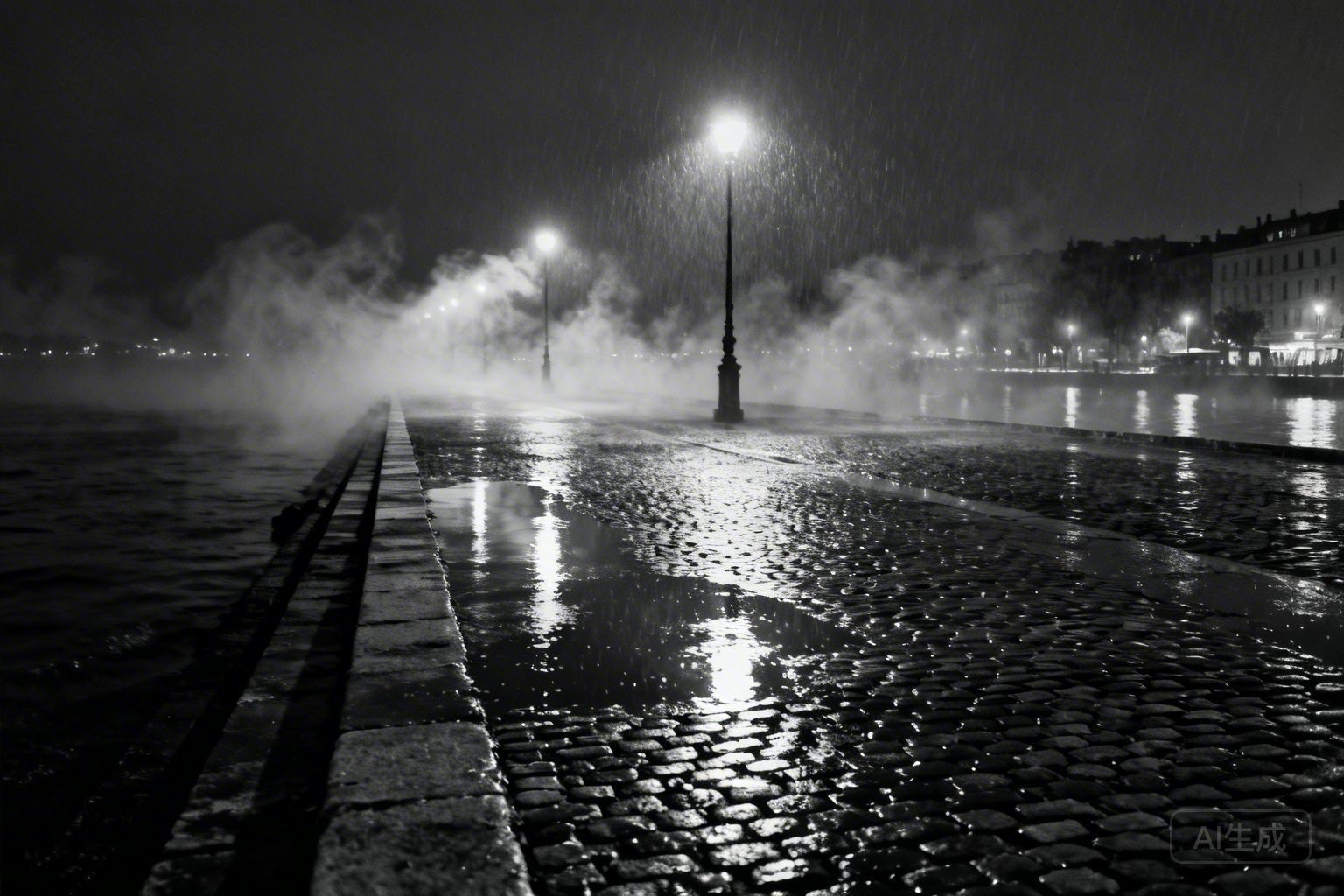
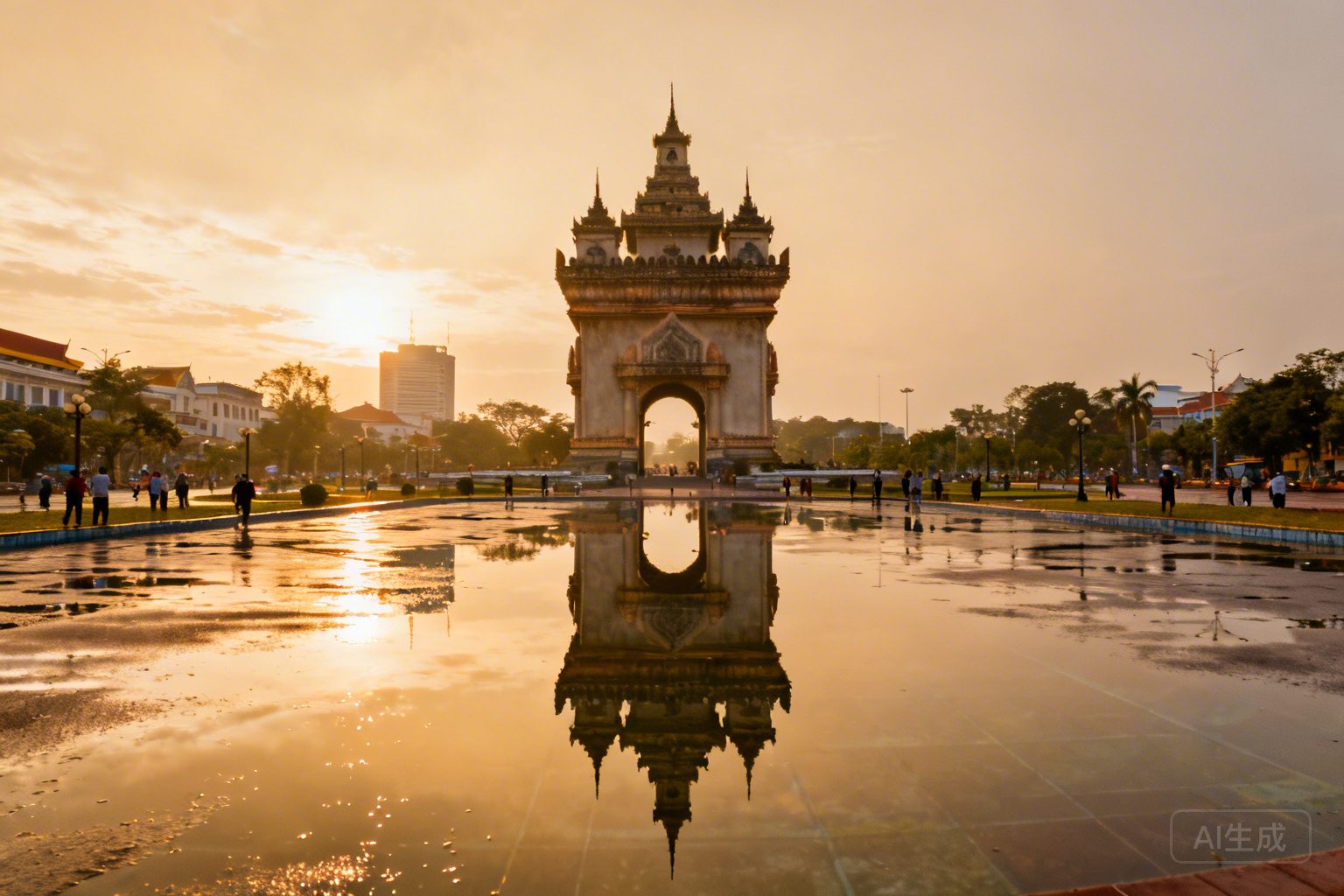
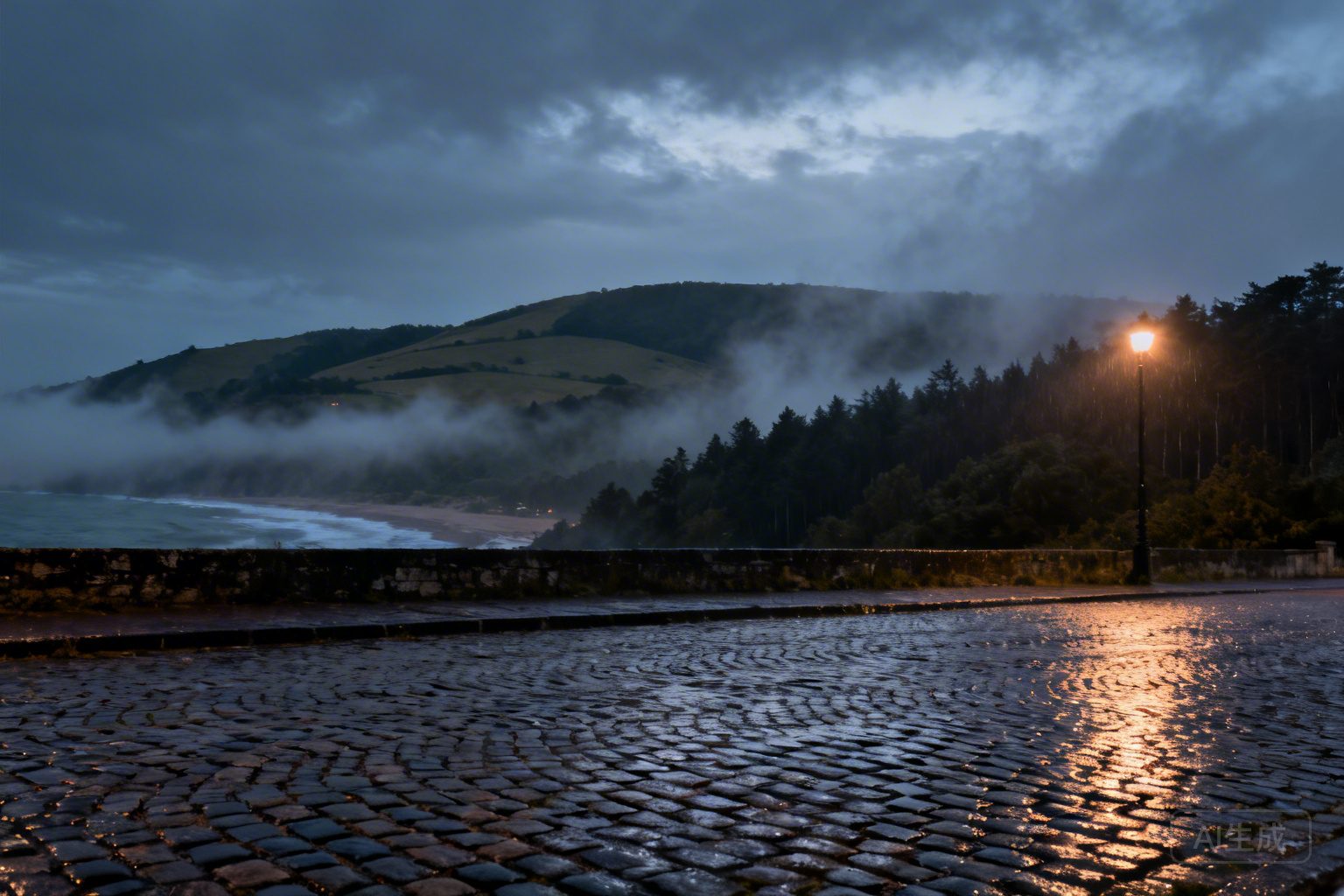
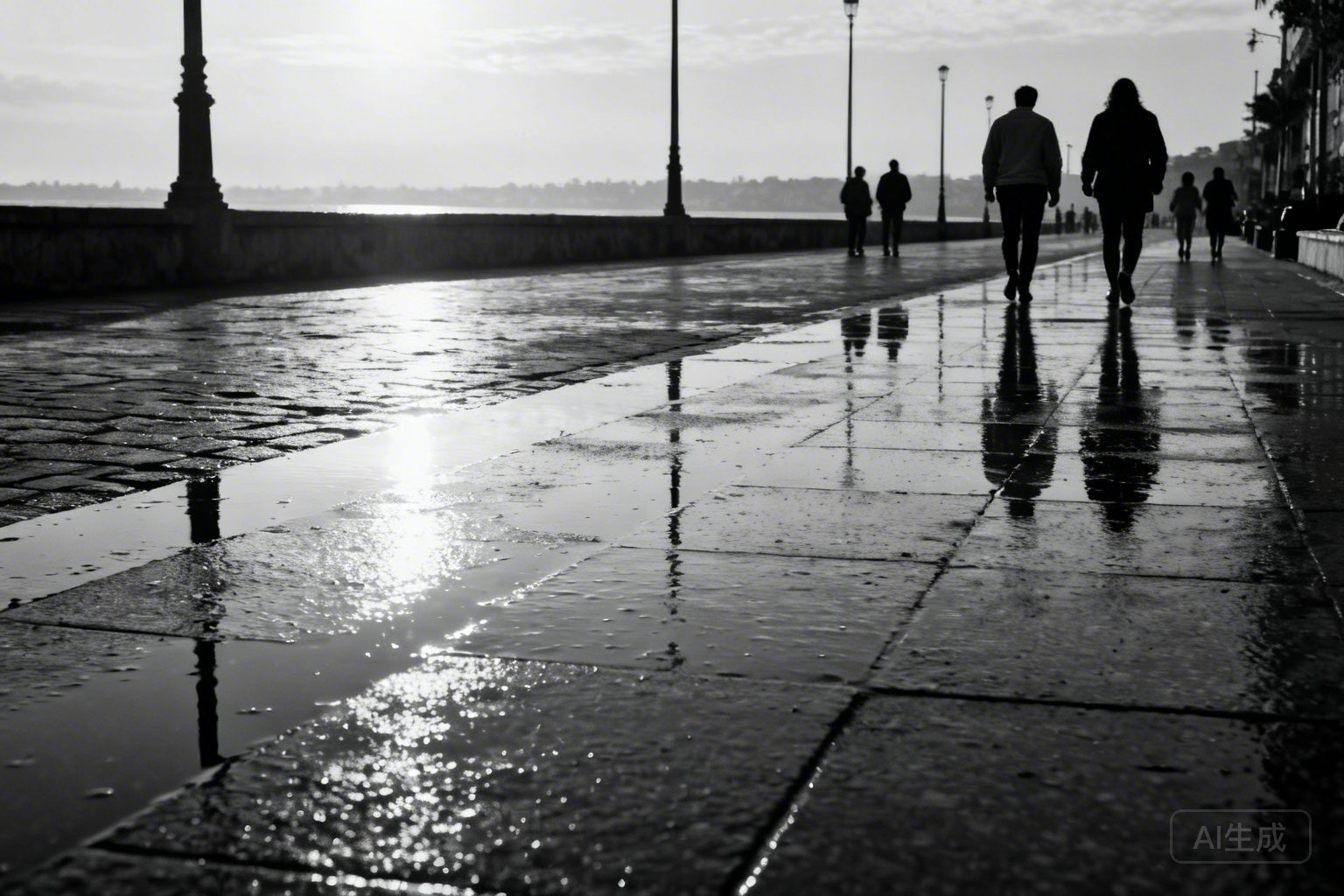
To understand Manila, you must stand where the city meets the water at 5:30 PM. The Manila Baywalk is not a pristine promenade; it is a jagged edge of cracked concrete and weathered sea walls. Here, the wind smells of brine and the metallic tang of shipping containers. But when the sun begins its descent, the sky does something violent. It doesn’t just fade; it bruises into shades of deep violet, electric orange, and a red so visceral it looks like an open wound.
The light catches the chrome of the passing jeepneys, turning the rusted metal into shimmering gold. I watched an old man, his skin the color of cured leather and mapped with a thousand wrinkles, casting a hand-line into the murky water. He didn’t look for fish; he looked at the horizon. Beside him, a frantic office worker in a sweat-stained Barong Tagalog paused, his smartphone raised like a votive offering to capture the glow. For ten minutes, the social hierarchy of the city collapses under the weight of that sunset. It is a spectacle that makes the 500-peso “sunset cruises” look like cheap parlor tricks.