7 Free Wonders in Venice That Are Better Than the Paid Attractions!
The Liquid Labyrinth: Finding the Soul of Venice Beyond the Turnstiles
Venice is a city that has been curated into a museum, a floating reliquary where every ticketed entrance promises a glimpse of the sublime for the price of twenty Euros and a ninety-minute wait in the humidity. The guidebooks scream of the Doge’s Palace and the Guggenheim, funneling the masses into a polished, pay-to-play version of history. But the true Venice—the one that smells of salt-rot and ancient stone, the one that pulses with a rhythm older than the Republic itself—cannot be bought. It is found in the shadows of the sottoportegos, in the echo of a distant church bell, and in the salt-crusted silence of a morning mist that costs exactly nothing to witness.
To touch the real Venice, you must abandon the itinerary. You must ignore the neon “Tickets” signs and the hawkers selling plastic gondolas. You must become a ghost in the machine.
1. The Dawn Litany at the Rialto Market
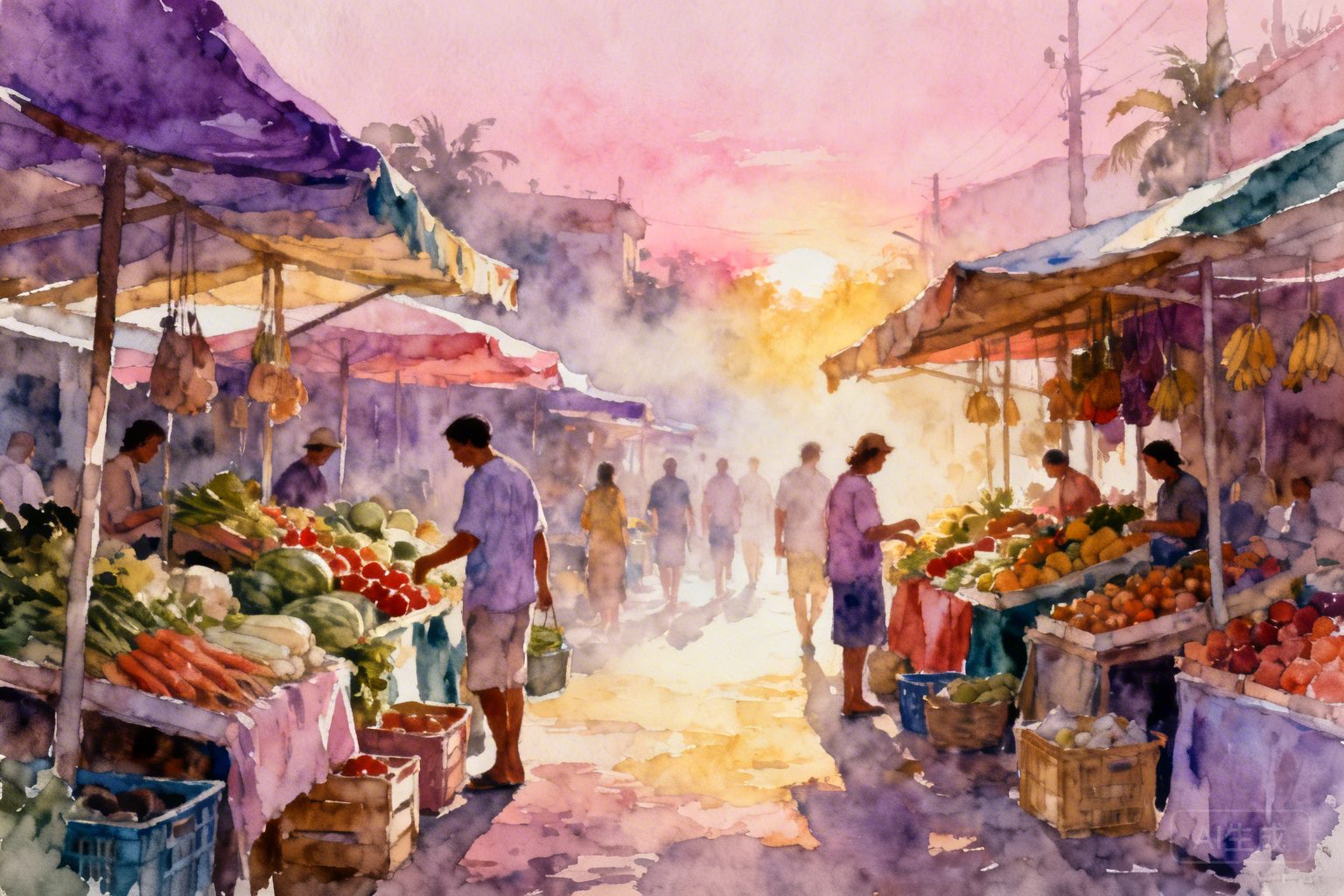
At 5:30 AM, the air in the Erberia is thick with the scent of damp earth and the sharp, metallic tang of the Adriatic. This is the Rialto Market before the tourists arrive to photograph the artichokes. Here, the city is blue—a bruised, pre-dawn indigo that softens the edges of the 16th-century arches. The texture of the ground is slick, a mosaic of crushed ice and discarded cabbage leaves, vibrating under the heavy boots of the scariganti (porters).
I watched a brusque vendor, a man with skin the color of cured bresaola and fingers thick as sausages, snap the heads off three dozen sea bass with a rhythmic, percussive thud. He didn’t look up. He didn’t smile. To him, the lagoon is not a romantic backdrop; it is a pantry. The street vendors’ cries here are not the melodic “O Sole Mio” of the gondoliers, but a guttural, Venetian shorthand—barking exchanges about price and weight that cut through the damp air like a rusted blade.