7 Life-Changing Sunsets in Nadi That Will Leave You Speechless!
The Golden Hour of the Great Seduction
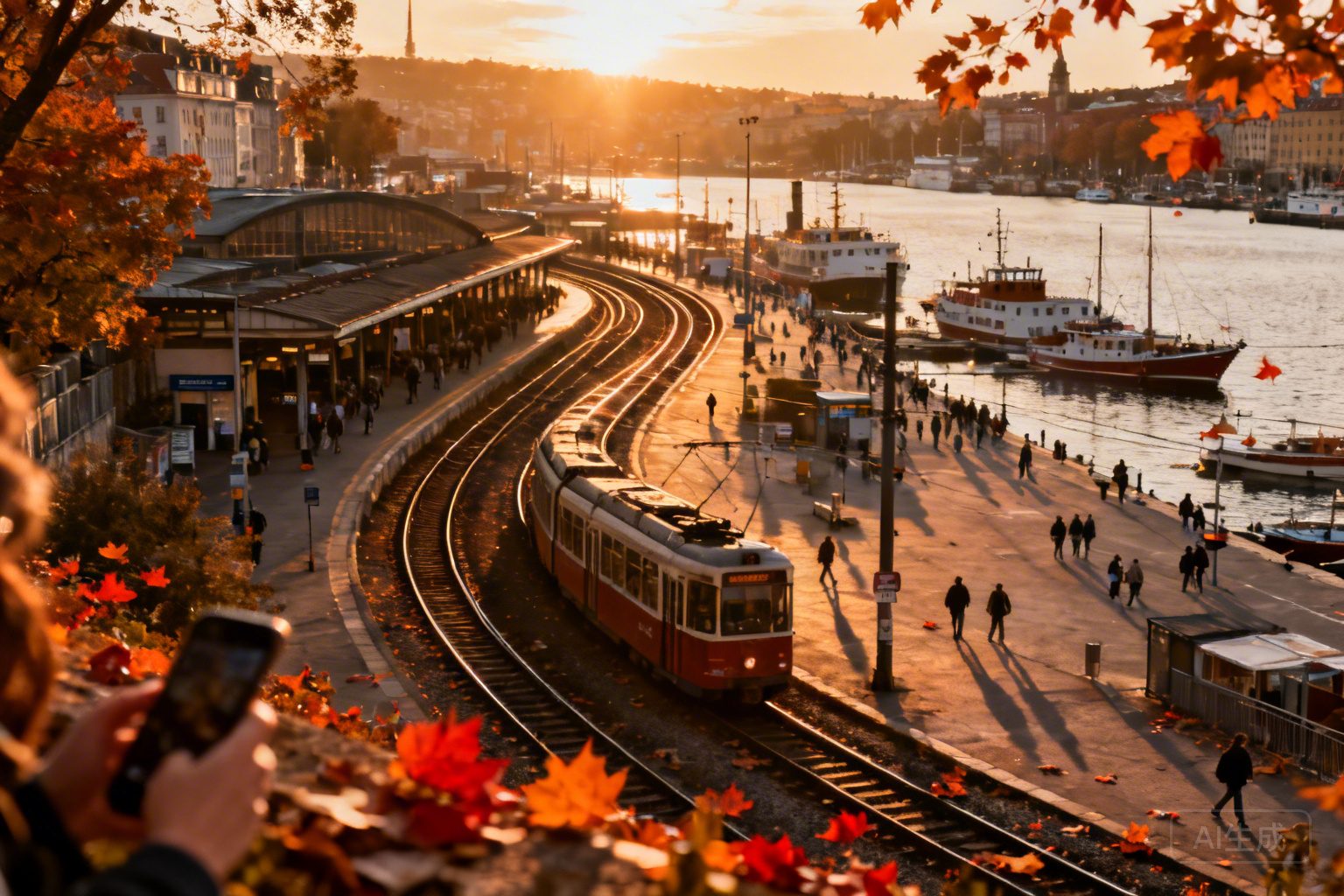
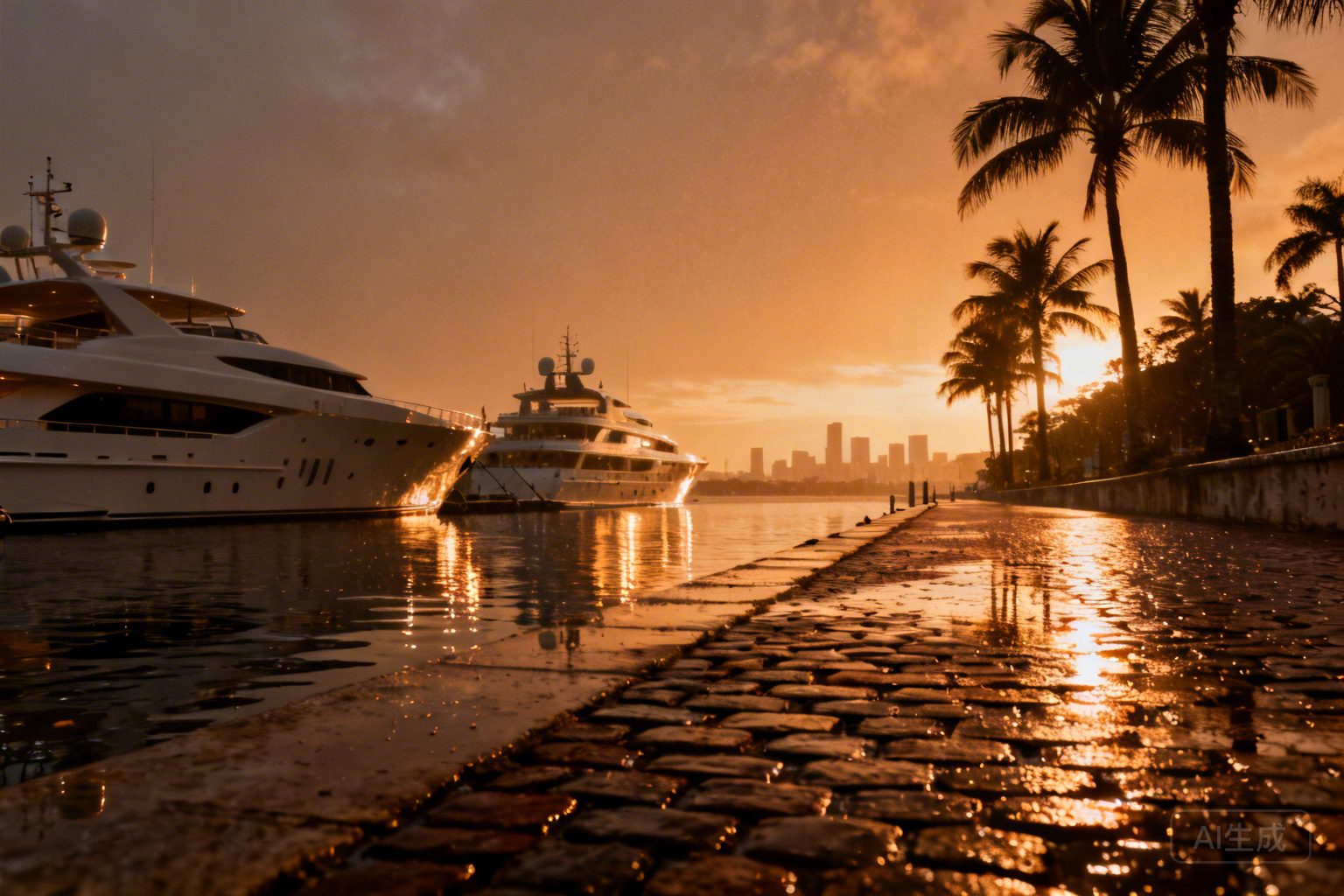
Nadi does not greet you; it encroaches upon you. It is a city defined not by its architecture—a utilitarian sprawl of sun-bleached concrete and corrugated iron—but by its atmosphere. The air here has weight. It is a humid, fragrant soup of sea salt, diesel fumes, and the cloyingly sweet scent of overripe papaya fermenting in the midday heat. Most travelers treat Nadi as a mere foyer, a transit point to be discarded in favor of the Mamanuca reefs or the Yasawa lagoons. They are wrong. They miss the theater of the terminal hour, that specific, liquid moment when the Fijian sun begins its long, dramatic collapse into the Bligh Water.
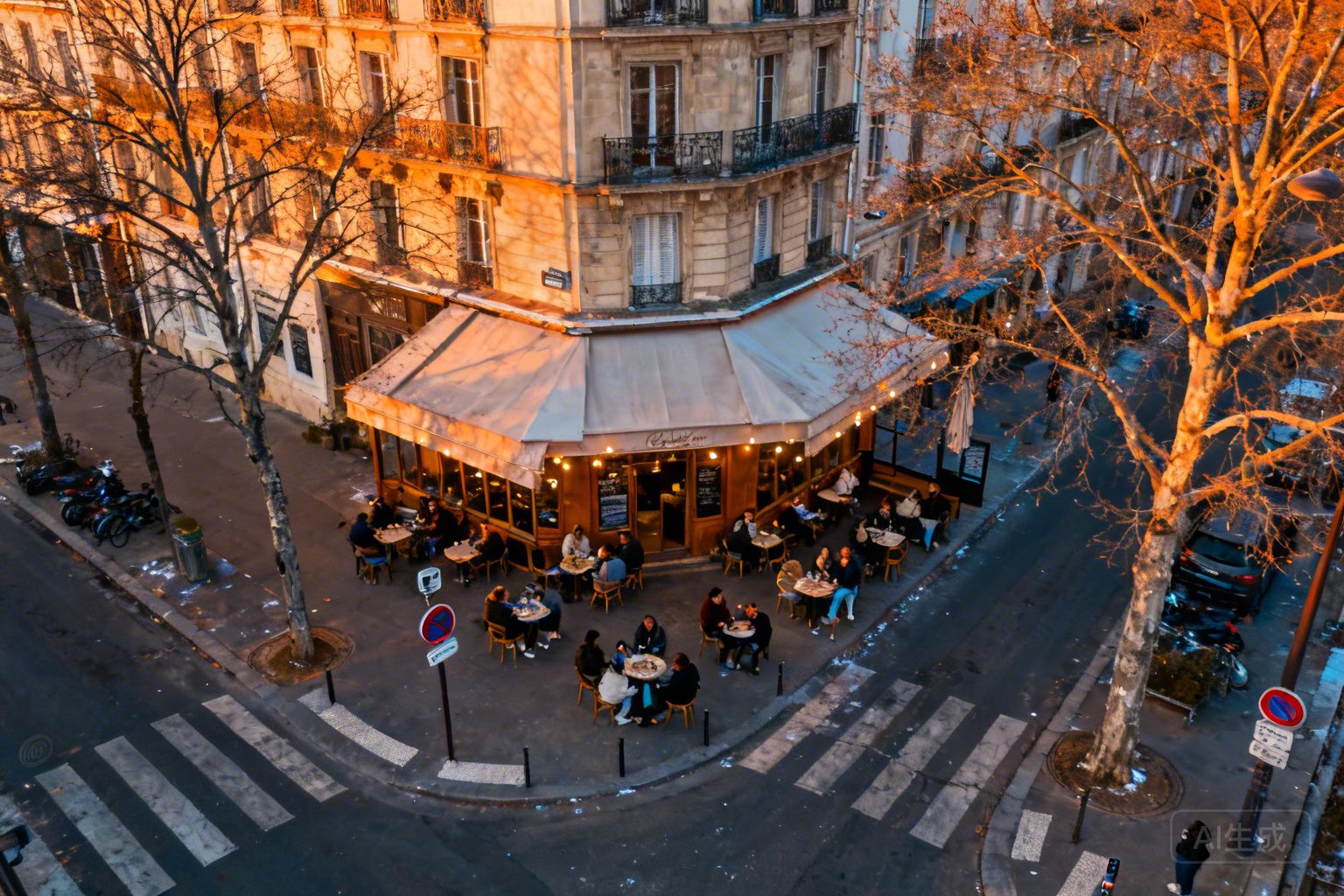
To understand Nadi, you must watch it burn. Not in a literal sense, but in the way the light strikes the peeling turquoise paint of the shops along Main Street, turning grit into gold. I found myself sitting on a plastic crate outside a small kava shop, watching a brusque waiter named Jone—a man with hands the size of dinner plates and a perpetual scowl that suggested he had personally invented the concept of impatience—slam glass bottles of Fiji Bitter onto a metal tray. The sound was melodic, a rhythmic percussion against the rising roar of the evening traffic.
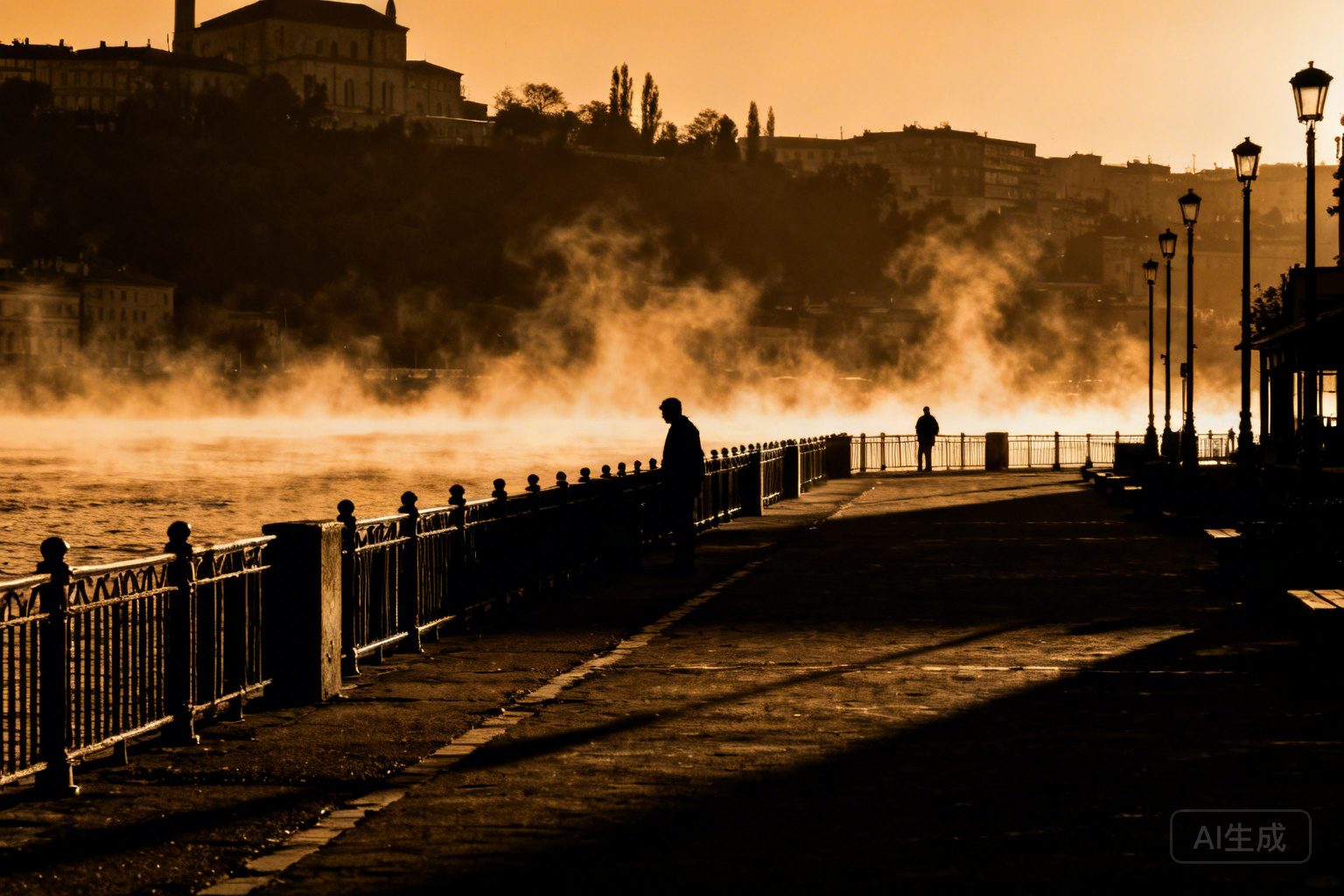
This is the first sunset, the urban one, where the light catches the dust kicked up by the Nadi Town buses and turns the entire thoroughfare into a sepia-toned film strip. Here, the sun is a secondary character to the people. You see the frantic office worker, tie loosened, clutching a leather briefcase like a shield as he ducks into the Sri Siva Subramaniya Temple. You see the silent monk, draped in saffron robes that seem to vibrate against the electric blue of the temple’s carved gopuram, his eyes fixed on a point three inches beyond the horizon. The wind at the corner of Main and Ashram Road is hot, carrying the metallic tang of the nearby blacksmiths and the yeasty breath of the Hot Bread Kitchen.
1. The Industrial Altar of the Vuda Bypass
There is a specific kind of beauty in the unpolished. I drove north, past the slumbering giants of the Sabeto Mountains, to a stretch of road where the sugar cane trains—rusting, skeletal things—clatter across the tracks. The sun here doesn’t just set; it dissolves. The sky turns the color of a bruised plum, dark purple bleeding into a violent, neon orange.