7 Life-Changing Sunsets in Nice That Will Leave You Speechless!
The Amber Hour: A Cartography of Light in the Côte d’Azur
To arrive in Nice is to engage in a sensory negotiation with the sun. It is not merely a star here; it is an architect, a sculptor, and, at times, a cruel taskmaster. By midday, the light is a white-hot blade, reflecting off the limestone facades of the Promenade des Anglais with a ferocity that forces the eyes to retreat behind dark lenses. But then comes the metamorphosis. As the clock strikes five, the atmosphere thickens, turning the air into something viscous and golden, like honey stirred into a glass of cool water. The city begins to exhale.
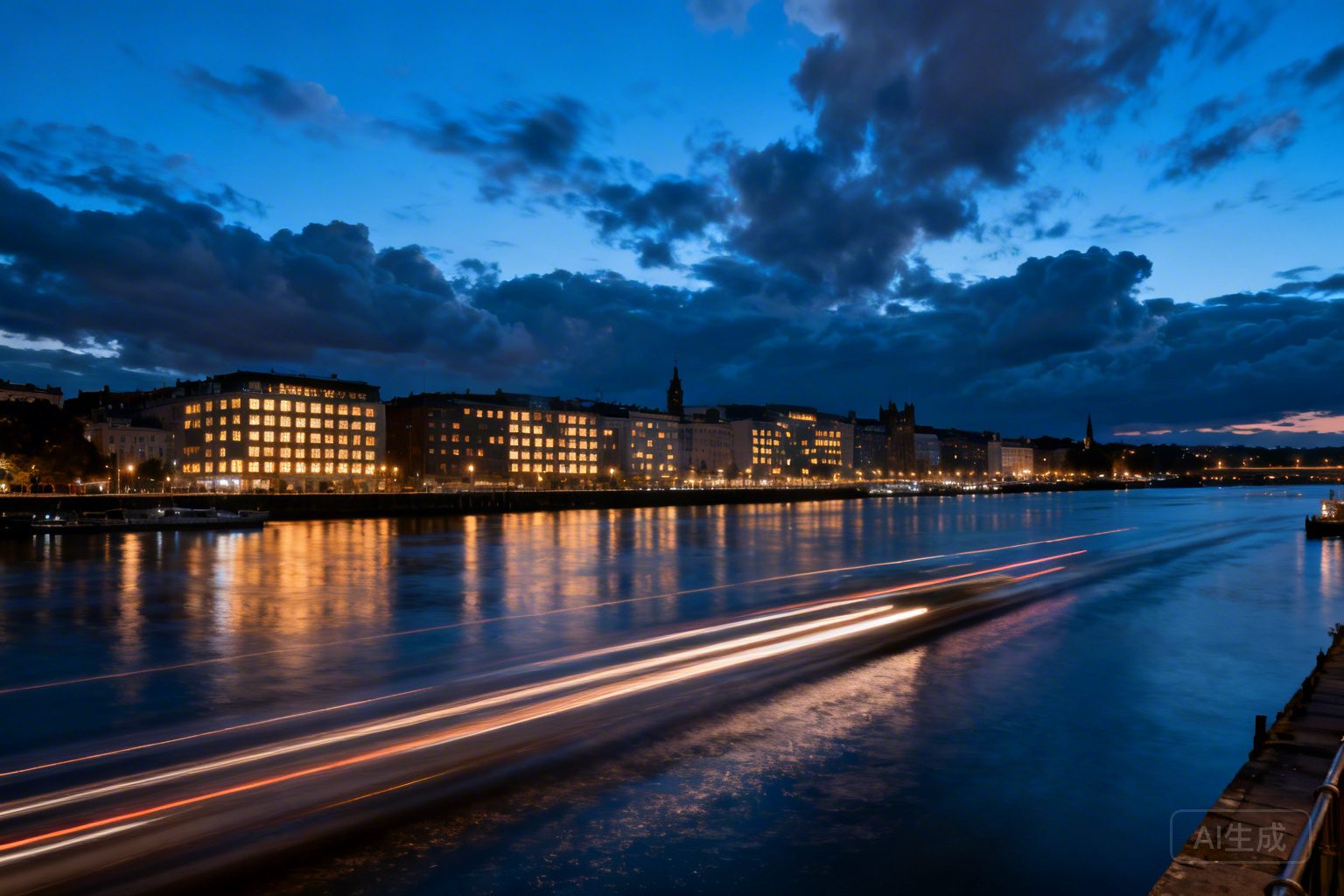
I found myself standing at the edge of the Quai des États-Unis, where the salt spray catches the dying light. The paint on the railings here is thick, layered over decades like geological strata; beneath the fresh navy blue, you can see the chipped, oxidized scales of an older, paler world. To watch the sun go down in Nice is not a passive act. It is a pilgrimage. It is a ritual of watching the indigo Mediterranean swallow a disc of fire, and in that transition, the city reveals its true, bruised, and beautiful self.
I. The Balcony of the Gods: Colline du Château
The ascent is a test of the lungs and the spirit. One could take the lift—a sterile, vertical box—but to do so is to miss the scent of the Aleppo pines. I climbed the stone stairs, my palm skimming the rough, sun-warmed mortar of the retaining walls. At the bend near the Bellanda Tower, I encountered a monk. He was draped in robes the color of dried blood, his face a roadmap of deep-set wrinkles, standing perfectly still. He wasn’t looking at the view; he was listening to the wind. The wind in Nice has a specific pitch—a low, whistling hum as it whips through the palms, carrying the ghost-scent of jasmine and diesel fumes.
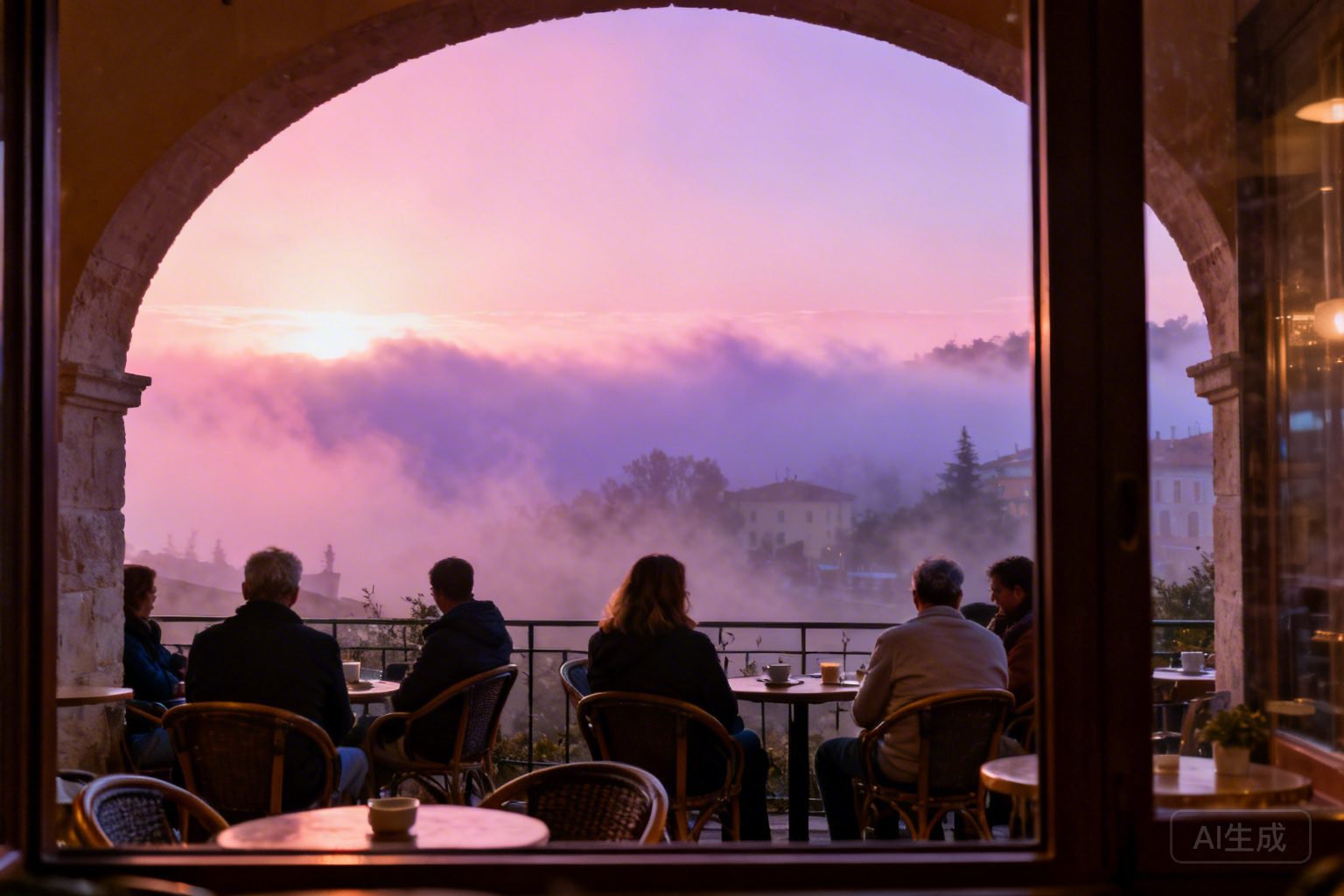
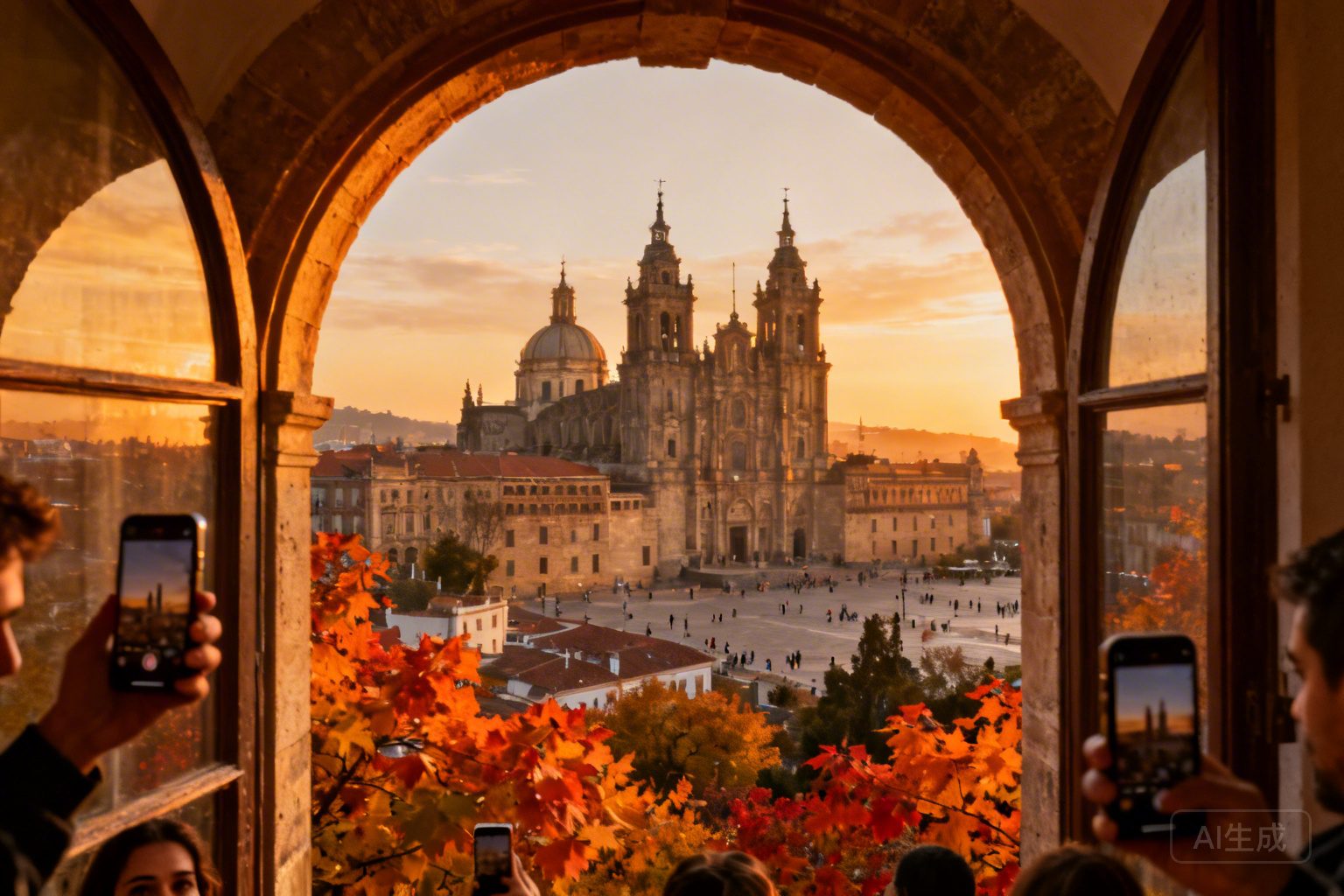
From the summit of the Colline du Château, the city unfolds like a pop-up book of terracotta and ochre. As the sun dipped toward the Estérel mountains in the west, the Baie des Anges turned a shade of violet so deep it felt bruised. The shadows grew long and spindly, stretching across the Port Lympia like the fingers of a drowning giant. This is the first sunset: the panoramic, the cinematic, the one that makes you realize that Catherine Deneuve and Cary Grant weren’t just acting—they were merely reacting to a light that demands a performance.