7 Private Tours in Asunción That Will Make You Feel Like Royalty!
The Humidity of History: Awakening in Asunción
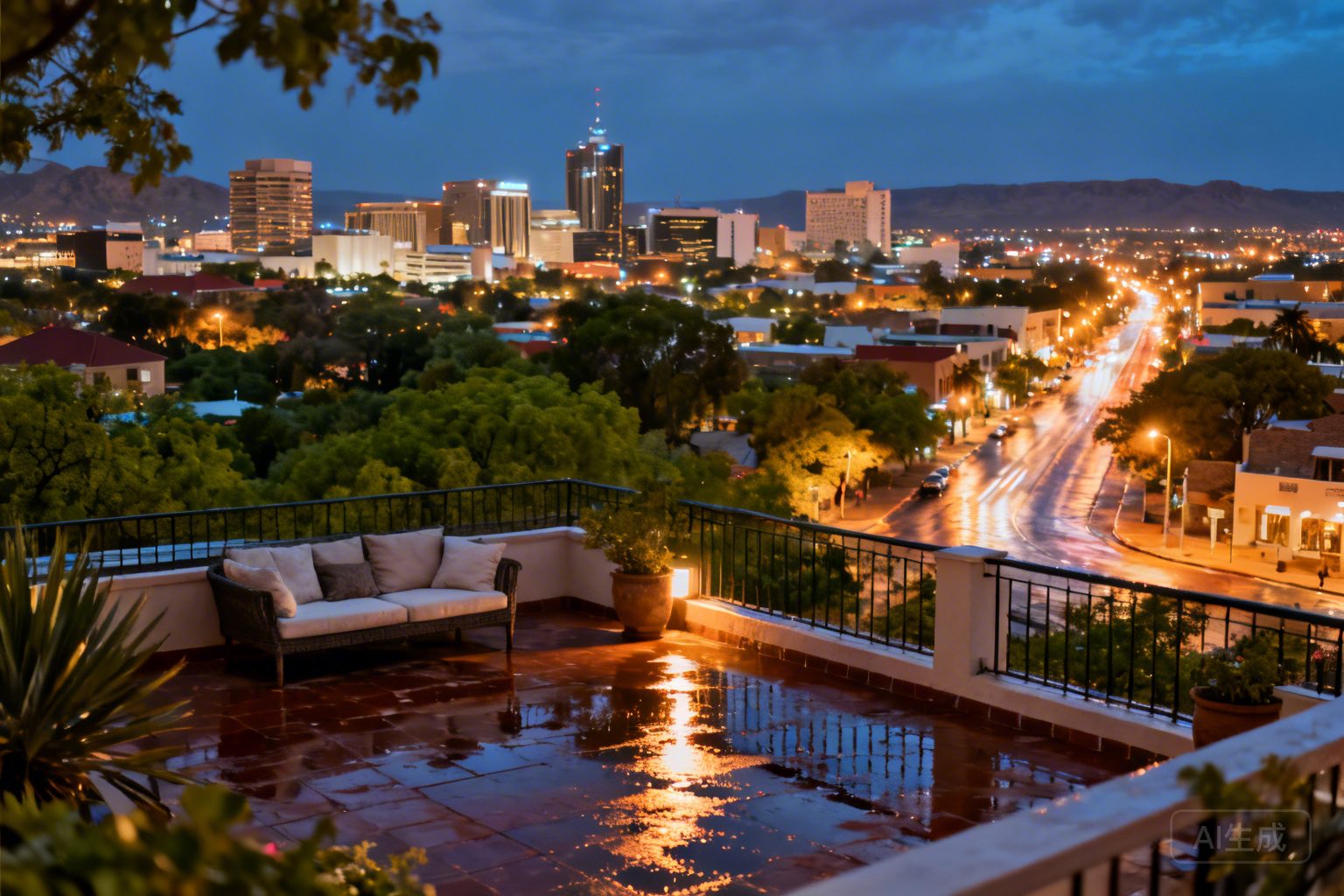
The morning air in Asunción does not merely circulate; it clings. It is a thick, velvet curtain of humidity that smells of crushed jasmine, diesel exhaust, and the damp, metallic tang of the Paraguay River. To wake here is to realize that time is a fluid concept, one that stretches and compresses like an accordion played in a dusty plaza. I stood on the balcony of the Gran Hotel del Paraguay, watching the sun ignite the terracotta tiles of the rooftops. The paint on the balcony railing was a pale, sickly green, flaking off in dry scales that felt like lizard skin under my thumb. Below, the city was stirring—a cacophony of screeching bus brakes and the rhythmic, guttural thwack-thwack of a machete clearing brush in a vacant lot.
Asunción is a city of ghosts and greenery. It is the “Mother of Cities,” the staging ground for the conquest of the Southern Cone, yet it feels strangely intimate, like a sprawling estate that has been left to the elements. To navigate it requires more than a map; it requires an invitation. In a place where the elite hide behind high walls topped with jagged glass and bougainvillea, the only way to truly see the soul of the city is through the lens of the private, the curated, and the clandestine. To feel like royalty here is not about gold leaf—though there is plenty of that—it is about access to the stillness behind the noise.
1. The Gilded Silence: A Private Midnight Tour of the Panteón de los Héroes
My first taste of the inner sanctum came not by day, but under the bruised purple sky of a Paraguayan midnight. The Panteón de los Héroes is the city’s spiritual anchor, a miniature version of Les Invalides in Paris, housing the remains of the nation’s warrior-presidents. During the day, it is besieged by vendors selling chipa—that heavy, cheesy bread that sticks to the roof of your mouth—and frantic office workers in cheap polyester suits, their brows glistening with a permanent sheen of anxiety as they dodge traffic.
But at night, arranged through a private cultural liaison, the heavy iron gates groaned open for me alone. The interior was a vacuum of sound. The air inside was ten degrees cooler, smelling of floor wax and old incense. My guide, a man named Sergio with a voice like gravel rubbing against silk, pointed to the tomb of Francisco Solano López. We stood in the center of the rotunda, the marble floor reflecting the dim amber light like a frozen lake. Sergio spoke of the War of the Triple Alliance, a conflict so devastating it nearly erased the male population of the country. He didn’t recite dates; he recited tragedies. As he spoke, I traced the carvings on the walls—the stone was cool, smooth, and indifferent to the blood spilled in its honor. In that silence, removed from the humid chaos of the street, I felt the heavy, terrifying weight of a crown. This was not a tour of a building; it was a private audience with the dead.