7 Private Tours in Copenhagen That Will Make You Feel Like Royalty!
The Gilded Cobblestone: Seven Acts of Sovereignty in the City of Spires
Copenhagen does not shout; it hums at a frequency that suggests everything is exactly where it should be. The wind here, caught in the throat of the Nyhavn canal, tastes of sea salt and the faint, burnt-sugar ghost of caramelized onions. It is a city of quiet precision, where the bicycles move like a school of silver fish and the gray-blue light of the Baltic morning makes the skin of the buildings look like bruised silk. To arrive here is to enter a social contract of high design and deep history, but to truly inhabit it—to move through its veins as if the blood of the Oldenburgs ran through your own—requires a different kind of access. It requires the dissolution of the velvet rope.
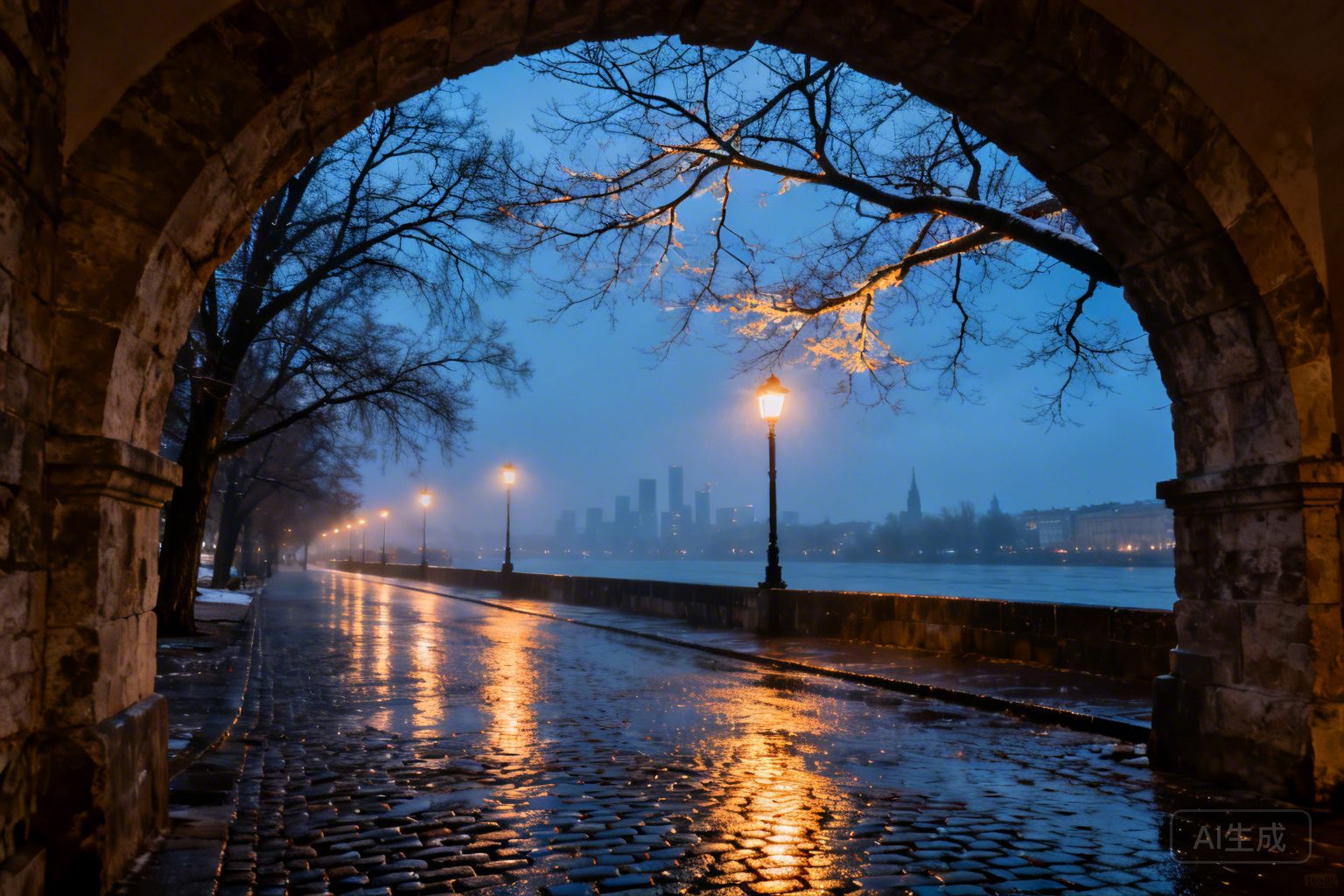
I stood at the corner of Kongens Nytorv, watching a frantic office worker in a slim-cut charcoal suit attempt to balance a tray of smørrebrød while navigating a cobblestone street that had been laid when the king’s word was law. He was a blur of modern anxiety against a backdrop of eternal stasis. The stones beneath him were slick with a fine mist, polished by three centuries of heels and hooves. To feel like royalty in this city is not about excess; it is about the curated silence of the exclusive, the ability to stand in the center of the roar and hear only the heartbeat of the past.
I. The Midnight Key: Rosenborg After Hours
The first tier of the royal experience begins where the crown jewels sleep. Most tourists see Rosenborg Castle through a forest of raised iPhones, but the private after-hours tour is a study in sensory deprivation and sudden, glittering excess. When the heavy oak doors groan shut and the last of the public is ushered out, the castle exhales. The air inside is cooler, smelling of floor wax, old damp stone, and the metallic tang of armor.
Walking through the Long Hall with a private guide—a man whose voice has the dry, academic crackle of parchment—you notice the texture of the tapestries. They are not merely wall coverings; they are thick, wooly chronicles of Dutch-Danish wars, the threads so dense they seem to swallow the sound of your breathing. You run a finger—discreetly, if you dare—along the cold marble of a bust, feeling the microscopic pits of time. In the basement, the crowns of the absolute monarchs sit behind reinforced glass, yet in the silence of a private viewing, they lose their museum-quality artifice. They become heavy, terrifying objects of power. The red velvet of the Christian IV crown is a deep, bruised crimson, the color of an old wound, and the pearls are not white but a sickly, opulent cream. You are alone with the weight of a kingdom, and the silence is absolute.