7 Private Tours in Lucerne That Will Make You Feel Like Royalty!
The Cobalt Mirror: An Incursion into the Soul of Lucerne
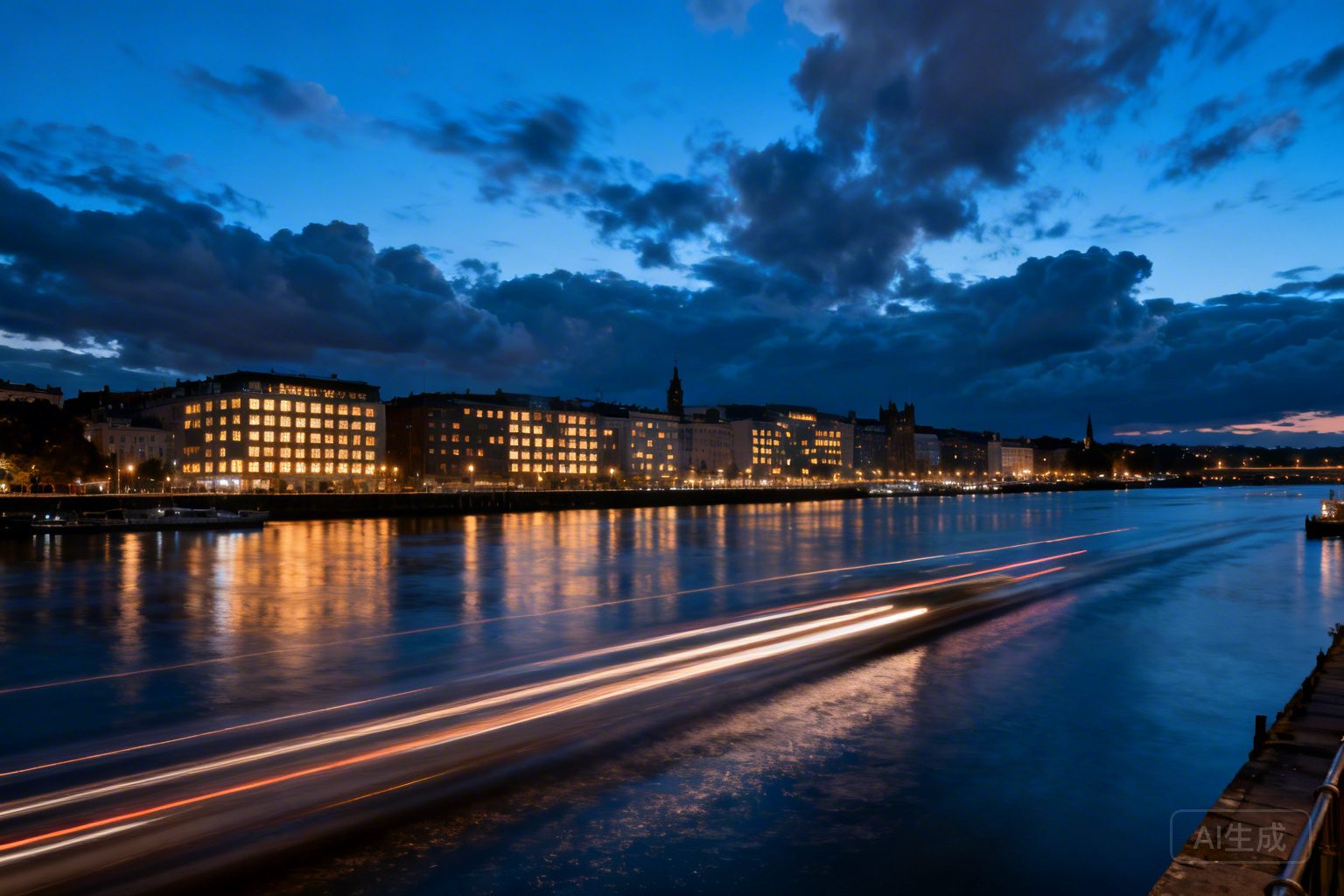
The dawn over Lake Lucerne does not break; it arrives as a slow, deliberate unveiling, like a velvet curtain being drawn back by a steady, white-gloved hand. At 6:00 AM, the air is a sharp, crystalline needle that pricks the skin of the nostrils. I am standing on the balcony of the Bürgenstock Resort, looking down at a world that seems too perfectly rendered to be real. The water below is not merely blue; it is a heavy, lacquered cobalt, a liquid sapphire that has swallowed the shadows of the Pilatus massif. The silence is profound, broken only by the rhythmic, metallic tink-tink-tink of a distant halyard hitting a mast in the marina far below. This is not a city for the hurried. It is a sanctuary for those who understand that true luxury is not found in the gold leaf of a palace, but in the absolute stillness of a mountain morning.
Lucerne is a city of layers, a palimpsest of medieval grit and Belle Époque grandeur. To see it properly is to peel back these layers with the precision of a watchmaker. You do not simply “visit” Lucerne; you audition for its secrets. And in a city that prides itself on a quiet, almost terrifyingly efficient discretion, the only way to truly enter its inner sanctum is through the quiet nod of a private guide. Here are seven incursions into the sublime—seven tours that elevate the traveler from a mere observer to a protagonist in a grand, Alpine drama.
1. The Pilatus Ascendance: A Private Audience with the Dragon
We began our ascent not with the masses, but in the hushed interior of a private car that smelled faintly of cedarwood and expensive leather. Our guide, Urs—a man with hands as rough as bark and eyes the color of glacier melt—did not speak of “sightseeing.” He spoke of “encounters.” As the world’s steepest cogwheel railway ground its teeth into the mountainside, the pitch of the climb forced us back into our seats. I watched the texture of the flora change: from the lush, emerald pastures of the valley to the stunted, defiant pines of the high altitude, their needles frosted with a rime that looked like powdered diamonds.
At the summit, the wind has a specific, predatory howl. It is a thin, hungry sound that reminds you of your own fragility. Urs led us away from the viewing platforms to a jagged outcrop known only to those who have spent decades reading the mountain’s moods. We watched a lammergeier—a bearded vulture—spiral on a thermal, its wingspan a dark cross against the blinding white of the Eiger in the distance. Here, the air is so thin it tastes of nothingness. We sat in silence, drinking hot, bitter coffee from a silver flask, watching the clouds collide like slow-motion tectonic plates. The tourist below sees a mountain; we saw a titan breathing.