7 Underground Spots in Casablanca That Define the City’s Cool Factor!
The White City’s Shadow: A Descent Into the Unseen Casablanca
Casablanca does not offer itself to you; it demands an extraction. It is a city built on the grit of Atlantic salt and the brutalist ambitions of French architects who dreamed in concrete and sweeping boulevards. Most travelers see the soaring minaret of the Hassan II Mosque, a marble giant defying the tide, and assume they have understood the soul of the place. They haven’t. To find the “cool” in Casa—a term here that implies a defiant, intellectual, and often gritty resilience—one must retreat from the gleaming corniche and sink into the neighborhoods where the lime-wash is graying and the shadows are long.
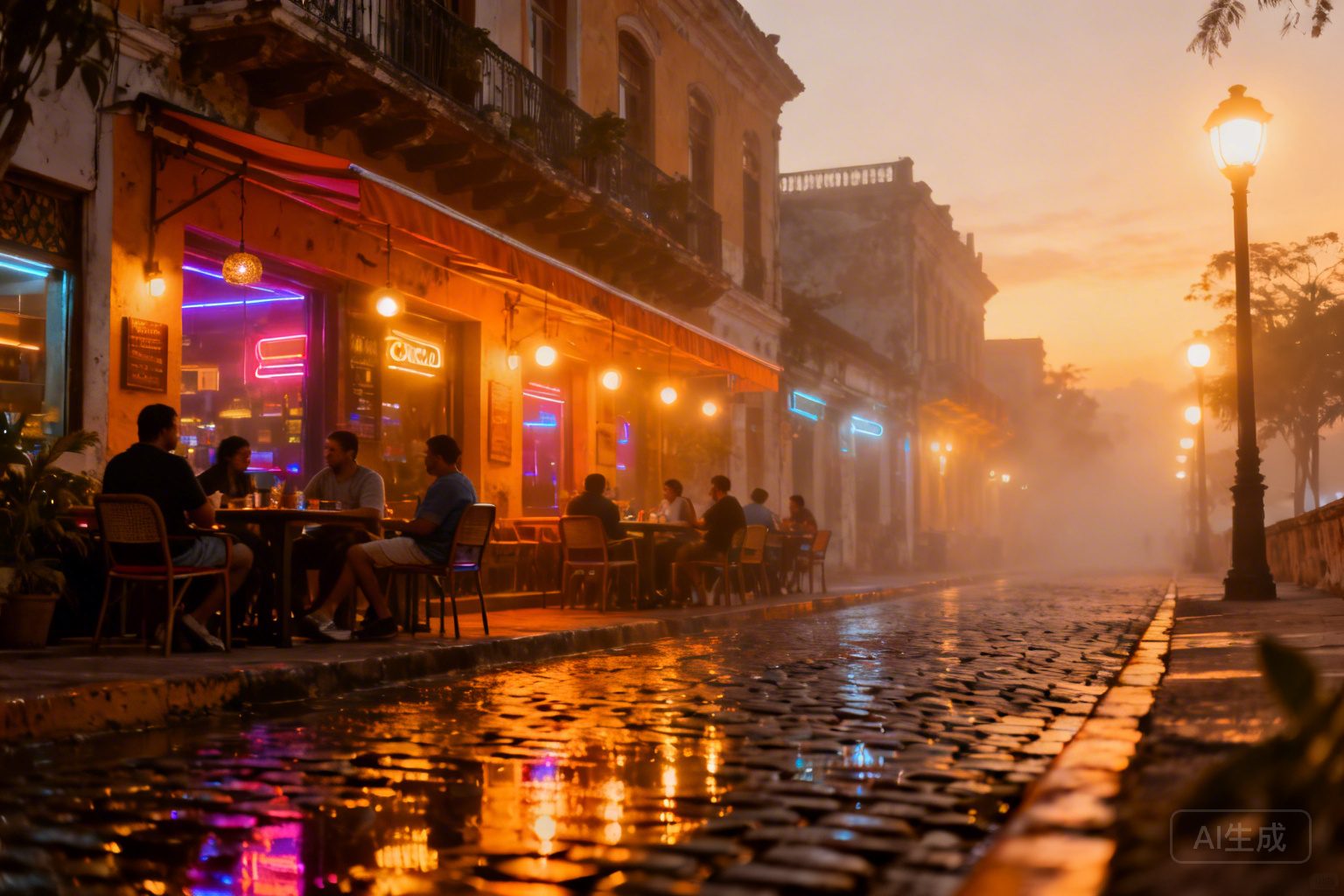
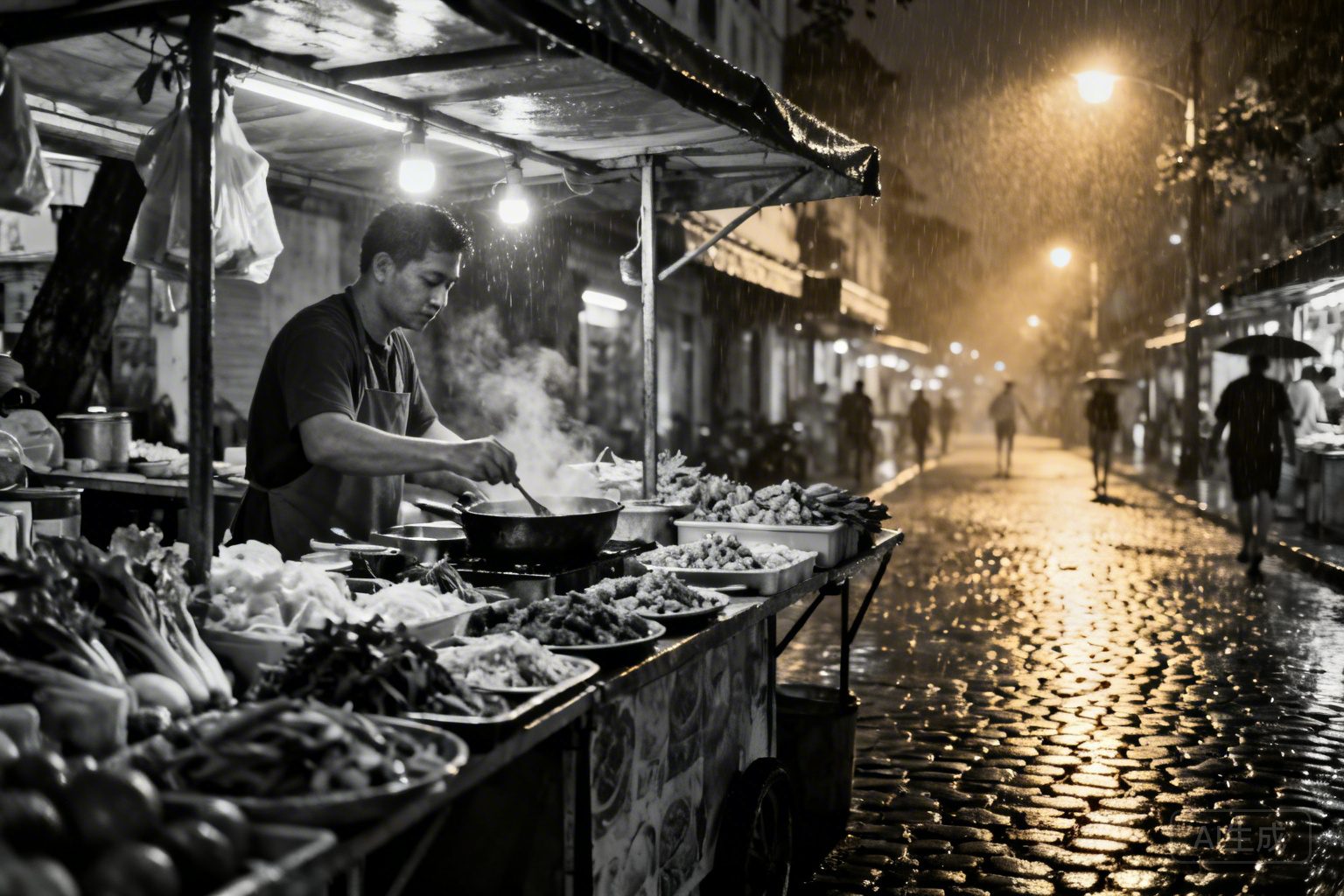
The wind at the corner of Boulevard Mohammed V doesn’t just blow; it scours. It carries the scent of roasted chickpeas, exhaust from 1980s Mercedes taxis, and the sharp, metallic tang of the nearby port. It was here, standing under a balcony where the wrought iron was rusted into the shape of skeletal lace, that I realized Casablanca is not a postcard. It is a fever dream. The street vendors don’t just cry their wares; they perform a staccato liturgy, a rhythmic chanting of “Hout! Hout!” for the morning’s silver sardines, their voices rasping against the humidity like sandpaper on cedar.
1. L’Atelier 21: The Subversive Canvas
In the upscale district of Gauthier, where the villas hide behind bougainvillea walls so thick they muffle the sound of the world, lies L’Atelier 21. It is not “underground” in the sense of being hidden, but it is the subterranean heartbeat of Morocco’s modern visual rebellion. The air inside is filtered, cool, and smells faintly of high-grade turpentine and expensive cigarettes. Here, the local elite—the “Casawi” bourgeoisie—mingle with starving poets under canvases that challenge the very notion of North African identity.
I watched a woman there, a gallery assistant with hair cropped as short as a soldier’s and glasses that caught the light like oil slicks. She moved with a calculated, feline grace, ignoring a frantic office worker in a sweat-stained linen suit who was trying to bargain for a piece by Chabaâ. The office worker checked his watch every thirty seconds, a man enslaved by the clock in a city that treats time like a suggestion. L’Atelier 21 is where you go to see the city’s pain translated into abstract geometry. It is the intellectual bunker of Casablanca.