7 Underground Spots in Nadi That Define the City’s Cool Factor!
The Humidity of Hearsay: Navigating the Secret Veins of Nadi
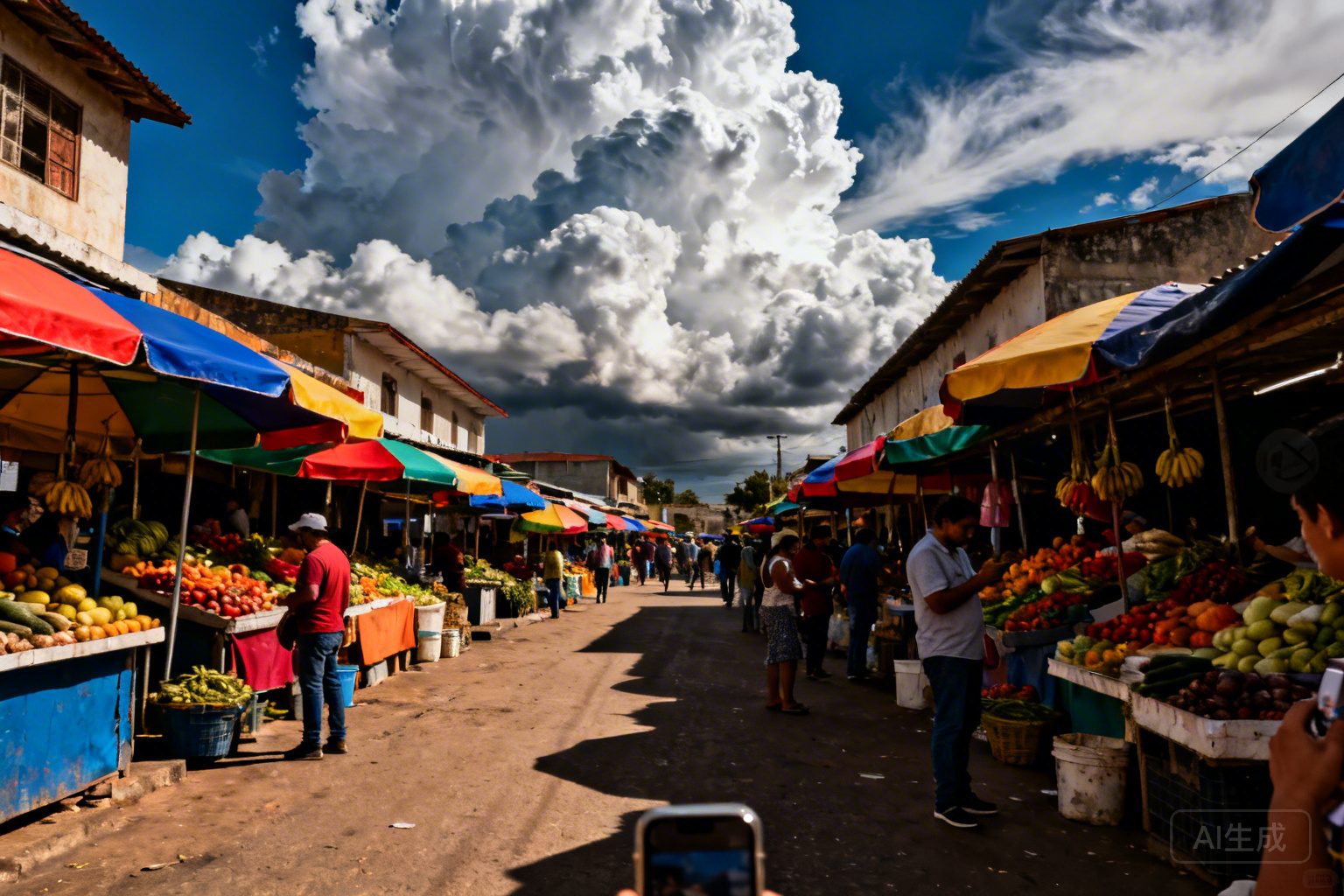
The air in Nadi does not merely surround you; it occupies you. It is a thick, floral soup, heavy with the scent of fermenting guava and the sharp, metallic tang of the bus station’s exhaust. Most travelers treat this town as a transit lounge, a necessary purgatory of duty-free shops and currency exchanges before the seaplane whisks them away to the sanitized white sands of the Mamanucas. They see the surface—the dusty main street, the aggressive tailoring shops, the neon signs of the supermarkets. They miss the pulse. To find the “cool” in Nadi, one must abandon the paved logic of the guidebook and follow the scent of woodsmoke and the low thrum of a bass speaker hidden behind a corrugated iron fence.
I stood on the corner of Queens Road as the afternoon light turned the color of bruised saffron. A man leaned against a sun-bleached pillar, his skin the texture of a well-traveled leather satchel. He was shucking a green coconut with a machete—three precise, rhythmic strikes that echoed like a heartbeat. The water spilled over his calloused thumbs, cooling the cracked pavement. This is where the city begins to reveal itself, not in the monuments, but in the spaces between the shadows.
1. The Back-Alley Kava Club: The Low-Frequency Heartbeat
Down a narrow sliver of an alleyway, sandwiched between a wholesale spice merchant and a repair shop for transistor radios, lies a door that has forgotten the sensation of a fresh coat of paint. The wood is grey and splintered, worn smooth at the height of a man’s shoulder where decades of bodies have leaned, waiting for entry. There is no sign. There is only the low, melodic drone of male voices and the rhythmic tock-tock-tock of a stone pestle grinding yaqona root.
Inside, the world slows to a crawl. The lighting is the color of a weak tea, filtered through dust motes that dance in the stagnant air. Here, time is not measured by the clock, but by the “taki”—the passing of the coconut shell bowl. The kava is earthy, tasting of cold rain and ancient soil, numbing the tongue and silencing the frantic internal monologue of the urban dweller. The “Cool Factor” here isn’t about being seen; it’s about the art of vanishing.