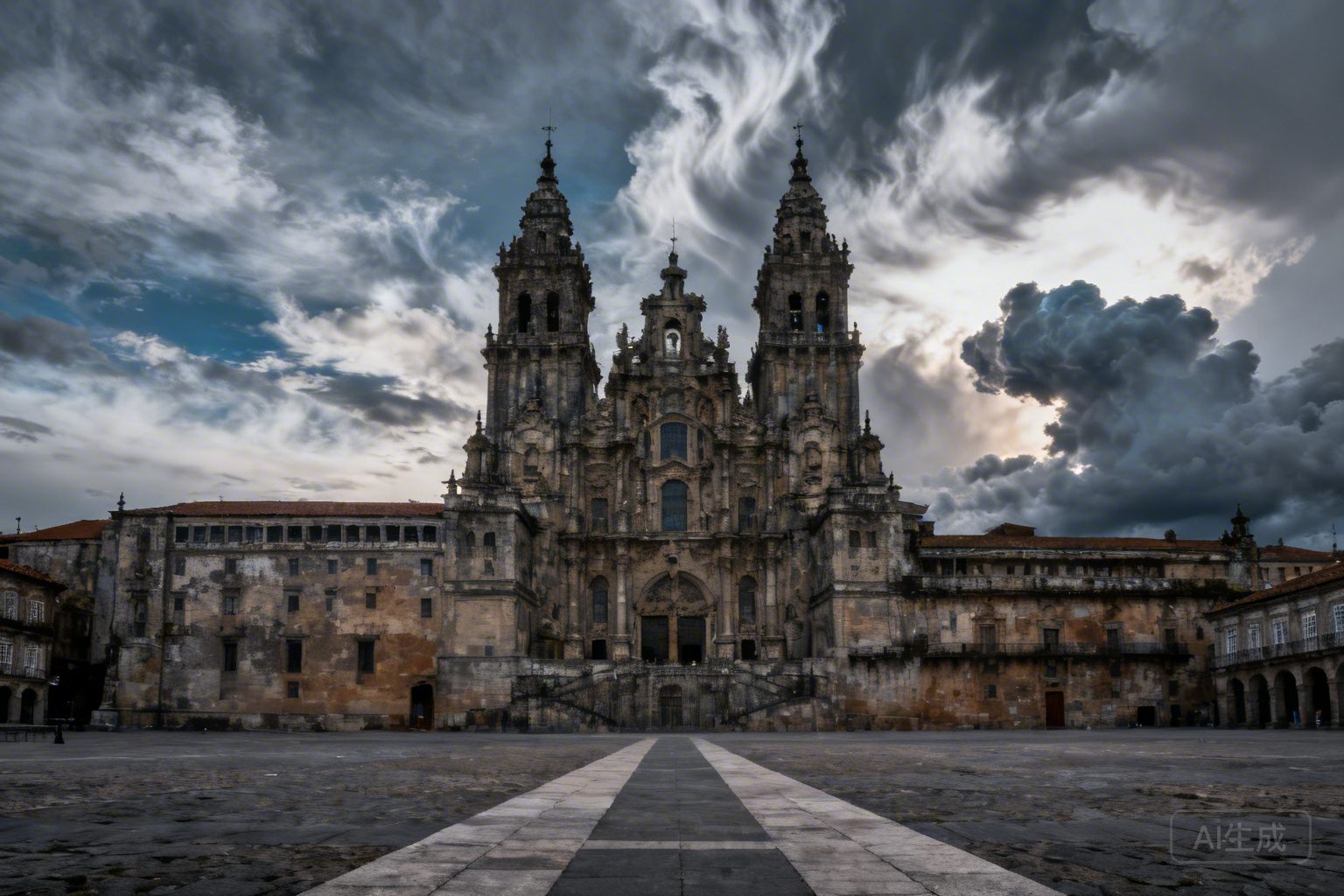
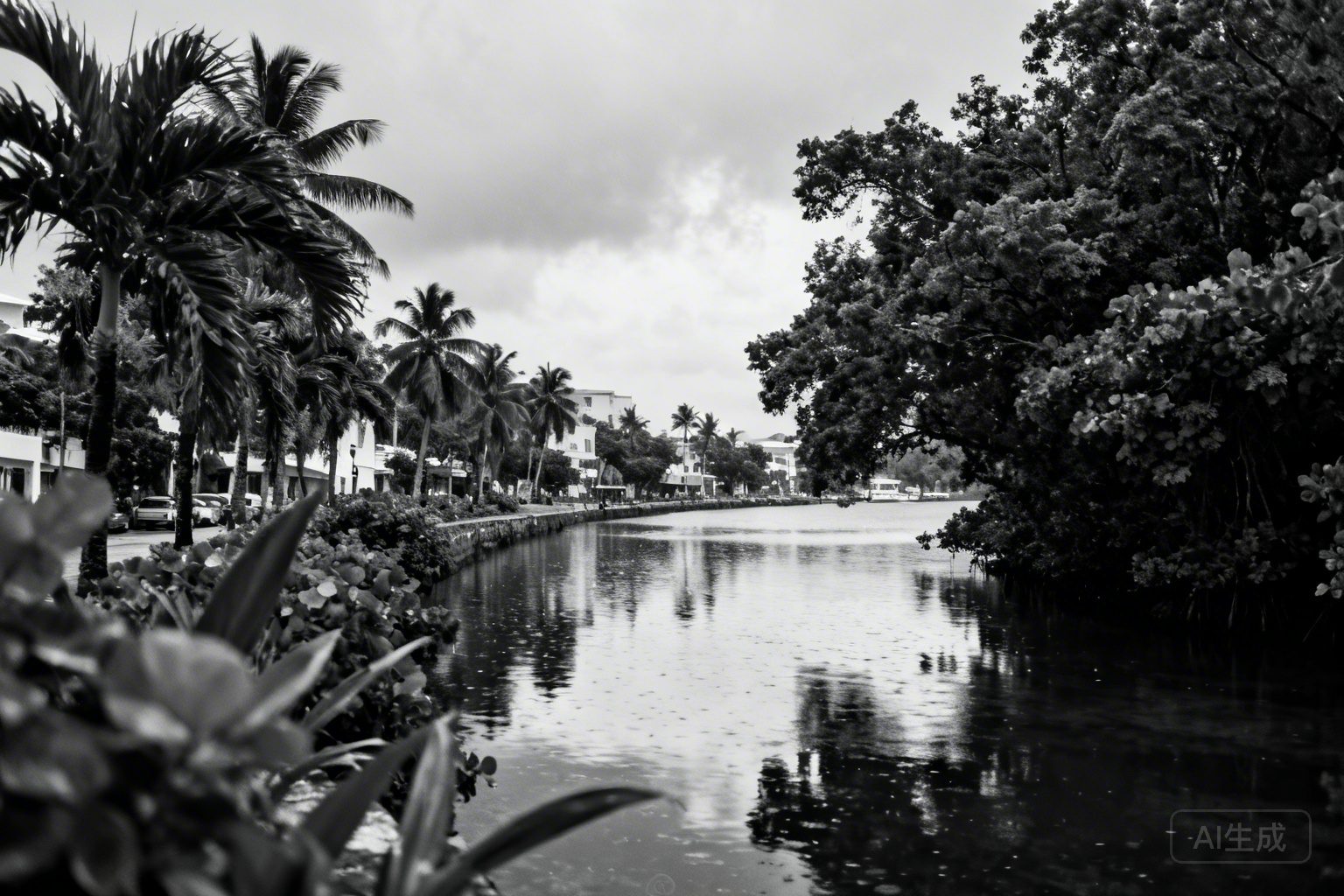
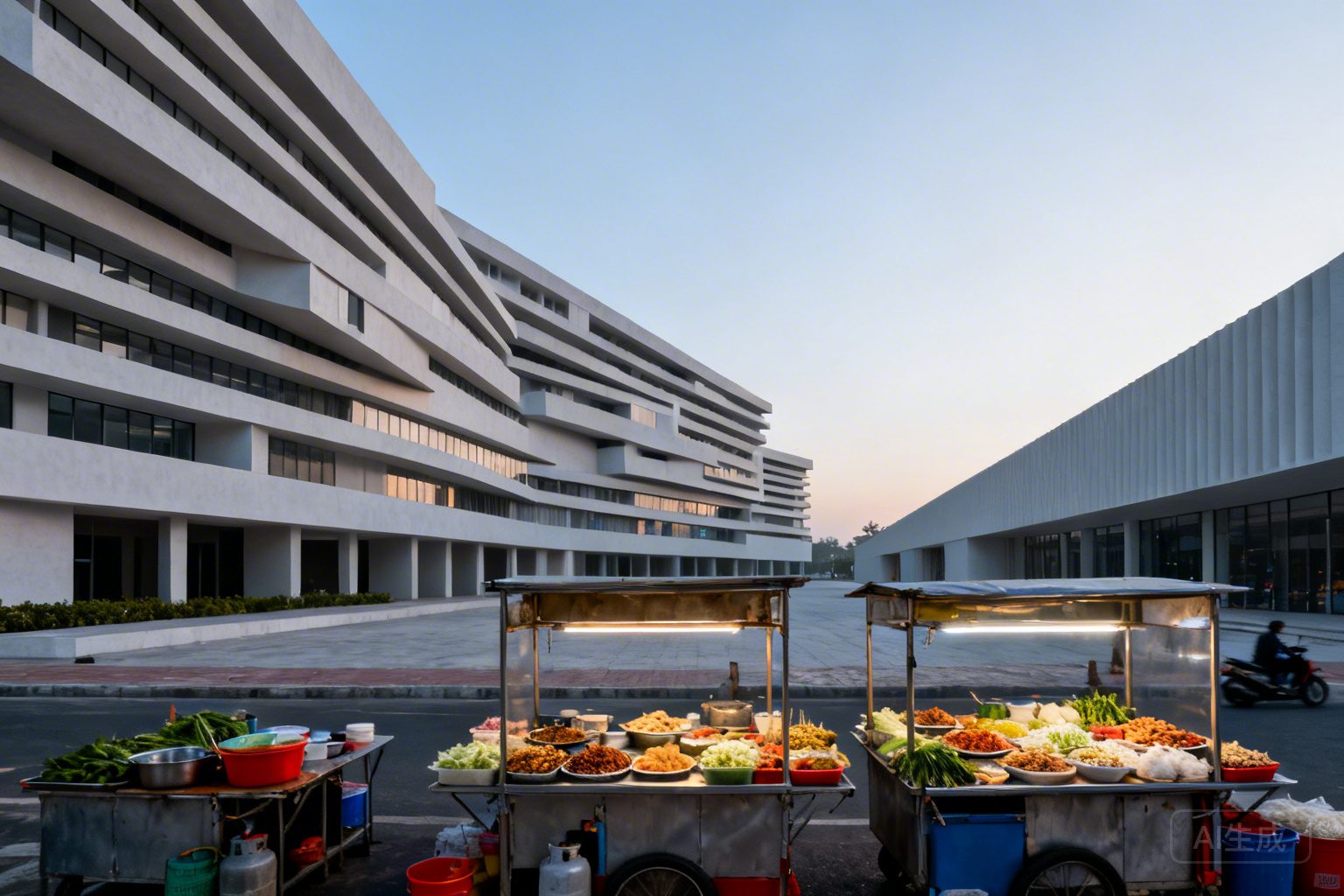
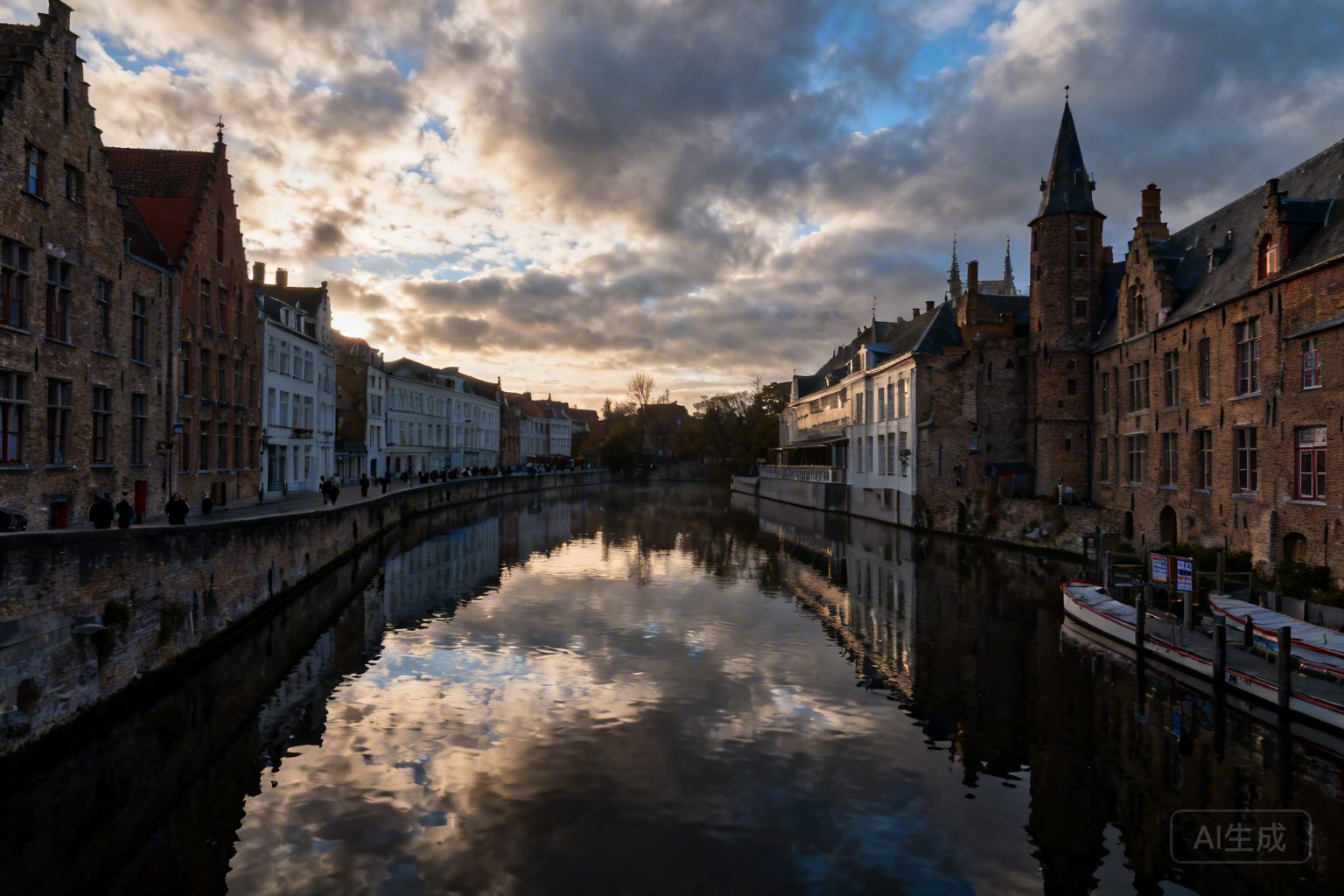
7 Underground Spots in Panama City That Define the City’s Cool Factor!
The Hum of the Isthmus: A Descent into the Panamanian Soul
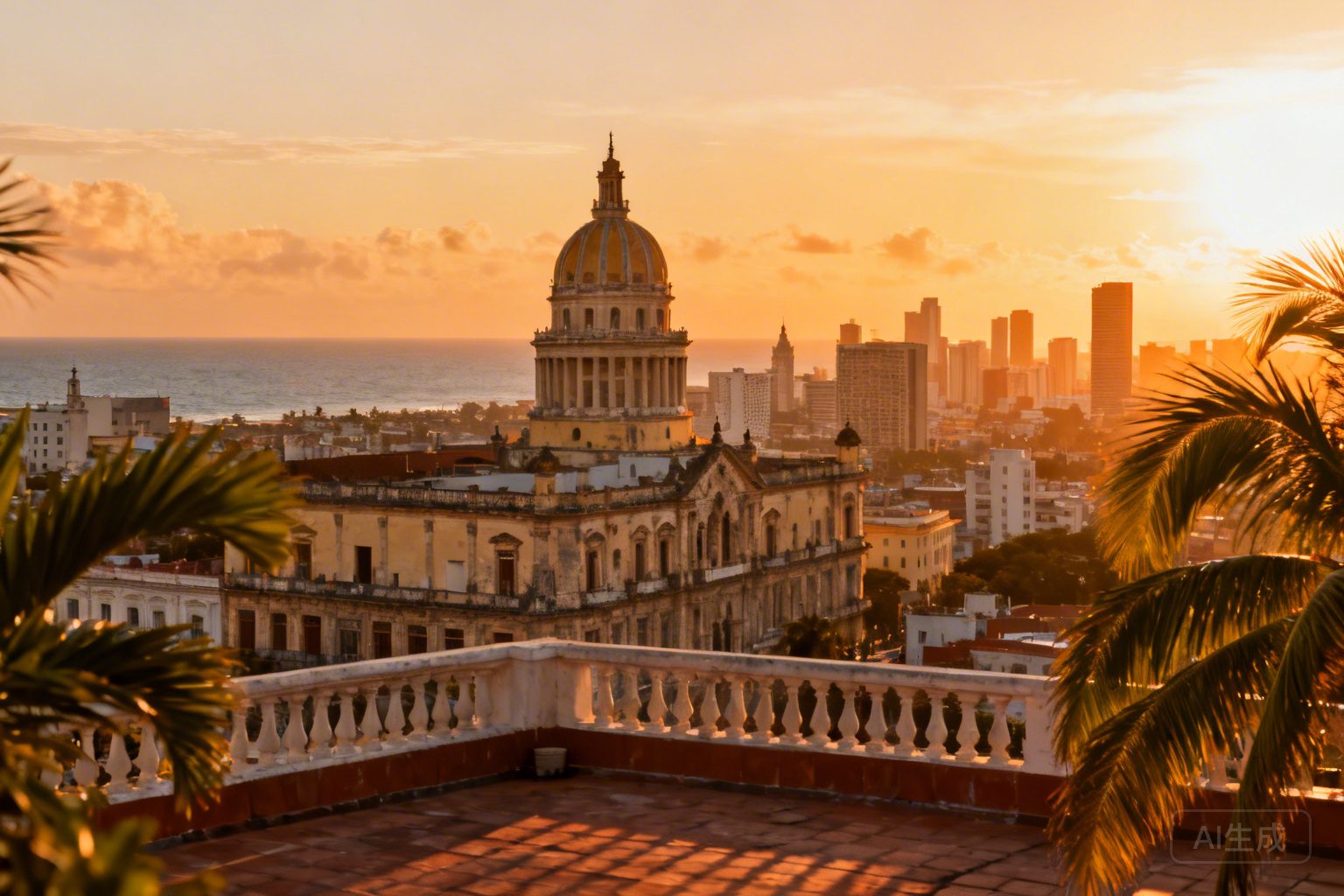
The humidity in Panama City isn’t just weather; it is a physical weight, a damp wool blanket thrown over the shoulders of the skyscrapers that crowd the Pacific shoreline. It smells of brine, diesel, and the sweet, rotting perfume of overripe mangoes melting into the sidewalk. To the uninitiated, the city is a glass-and-steel mirage—the “Dubai of the Americas”—where the skyline juts upward in a frantic, vertical race to outrun the jungle. But the true frequency of this city isn’t found in the air-conditioned malls or the sterile lobbies of the banking district. It is found in the cracks of the concrete, in the salt-eaten alleys of Casco Viejo, and in the subterranean pulse of a metropolis that never quite sleeps, even when the tropical rain turns the streets into rivers.
I stood at the corner of Calle 5a Este, watching a frantic office worker in a charcoal suit—blasphemous for this heat—wring his hands while waiting for a taxi that would never come. His forehead was a map of stress, sweat carving rivulets through his expensive foundation. Beside him, leaning against a door with peeling turquoise paint that looked like dried reptile skin, was an old man selling lottery tickets. He didn’t move. He didn’t blink. He was a statue of patience, a human gargoyle witnessing the frantic erosion of time. This is the duality of Panama. To find the “cool,” you must ignore the glass and look for the rust.
1. The Velvet Shadow of La Mula Terca
In the belly of Casco Viejo, far beneath the renovated boutique hotels where tourists sip $18 cocktails, lies a space that feels like a shared secret. La Mula Terca isn’t just a bar; it’s a sensory hallucination. You descend a flight of stone stairs where the air temperature drops ten degrees, replaced by the scent of cold lime and damp limestone. The walls are 17th-century masonry, rough to the touch, the mortar crumbling under your fingernails like ancient sand.
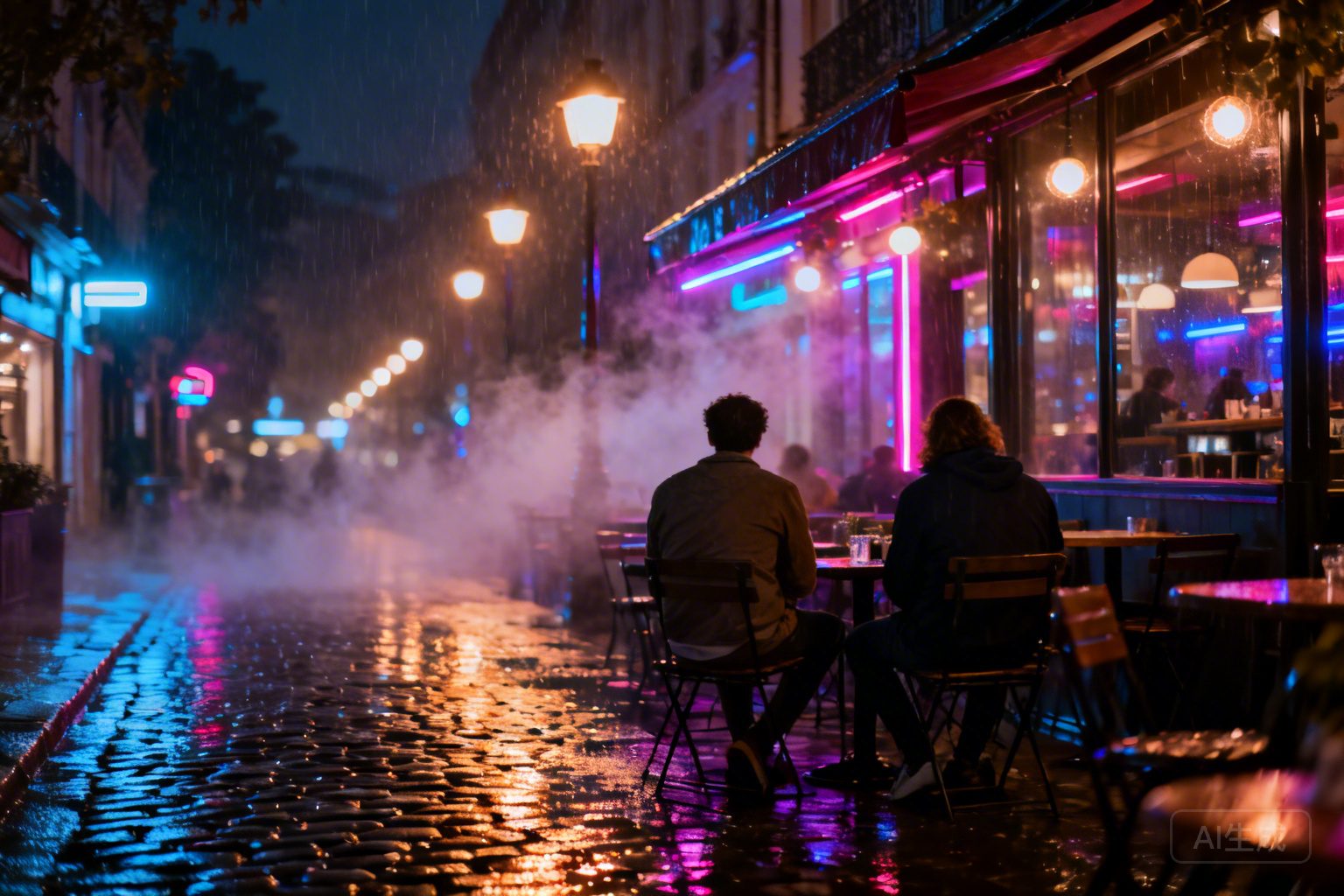
The lighting is a bruised purple, casting long, cinematic shadows across the faces of the patrons. Here, you find the city’s poets and architects, their voices low, competing with the rhythmic thump of deep-house remixes of 1970s salsa. I watched a brusque waiter, a man with a silver hoop in his ear and a permanent scowl of competence, slide a drink across the zinc bar. No coaster. No flourish. Just the sharp clack of glass on metal. The drink, a concoction of seco and fermented pineapple, tasted like the sun going down over the Darién Gap—primal, sweet, and dangerous. In this underground cavern, the history of the city feels compressed, as if the weight of the Spanish colonial empire is pressing down on the ceiling, keeping the party intimate and urgent.