7 Underground Spots in Quebec City That Define the City’s Cool Factor!
The Granite Heart of the North: A Descent into the Quebecois Soul
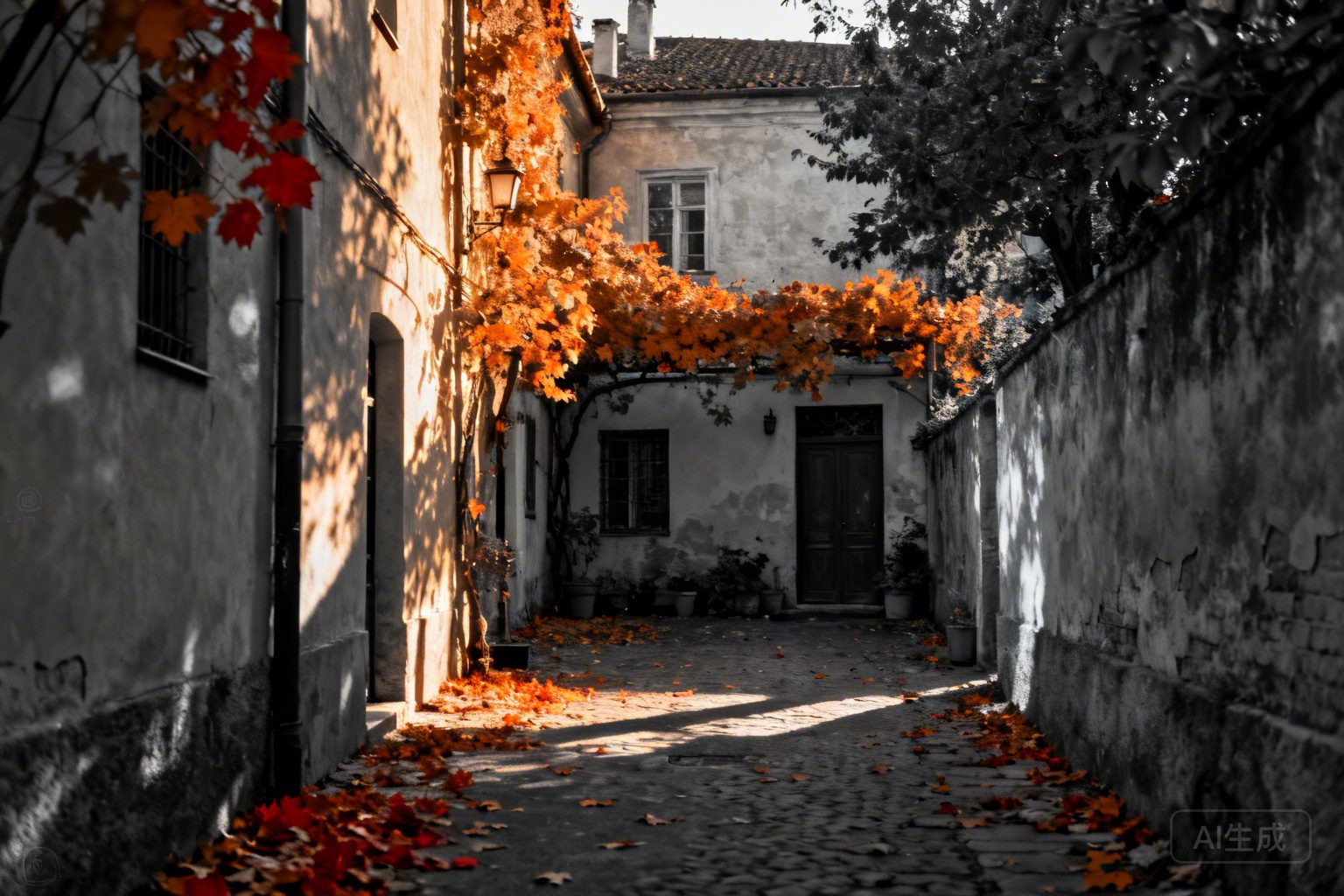
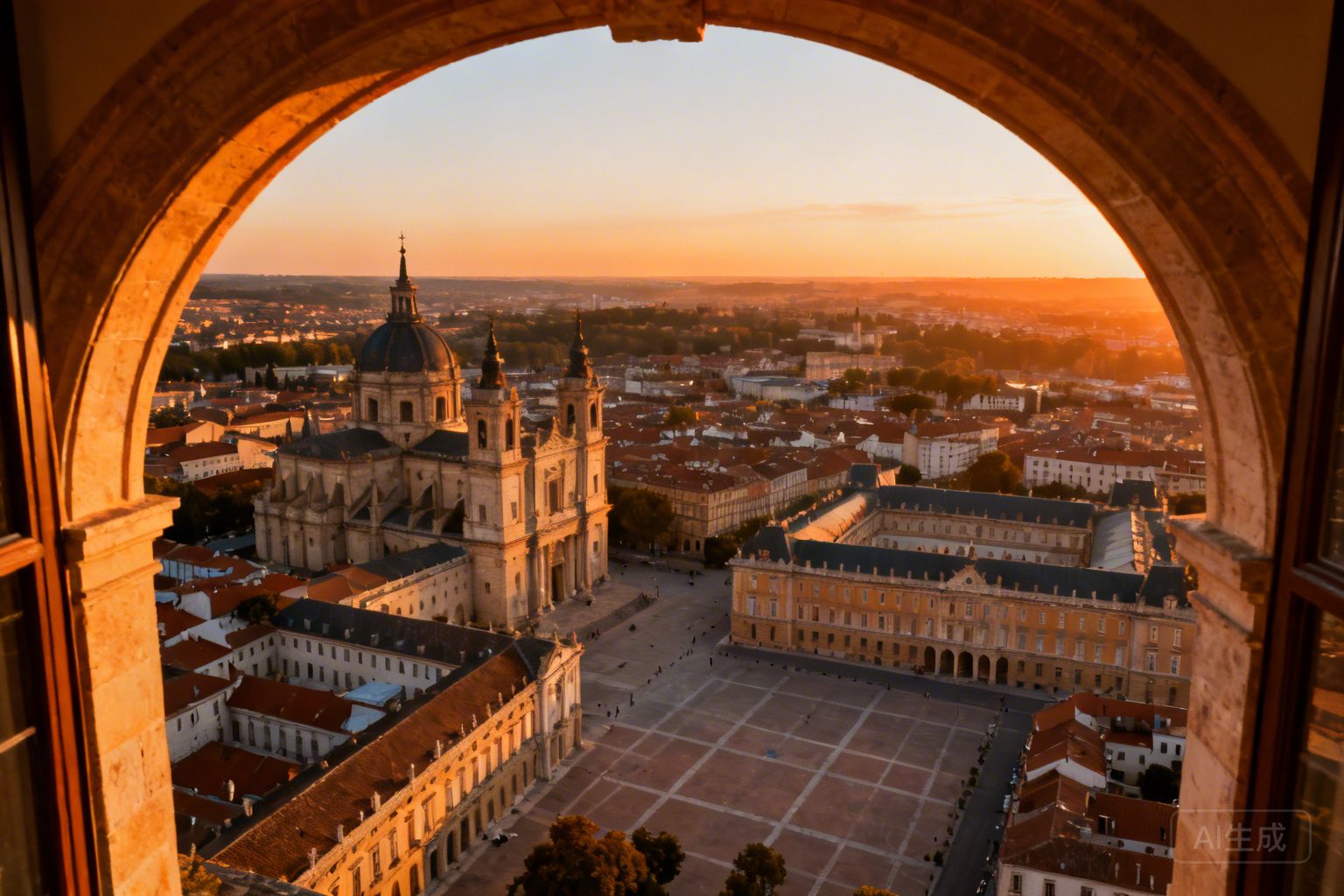
The wind in Quebec City does not merely blow; it interrogates. It catches the corner of Rue Saint-Jean with a sharp, metallic whistle, smelling of woodsmoke and the icy, mineral breath of the Saint Lawrence River. To the casual observer, the city is a postcard of New France nostalgia—frowning stone ramparts, the green-patinaed towers of the Château Frontenac, and the practiced charm of horse-drawn carriages. But that is the skin. Underneath the cobblestones, beneath the layers of wool and history, lies a city that vibrates with a quiet, subterranean defiance. It is a city of cellars, hidden courtyards, and neon-lit refuges where the modern Quebecois identity is being forged out of stone and shadow.
I stand at the edge of the Upper Town, my boots clicking against the uneven pavement. A frantic office worker, his tie loosened like a noose and his eyes fixed on a glowing smartphone, pushes past me, smelling of stale espresso and damp wool. He is a ghost in a suit, haunting the battlements. To find the true “cool” of this fortified capital, one must look where the light doesn’t reach. One must descend.
1. Le Pape-Georges: The Limestone Vault of the Petit-Champlain
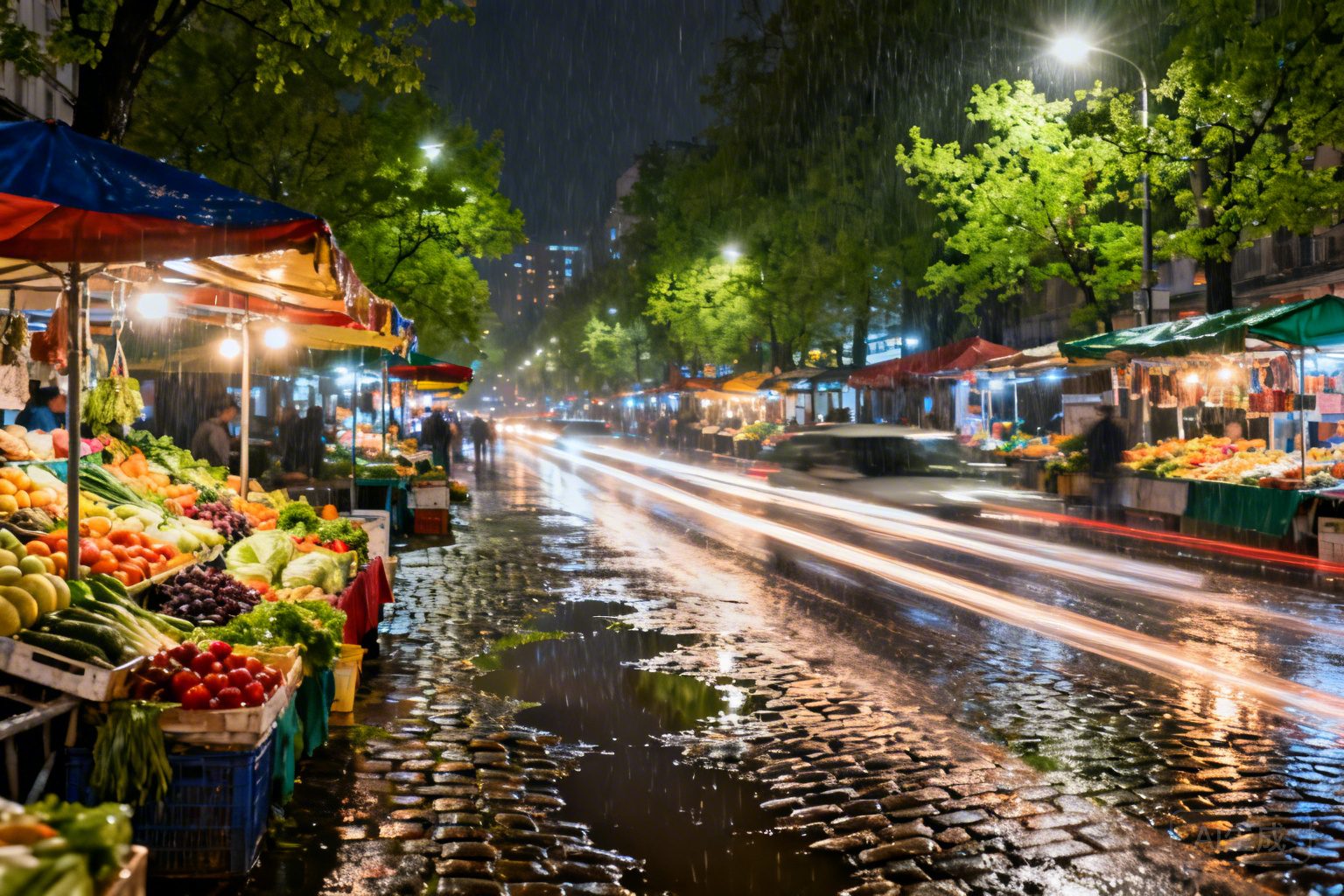
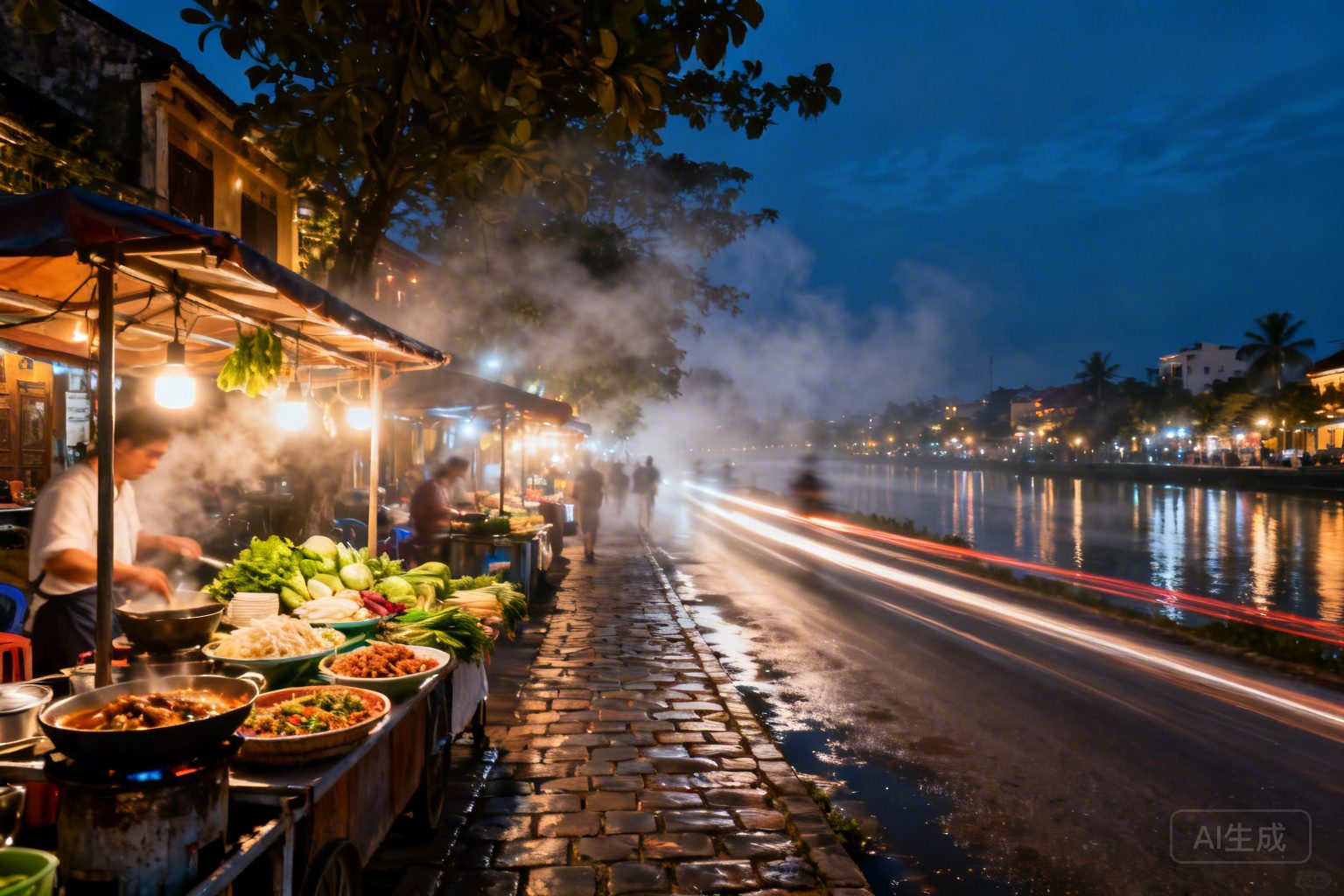
Lower Town is a labyrinth of sensory overload. The pitch of the street vendors here is a melodic French-Canadian patois, a series of rising inflections that sound like birdsong punctuated by the heavy “thrum” of the funicular sliding down its track. I duck into a door that looks like it belongs to a medieval dungeon. This is Le Pape-Georges.
The air inside is thick, heavy with the scent of fermented hops and the damp, earthy perfume of three-hundred-year-old limestone. The walls are not merely walls; they are the literal foundation of the city, weeping condensation that glitters like diamonds in the amber candlelight. Here, the “underground” is literal. I watch a brusque waiter—a man with hands like shovels and a beard that seems woven from steel wool—pour a local cider with the clinical precision of a chemist. He doesn’t smile. In Quebec, silence is often a form of hospitality. You are allowed to exist here without the burden of being a “guest.”